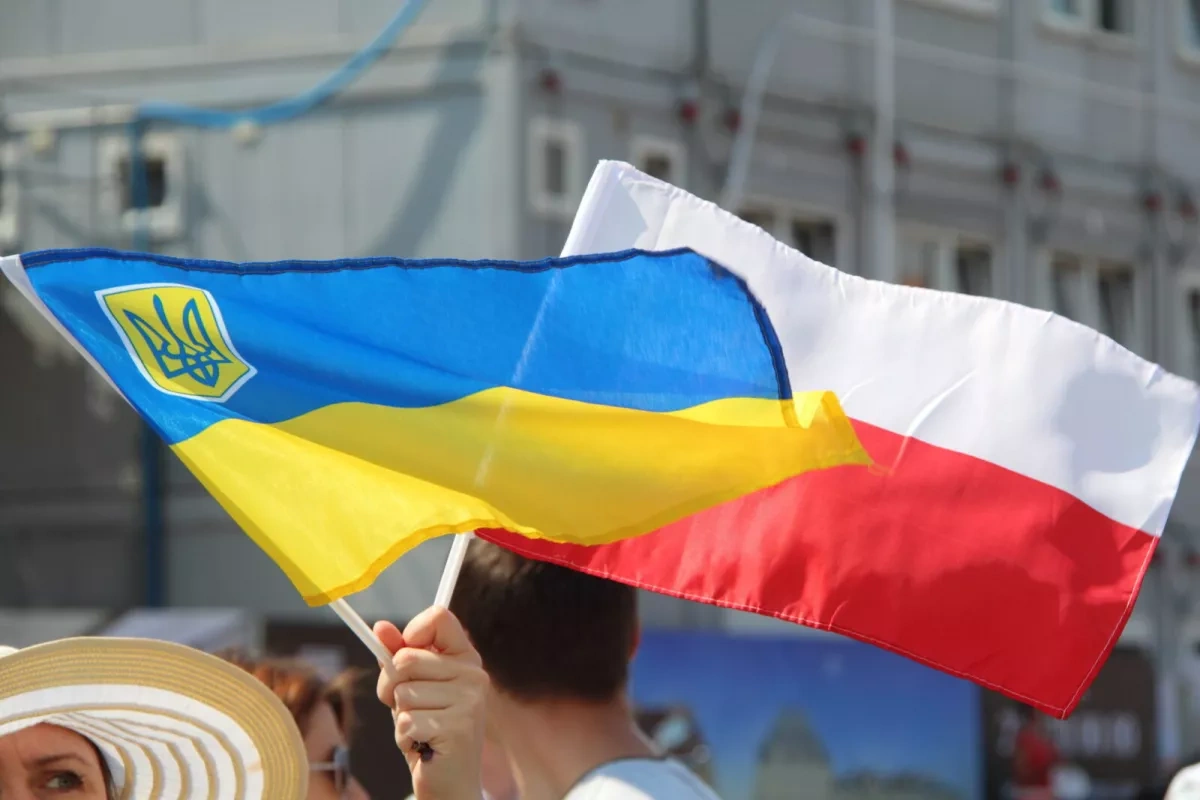
Poland’s once-strong solidarity with Ukrainians fleeing Russia’s full-scale invasion has given way to growing resentment, threatening to damage relations between the two neighbours and complicate wider European support for Kyiv, The Guardian writes.
When Russia launched its invasion in 2022, millions of Ukrainians sought refuge in Poland, where ordinary people opened their homes, and the government provided substantial political, financial and military backing to Ukraine. Warsaw emerged as one of Kyiv’s strongest advocates in Europe.
That relationship has since deteriorated sharply. A recent CBOS poll found that 52% of Poles oppose accepting Ukrainian refugees, while support for continued assistance to Kyiv has also weakened, particularly among rightwing voters concerned that military aid could reduce Poland’s ability to defend itself.
Historical disputes have added to the tensions. Relations worsened after Ukrainian President Volodymyr Zelenskyy named a military unit after the Ukrainian Insurgent Army, part of which was responsible for the massacre of about 100,000 Poles in 1943. Poland’s President Karol Nawrocki subsequently revoked Zelenskyy’s Order of the White Eagle, the country’s highest honour for foreign nationals. Both sides have since taken further steps that have strained diplomatic ties.
At the same time, anti-Ukrainian sentiment has increasingly appeared in Polish society. Russian disinformation portraying Ukrainians as undeserving welfare recipients has helped fuel resentment, while incidents of verbal and physical abuse have been reported. One particularly serious case occurred in Wrocław in July, when a Ukrainian couple was reportedly attacked outside a shop.
The deterioration, however, goes beyond historical grievances or Russian propaganda. Poland, according to the analysis, failed to anticipate how Ukrainian refugees would integrate into Polish society. Many moved from temporary accommodation into rented or purchased homes, established businesses and became economically independent. Rather than remaining passive recipients of Polish assistance, they increasingly became competitors in the labour and business markets.
Ukraine itself has also changed. No longer simply a recipient of Western aid, it has developed significant military expertise and technology while pursuing its own economic and political interests. Ukrainian leaders increasingly expect to engage with European governments as equals rather than through an intermediary in Warsaw.
The changing relationship offers a warning for the rest of Europe. As Ukraine moves closer to European institutions and its citizens become more integrated into European economies, tensions over competition, identity and political influence may spread beyond Poland.
The central lesson is that solidarity based solely on wartime compassion was unlikely to last. Without preparing societies for a future in which Ukrainians are neighbours, entrepreneurs and political partners with their own interests, the initial goodwill risks being replaced by resentment — with consequences that could extend far beyond Poland and Ukraine.
By Aghakazim Guliyev