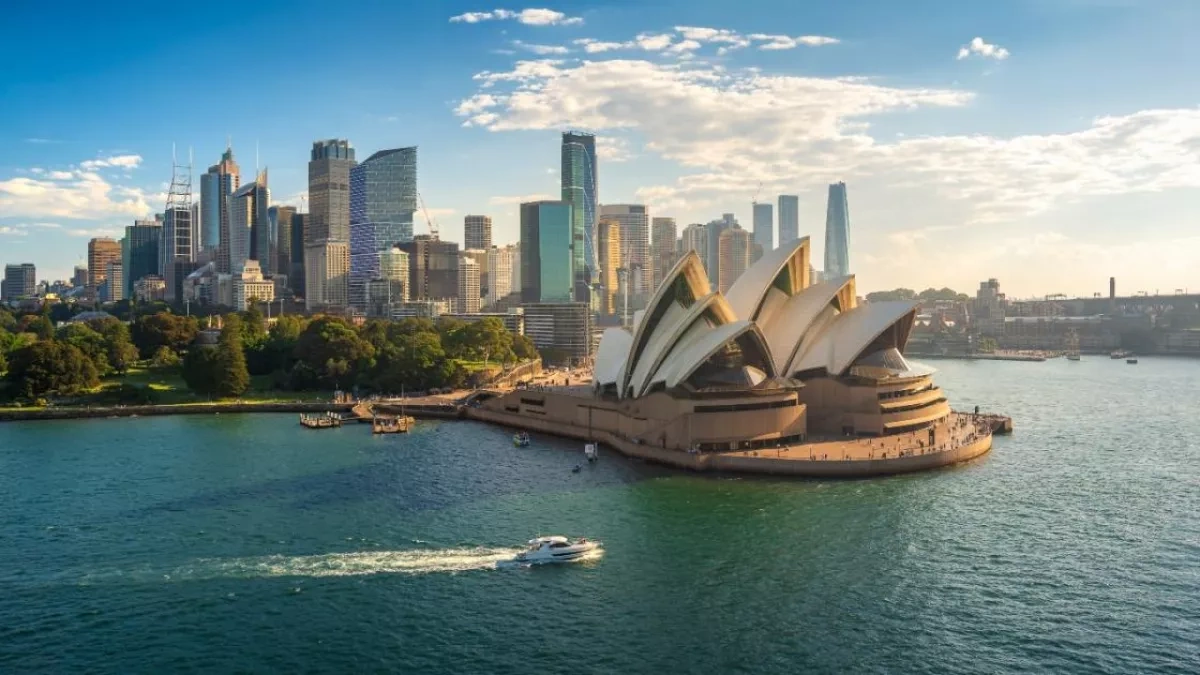
Scientists have conducted what they describe as the first comprehensive assessment of which countries would be best positioned to withstand major global crises, with Australia emerging as the world's most resilient nation.
The study, published in the journal Global Challenges, examined how countries could cope with three broad categories of threats.
As Caliber.Az reports on this research, they include the following scenarios:
1. a dramatic reduction in sunlight, such as that caused by major volcanic eruptions or a “nuclear winter”
2. widespread infrastructure failure resulting from events such as pandemics or cyberattacks
3. large-scale biological threats
Researchers assessed each country's ability to maintain its population, production systems and government functions under such extreme conditions.
Australia ranked first, with the researchers attributing its resilience to a combination of factors including its geographic isolation, developed industrial base, substantial food production, fuel reserves and stable democratic institutions. Together, these characteristics provide “significant protection from a range of risks,” according to the study.
New Zealand, Japan, Switzerland and Argentina also ranked among the countries considered best equipped to withstand major global disruptions.
However, even the most resilient countries face significant vulnerabilities. As the article notes, Australia, for example, remains dependent on imports of fuel, medicines and fertilizers, meaning that its geographic isolation could also become a liability if global supply chains were severely disrupted.
Study leader Florian Jehn, an ecologist at the University of Hagen (Germany), said that countries with strong resilience could become “anchor points” for the recovery of the wider world following a catastrophe. Among other measures, they could preserve food supplies and seed banks that would help societies rebuild after a major crisis.
The researchers stressed that the purpose of the study was not to alarm the public, but to help governments identify vulnerabilities and prepare for rare but potentially devastating events before they occur.
The findings could also help policymakers determine which essential supplies and infrastructure need to be protected or maintained to ensure countries remain capable of functioning during prolonged global disruptions.
By Nazrin Sadigova