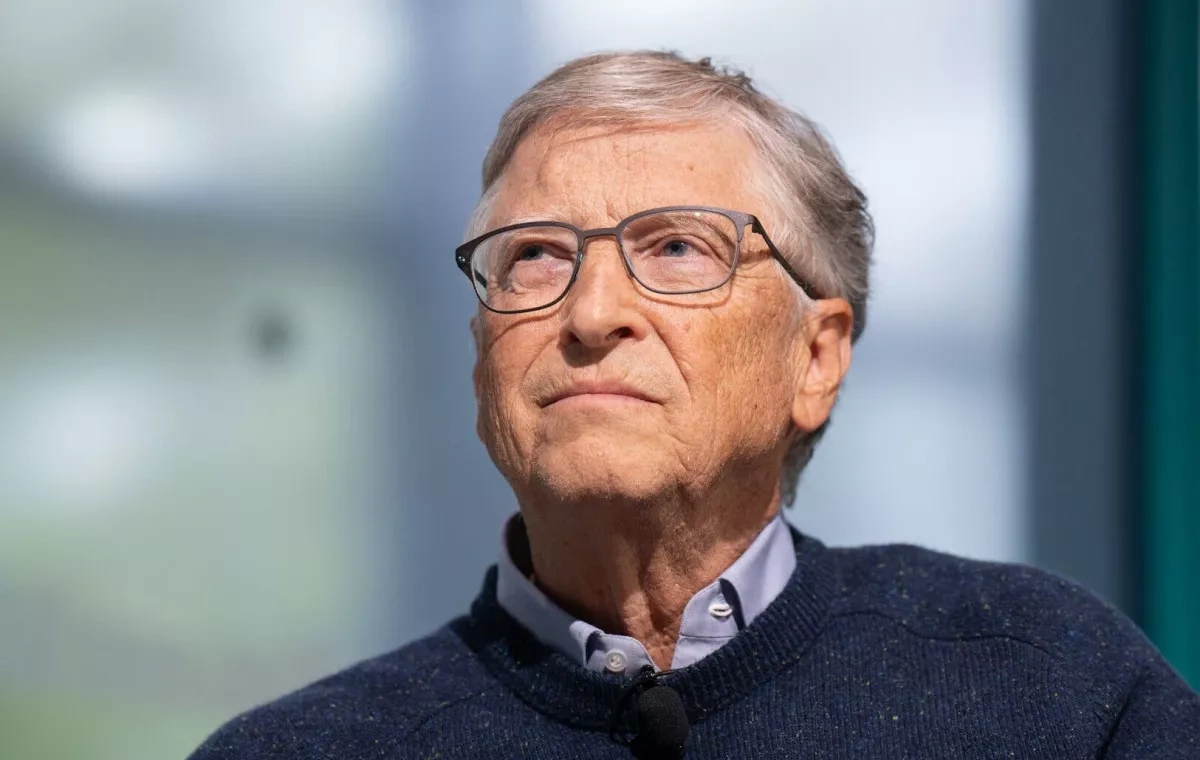
Bill Gates is seeking a meeting with Chinese President Xi Jinping later this year to propose international efforts to mitigate the growing risks posed by artificial intelligence, arguing that China could support restrictions on potentially dangerous AI models if the United States took the lead.
The Microsoft co-founder and billionaire philanthropist told Reuters in an interview that he believes China might agree to restrictions on the release of potentially dangerous AI models if Washington acted first.
“The whole world would go along with that,” Gates said.
Gates, who met Xi three years ago, was the first foreign entrepreneur to be hosted by the Chinese president after the pandemic. His staff are working to finalise a meeting with Xi during Gates' next trip to China, tentatively scheduled for November, his spokesperson said.
Gates also wants to propose that countries monitor AI systems for their ability to create molecules and facilitate biological attacks, arguing that such oversight would not impede technological development.
President Xi “might be surprised by how vehement I am,” Gates said. He noted that China was taking steps to protect children from addiction to AI companions, but argued that few world leaders were responding adequately to the growing range of potential harms associated with the technology.
“Yes, in the past, technology never did this. This time is different. This is like an evolutionary milestone that needs incredible policy management by society as a whole.”
Gates struck a more optimistic tone about AI in January, but has since grown increasingly concerned about its ability to conduct attacks while displacing workers and creating psychological dependencies among users.
Technology developed by OpenAI, Anthropic and Meta Platforms recently hacked real-world websites during what were intended to be isolated cybersecurity evaluations.
“These security incidents are shocking, and they should blow people's minds,” Gates said.
In a blog post on Wednesday, Gates called for the creation of a new international organization to oversee AI, drawing on elements of the international nuclear inspections regime, international aviation regulations and agreements protecting the ozone layer.
The administration of U.S. President Donald Trump has so far exercised some control over the distribution of powerful AI models, including Anthropic’s Fable 5, while a greater share of AI regulation has taken place at the state level.
Many technology leaders have highlighted the benefits of AI, including Meta CEO Mark Zuckerberg, while others have warned about its potential dangers. Demis Hassabis, chair of Google DeepMind, has proposed an organization modeled on the Financial Industry Regulatory Authority, or FINRA, that could develop and conduct tests of AI systems with implications for national security.
Gates agrees that the United States should take the lead but argues that Washington first needs to establish clear criteria for determining when and what action should be taken.
“You can use a FINRA-type model, but it's a silly conversation,” Gates said. “It’s like saying, ‘Should we meet to discuss taxation at this restaurant or this restaurant?’”
In his blog post, Gates described ensuring that the future of AI does not exacerbate inequality or harm vulnerable people as the “world’s top priority,” placing it ahead of climate change and health crises.
As he pursues a series of high-profile engagements, Gates also told Reuters that he plans to meet UK Prime Minister Andy Burnham this autumn.
In February, Gates cancelled an appearance in India after the United States released files related to convicted sex offender Jeffrey Epstein. Gates has said he did not realize the extent of Epstein's crimes while associating with him through philanthropic activities.
The Bill & Melinda Gates Foundation is aiming to spend $200 billion by 2045, with an increasing focus on AI. Gates said the foundation is working with Anthropic on AI-powered pregnancy health checks and with OpenAI on tools to assist healthcare workers in Rwanda.
He also plans to speak with personnel at Anthropic and OpenAI, both of which are preparing major initial public offerings, about impactful philanthropy, he said.
Gates is also considering ways to address the social upheaval that could result from AI-driven changes to the labor market. One proposal he has discussed is taxing revenue generated by companies that use “tokens” or AI outputs to replace human labor, with the proceeds potentially used to finance a social safety net.
He also said society should preserve up to 40% of current jobs for human workers. In his blog post, Gates pointed to the care his father received while suffering from Alzheimer's disease as an example of work that was “irreplaceably human.”
Gates said protests by communities opposed to data centers were overlooking a potentially much larger problem: the impact AI could have on employment.
“Wait until you really screw up the job market," he said.
By Tamilla Hasanova