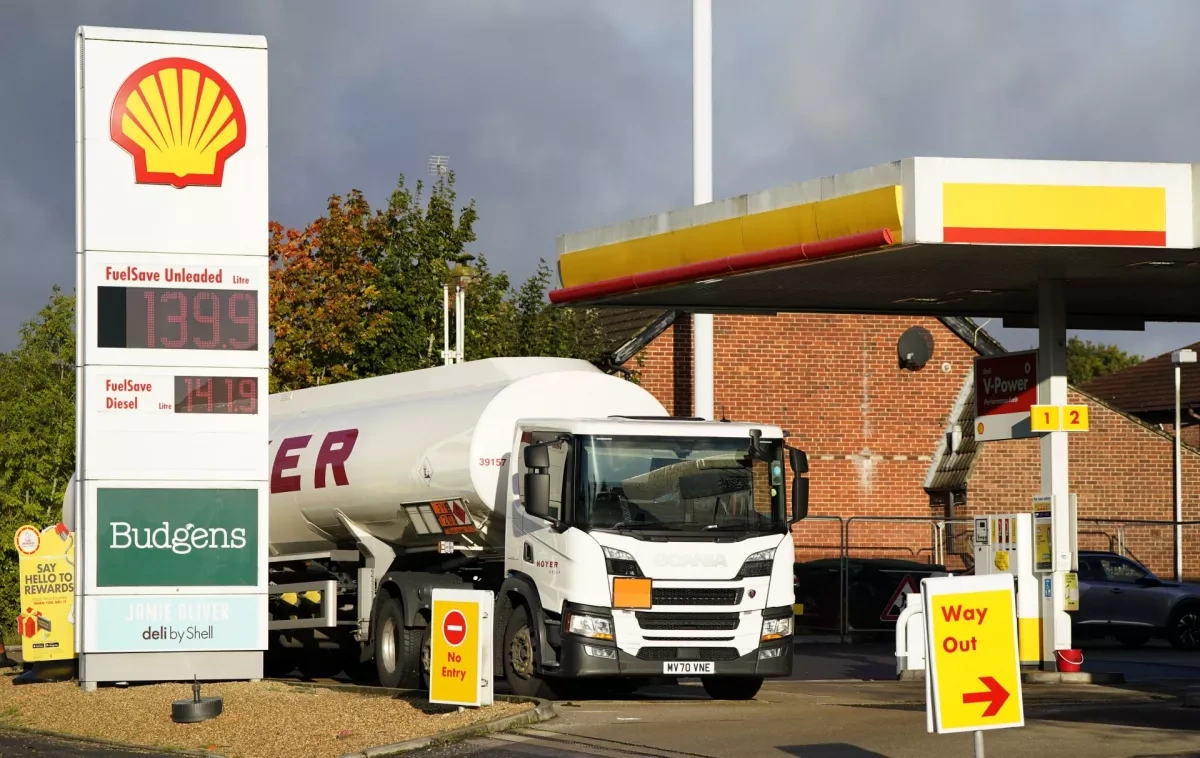
Oil giant Shell has reported a sharp increase in quarterly net profits, with higher energy prices and heightened market volatility during the conflict in the Middle East helping the oil major more than double its earnings compared with a year earlier.
The multinational energy company posted a net profit of $9.84 billion for the April-to-June period, up from $4.26 billion in the same quarter last year, as reported by financial news outlets.
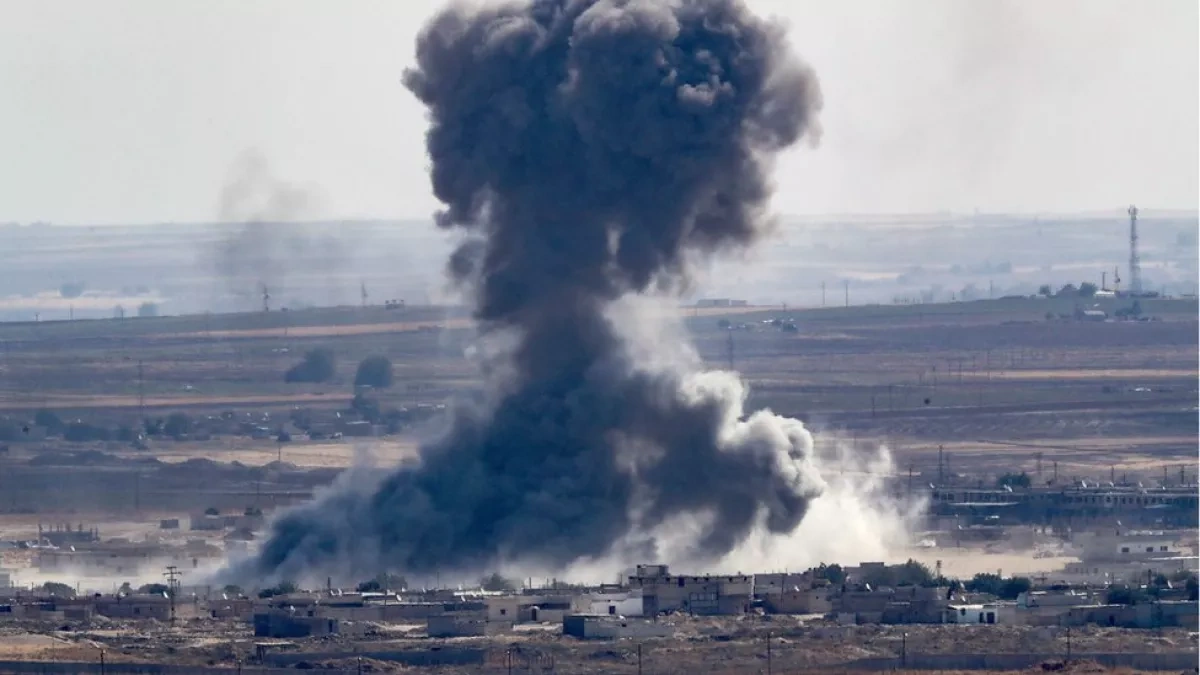
Crude oil prices have risen since the outbreak of the US-Israeli conflict with Iran, as disruptions to global oil and liquefied natural gas (LNG) supplies through the Strait of Hormuz tightened energy markets.
At the same time, sharp price fluctuations throughout the conflict created favourable conditions for Shell's global trading operations, which benefited from increased market volatility.
Shell Chief Executive Wael Sawan said the company's "operational performance enabled very strong results during another quarter of severe disruption in global energy markets".
Combined with first-quarter profits of $6.92 billion, Shell's earnings for the first half of the year increased by around 70%.
The market disruption triggered by the US-Israeli conflict with Iran has also created opportunities for the extensive trading businesses operated by major European energy companies, including BP, TotalEnergies and Norway's Equinor.
Shell said its refineries operated at 102% of their nameplate capacity during the quarter to capitalise on elevated fuel prices. According to a company spokesperson, this helped increase jet fuel production by around 20% compared with the same period last year.
Investors reacted positively to the results, with Shell shares rising 0.8% following the earnings announcement, outperforming a broadly flat European energy sector.
Before the conflict began, Brent crude—the global oil benchmark—was trading at around $73 per barrel.
Since then, prices have climbed above $120 per barrel before retreating below $100, as markets reacted to uncertainty over when shipping through the Strait of Hormuz might fully resume.
Large price swings typically create wider spreads between buying and selling prices, allowing commodity traders to generate higher profits.
Reaping benefits despite difficulties
Despite the strong financial performance, the conflict has also disrupted parts of Shell's operations in the Middle East.
The company's LNG production in Qatar has remained suspended since early March because of the conflict, while its Pearl gas-to-liquids facility suffered "extensive damage" after being struck by a missile in March. Shell has said repairs to the facility are expected to take around a year.
As a result, Shell's gas production declined to 631,000 barrels of oil equivalent per day during the April-to-June quarter, down from 909,000 barrels per day in the first quarter.
Overall, the company's combined oil and gas production during the first half of the year fell by 16% compared with the same period in 2025. However, Shell said new oil production from projects in Brazil and the Gulf of Mexico helped partially offset the decline.
By Nazrin Sadigova