On July 29, Azerbaijan's Ministry of Energy said that the country's liberated territories are now meeting all of their electricity demand through renewable energy sources, marking a key milestone in the government's strategy to transform Karabakh and East Zangezur into a green energy zone.
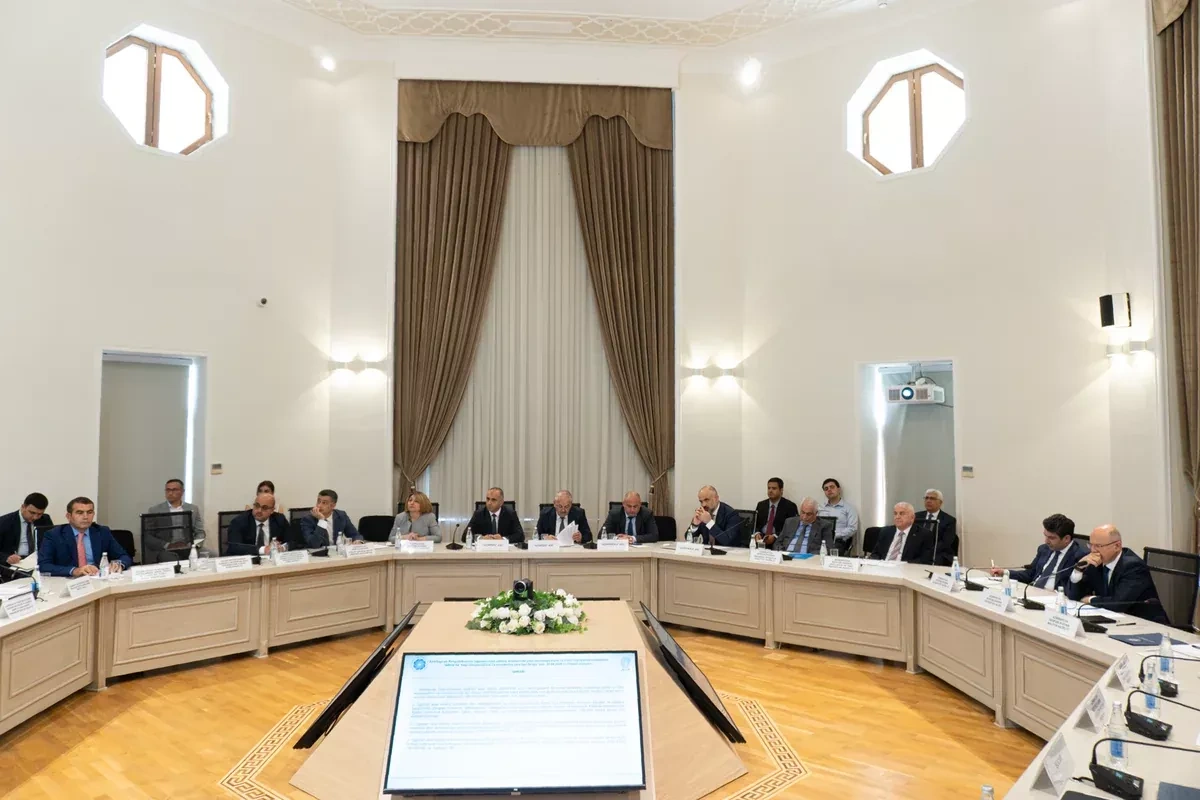
The announcement was made during the 13th meeting of the Working Group on the Coordination and Monitoring of Green Technology and Energy Efficiency in the liberated territories.
According to the ministry, more than 2,500 homes, public buildings and social facilities have been equipped with solar panels with a combined installed capacity of more than 8,000 kilowatts. More than 8,000 LED lighting units have also been installed, including around 3,500 hybrid systems powered by solar energy.
Energy Minister Parviz Shahbazov said the development of Karabakh and East Zangezur based on green technologies and energy-efficient solutions had become a model for sustainable reconstruction, citing monitoring results presented at the meeting.
Javid Abdullayev, director of the State Agency for Renewable Energy Sources, outlined progress on several renewable energy projects. These include the construction of solar power plants in Jabrayil, private-sector plans to build four small solar power stations in the Kalbajar and Lachin districts, and preparatory measurement and monitoring work for a planned wind power project in Kalbajar.
Abdullayev said renewable energy generation now fully covers electricity demand across the liberated territories, with excess power being supplied to Azerbaijan's national electricity grid.
The working group also reviewed reports on the implementation of green technologies and energy-efficiency measures in Aghdam, several villages in the Khojavand district, and the settlements of Girmizi Bazar and Hadrut. Officials also discussed the registration of residents as active electricity consumers in villages across the Jabrayil and Aghdam districts.
The meeting concluded with discussions on heating systems for residential complexes, with participants approving a series of measures to support the continued rollout of sustainable energy solutions in the region.
By Aghakazim Guliyev