BAKU, Azerbaijan, July 28. Turkmenistan and the
European Bank for Reconstruction and Development (EBRD) have
discussed prospective projects supporting the Trans-Caspian
Transport Corridor.
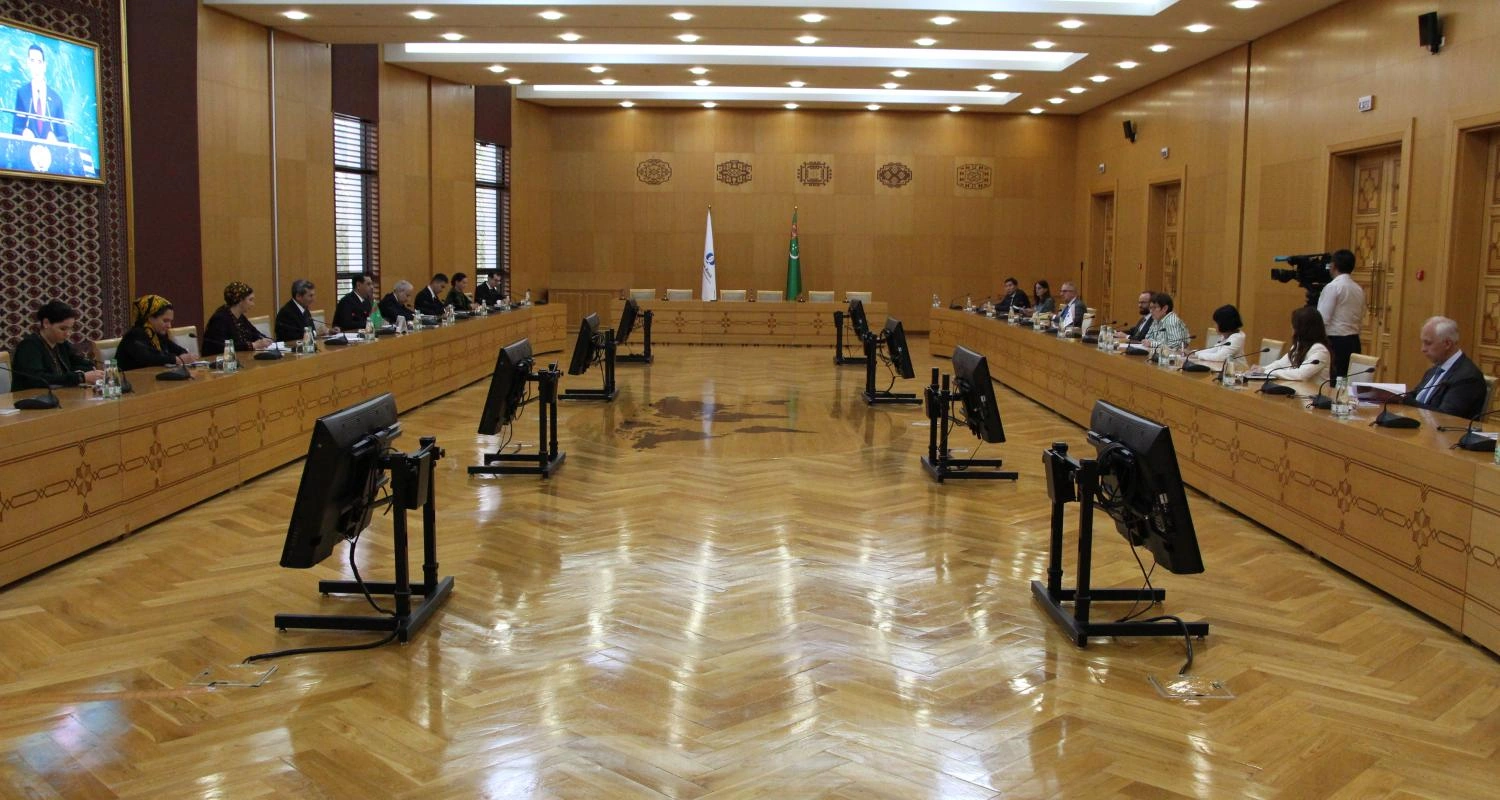
The discussions took place during a meeting between Turkmen
Foreign Minister Rashid Meredov and EBRD President Odile
Renaud-Basso, according to a press release issued by Turkmenistan's
Ministry of Foreign Affairs.
"The sides reviewed prospective projects for the development of
transport and logistics infrastructure and the promotion of
regional transport corridors, including the Trans-Caspian
Corridor," the ministry said in the press release.
According to the ministry, the parties also noted the steady
development of cooperation between Turkmenistan and the EBRD. The
bank reaffirmed its support for the country's economic
diversification agenda, including green energy, regional
connectivity, environmentally friendly technologies, and the
development of small and medium-sized enterprises.
Meredov highlighted Turkmenistan's commitment to advancing
economic reforms and attracting international expertise and
investment, expressing appreciation for the EBRD's contribution to
national and regional development programs.
For her part, Renaud-Basso welcomed Turkmenistan's socioeconomic
development and reaffirmed the EBRD's readiness to deepen
cooperation and participate in future institutional and
infrastructure projects.
For reference, the EBRD has been operating in Turkmenistan since
1992 and has invested about €321 million through 88 projects, with
all current operations focused on the private sector. The bank's
active portfolio in the country includes support for private
companies, trade finance and financial institutions, while its
strategy prioritizes SME development, logistics, transport services
and the attraction of foreign investment.
The EBRD has consistently positioned private-sector development
as the core objective of its engagement in Turkmenistan. The bank
supports local businesses through partner banks and direct
financing, while also promoting trade integration and investment
projects linked to regional transport corridors, including CAREC
and TRACECA routes.