BAKU, Azerbaijan, July 23. Uzbekistan and Saudi
Arabia discussed expanding cooperation in consular affairs, legal
matters and labor migration.
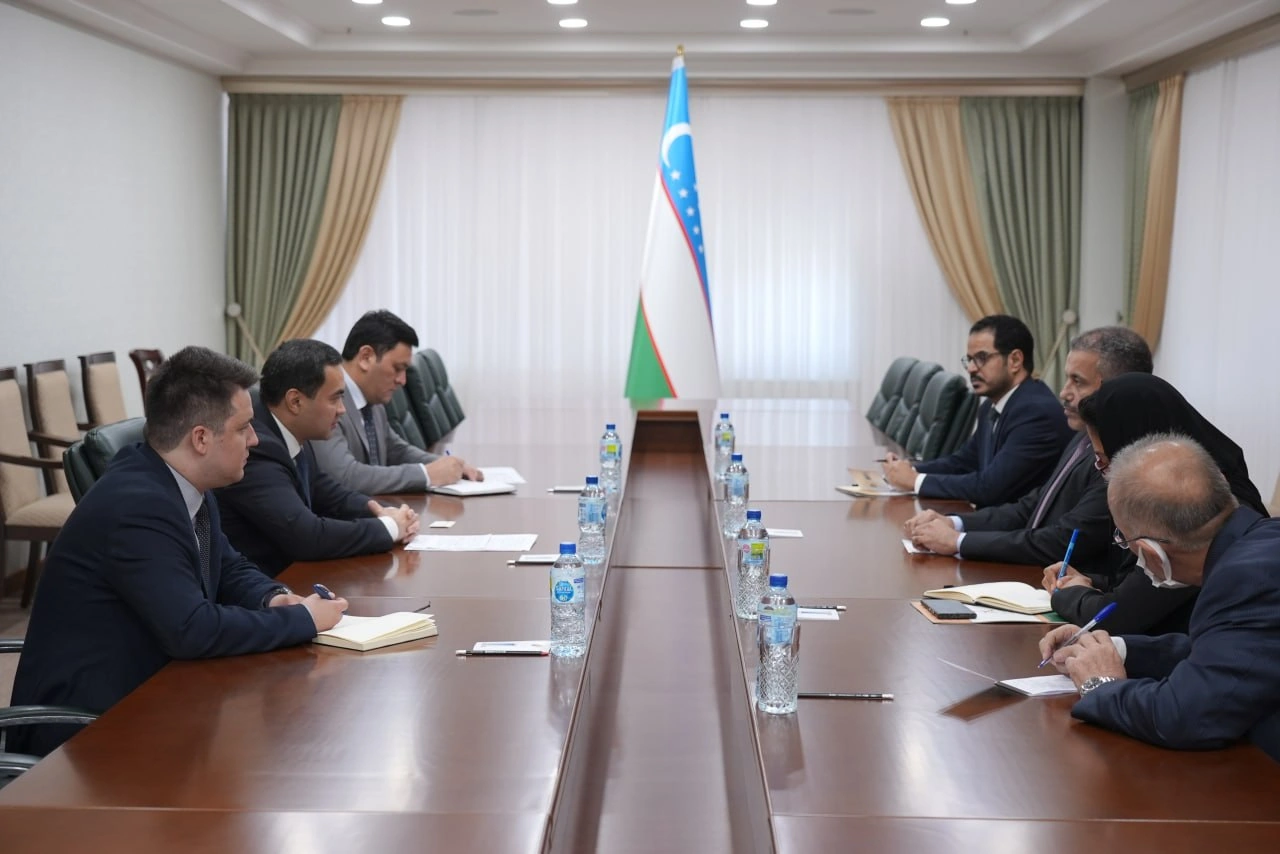
This was reflected in the statement by the Ministry of Foreign
Affairs of Uzbekistan following a meeting between Uzbekistan's
Deputy Foreign Minister Olimjon Abdullayev and Saudi Arabia's
Ambassador to Uzbekistan Saad Nasser Abdullah Abu Haimed.
The parties reviewed the current state of bilateral relations
and exchanged views on prospects for strengthening cooperation in
consular and legal affairs, creating more favorable conditions for
citizens and expanding practical collaboration in labor
migration.
"The sides emphasized their mutual interest in introducing
digital solutions, improving the efficiency of consular services
and further developing cooperation in the field of labor
migration," the ministry said in a statement.
The sides also discussed measures to enhance bilateral
engagement by streamlining consular procedures and improving
coordination between the two countries' relevant institutions. The
talks highlighted the importance of expanding cooperation in areas
that facilitate the movement of people and strengthen legal and
administrative support for citizens.
In addition, several initiatives aimed at deepening
Uzbekistan-Saudi Arabia relations across multiple sectors were
considered. They agreed to continue working on the proposals
through consultations involving the competent government agencies
of both countries.
The meeting concluded with both sides reaffirming their
commitment to the consistent development of mutually beneficial
cooperation and maintaining regular bilateral dialogue.
Saudi Arabia has become one of Uzbekistan's key partners in the
Middle East, with bilateral cooperation expanding in recent years
beyond trade and investment to include labor migration, tourism and
government services. Efforts to digitalize consular procedures and
strengthen legal cooperation are expected to facilitate closer
people-to-people ties and improve services for citizens of both
countries while supporting broader economic and institutional
cooperation.