BAKU, Azerbaijan, July 21. Kazakhstan plans to
expand vehicle production and introduce artificial
intelligence-based technologies at automotive manufacturing
facilities as part of its industrial development plans through
2028, the Kazakh government says.
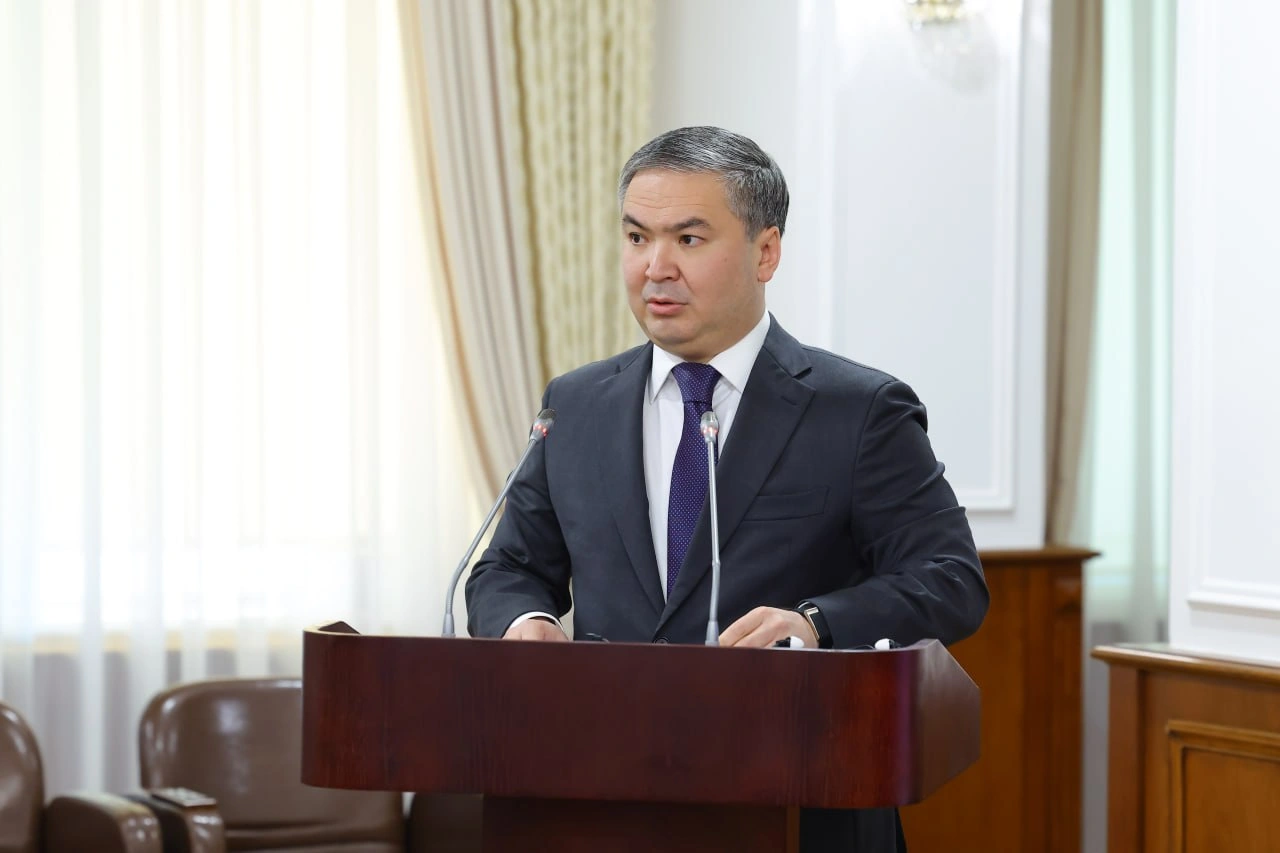
This was announced by the Minister of Industry and Construction
Ersaiyn Nagaspayev during a government meeting.
According to the minister, Kazakhstan’s automotive sector
currently includes 11 manufacturing facilities producing passenger
cars, buses, trucks and specialized vehicles.
The country’s production capacity has expanded with the launch
of two assembly plants — KIA Qazaqstan and Astana Motors
Manufacturing Kazakhstan. The total investment in these facilities
exceeds 346 billion tenge (approximately $735 million).
As part of the industrial development roadmap through 2028,
Kazakhstan plans to implement new projects in passenger and
commercial vehicle manufacturing. The initiatives follow agreements
reached during President Kassym-Jomart Tokayev’s recent state visit
to China.
"New projects to expand passenger and commercial vehicle
production are planned for 2028. Furthermore, a number of important
agreements were reached during the Head of State's state visit to
China. Specifically, plans include establishing production of Li
Auto, OMODA, and JAECOO vehicles, manufacturing SITRAK driverless
tractor units, and developing a high-speed charging station network
in partnership with BYD," Nagaspayev said.
The minister also said that the country is introducing digital
technologies at industrial facilities. An AI-based situational
center has been launched to monitor production processes and
analyze data from video surveillance systems, sensors and corporate
information networks.
The system is intended to support monitoring of industrial
facilities and identify potential operational risks. In addition,
Kazakhstan plans to cooperate with Chinese automaker BYD on the
development of electric vehicle charging infrastructure along major
transport routes to support the expansion of electric mobility.