BAKU, Azerbaijan, July 21. Turkmenistan
significantly increased production of liquefied petroleum gas and
several refined petroleum products in the first half of 2026.
This was reflected in a press release issued by the press
service of the Turkmen government following an expanded Cabinet
meeting chaired by President Serdar Berdimuhamedov. The figures
were presented by Chairman of the State Statistics Committee
Dovletgeldi Amanmuhammedov during his report.
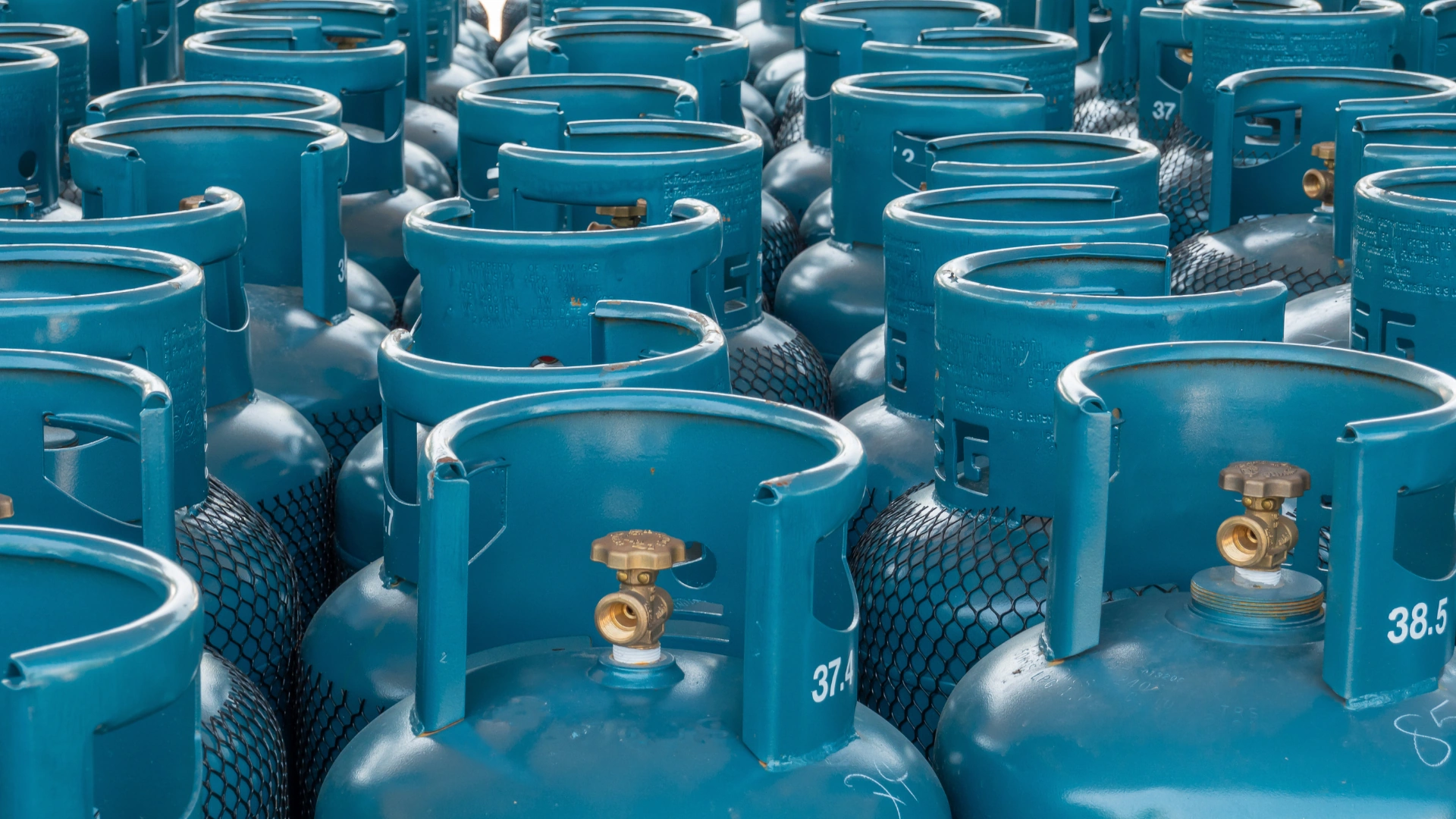
"Compared to the corresponding period of 2025, production of
diesel fuel increased by 0.7%, lubricating oils by 7.2%, petroleum
bitumen by 39.9%, and liquefied hydrocarbon gases by 64.5%," the
government said.
The growth in production of refined petroleum products reflects
Turkmenistan's continued focus on increasing value-added output
from its hydrocarbon sector. As domestic refining capacity expands
and export-oriented production rises, efficient access to foreign
markets is becoming an increasingly important factor for sustaining
the sector's long-term growth. This places greater emphasis on
regional transport and logistics corridors connecting Central Asia
with Europe, the Middle East, and other international
destinations.
Against this backdrop, the International Transport Forum (ITF)
shared its assessment of the region's evolving transport landscape
in an exclusive interview with Trend. The organization said the Middle Corridor, the
trade route linking China and Central Asia with Europe via the
Caspian Sea, the South Caucasus, and Türkiye, will continue to
retain its strategic importance for Eurasian connectivity even if
southern routes through Iran become more attractive following a
lasting normalization of relations between Washington and
Tehran.
"The Middle Corridor would nevertheless retain strategic value
as a diversified Asia–Europe route that avoids both Russia and
Iran. It will continue to benefit from strong political and
investment support for Eurasian connectivity," the organization
said.