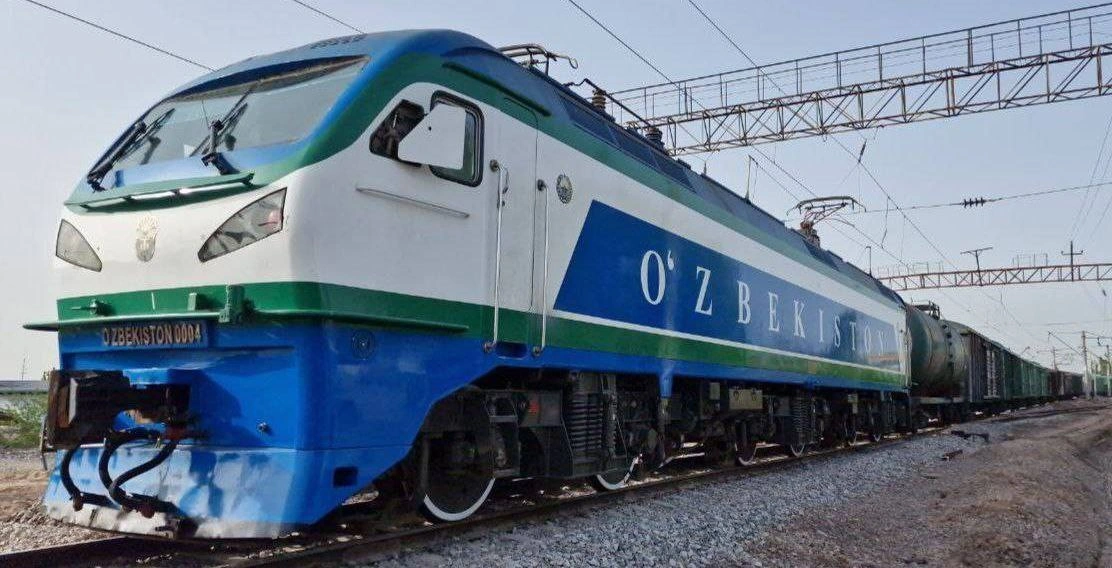
BAKU, Azerbaijan, July 3. Uzbekistan’s rail
network transported 28 million metric tons of freight during the
first quarter of 2026, up 4.3% from the same period a year
earlier.
This data was reflected in a statement by the National
Statistics Committee of Uzbekistan.
The increase highlights continued growth in freight
transportation across the country’s railway system, which remains a
key component of Uzbekistan’s logistics and trade
infrastructure.
Ore shipments accounted for the largest share of cargo volumes
at 3.9 million tons, followed by petroleum products at 3.4 million
tons and grain and milled grain products at 3.3 million tons.
Coal transportation reached 2.7 million tons during the
January-March period, while shipments of ferrous metals totaled 1.8
million tons. Construction materials accounted for 1.5 million tons
of freight.
Railways also transported 789,000 tons of chemical and mineral
fertilizers, 710,900 tons of cement, and 631,000 tons of timber
products.
Meanwhile, shipments of potatoes, vegetables and fruits amounted
to 266,100 tons.
Other categories of cargo collectively accounted for 8.9 million
tons of freight transported during the quarter.
The data underscores the continued importance of rail transport
in supporting industrial production, agriculture and domestic trade
across Uzbekistan.
Analysis
The 4.3% increase in rail freight volumes during the first
quarter of 2026 signals continued expansion in Uzbekistan’s
industrial and trade activity, as railways remain the backbone of
bulk cargo transportation across the country. The growth comes amid
ongoing efforts to strengthen logistics infrastructure and improve
regional connectivity.
"The composition of freight traffic highlights the economy’s
continued reliance on extractive industries and energy-related
cargo. Ore shipments accounted for the largest share of transported
goods at 3.9 million tons, while petroleum products and coal
together exceeded 6 million tons, reflecting sustained demand from
industrial enterprises and power generation facilities." the
Trend's analysis
said.
At the same time, the transportation of 3.3 million tons of
grain and grain products underscores the importance of agriculture
and food processing in Uzbekistan’s freight market. Significant
volumes of fertilizers, cement and construction materials also
point to continued activity in the agricultural and construction
sectors, both of which have been key drivers of economic growth in
recent years.
The first-quarter increase also follows a strong performance in
2025, when Uzbekistan's public mainline railways transported 107.9
million tons of freight, up 5.1% year-on-year. The consecutive
growth recorded in both 2025 and early 2026 suggests that rail
transport remains a key driver of industrial activity and trade
connectivity in Uzbekistan. Rising cargo volumes across sectors
such as mining, agriculture, energy and construction underscore the
railway network's strategic role in supporting economic growth and
regional logistics, according to Trend's analysis.
The increase in freight volumes may also reflect rising domestic
trade flows and growing transit activity as Uzbekistan seeks to
strengthen its role as a regional transport hub linking Central
Asia with international markets. Continued investment in railway
infrastructure and logistics corridors is likely to remain critical
for sustaining this growth and supporting the country’s broader
economic development objectives.