ASHGABAT, Turkmenistan, October 22.
Turkmenistan is offering foreign investors more than 30 licensed
blocks in its Caspian Sea sector, providing for various types of
contracts, tax incentives, and simplified customs procedures for
companies participating in oil and gas projects, the Deputy
Chairman of the state-owned Turkmennebit State Concern, Batyr
Jumayev said, Trend's
special correspondent reports.
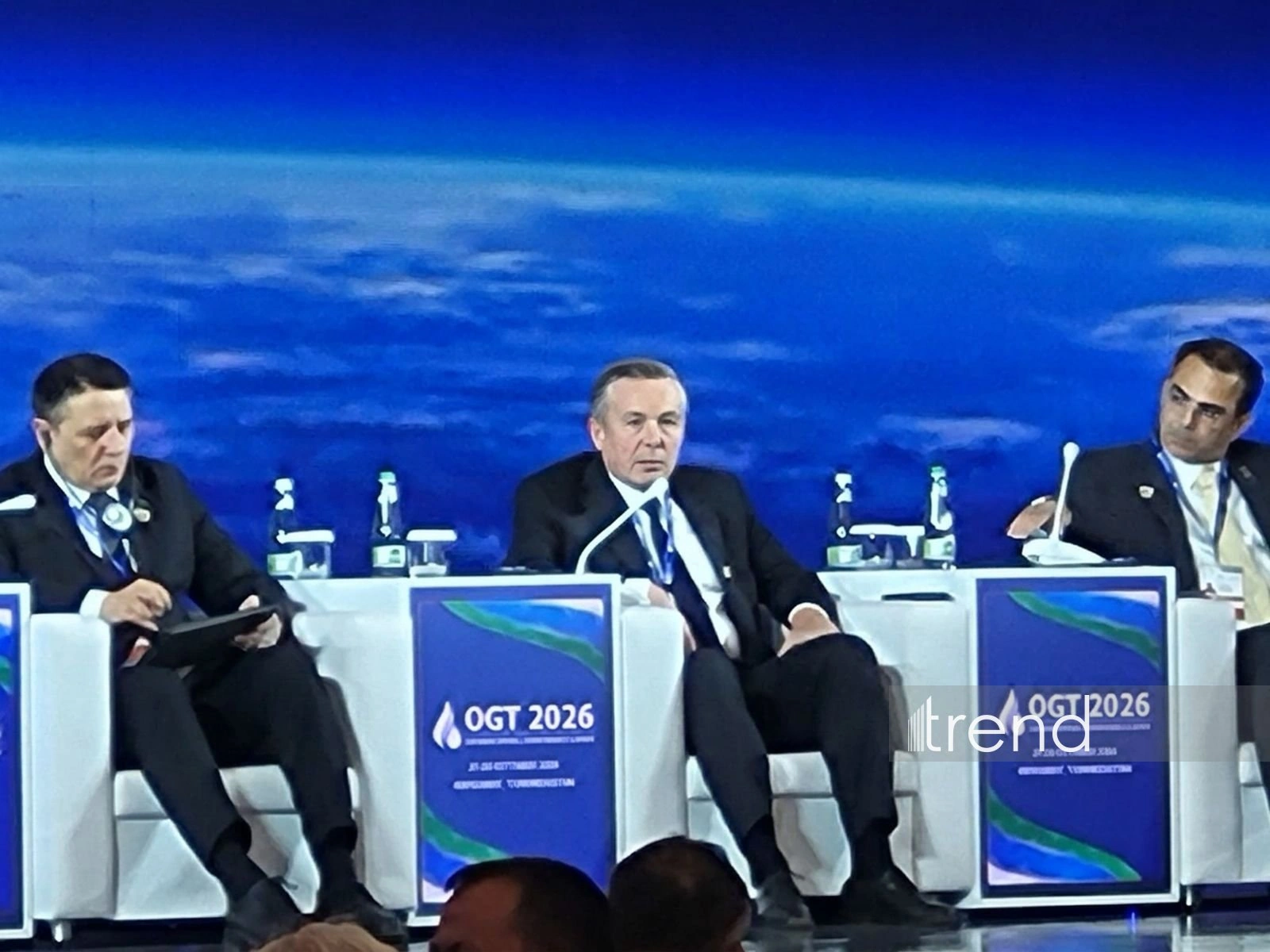
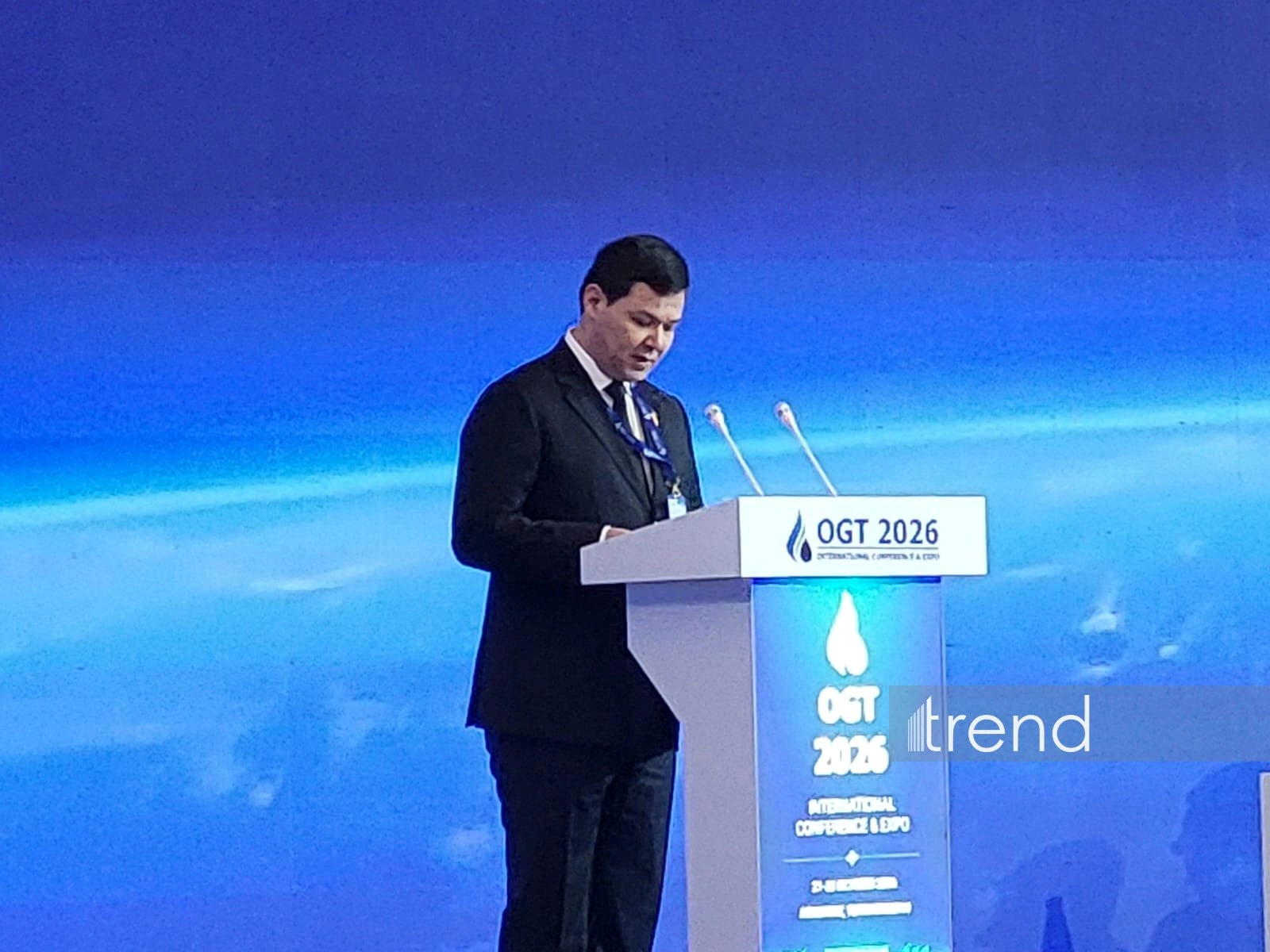
Jumayev made the statement at a panel discussion on Investment
and development opportunities in the Turkmen sector of the Caspian
sea as part of the 31st International Conference and Exhibition
“Oil and Gas of Turkmenistan” (OGT 2026) in Ashgabat.
According to Jumayev, cooperation with foreign companies in the
offshore sector is carried out in accordance with Turkmenistan’s
Law “On Hydrocarbon Resources,” which establishes legal guarantees
for investors and the conditions for conducting oil operations.
“The Turkmen sector of the Caspian Sea is divided into more than
30 license blocks. If interested in one or more blocks, any
potential investor may submit an official application to the
state-owned concern Turkmennebit,” he noted.
After reviewing the application and verifying that the investor
meets the qualification requirements, the parties may proceed to
direct, non-exclusive negotiations. Based on the results of these
negotiations, they may enter into production-sharing agreements
(PSAs), concession agreements based on royalty and tax terms, joint
venture agreements, or risk-sharing service contracts. The law also
permits a combination of these forms.
Moreover, Jumayev emphasized that the tax regime entails the
payment of income tax and prescribed fees for the right to use
natural resources. Investors are exempt from a number of other
mandatory payments and fees, as well as from customs duties on the
import and export of goods, materials, and equipment necessary for
oil operations. These provisions also apply to subcontractors.
In addition, investors have the right to dispose of their share
of extracted hydrocarbons, including refining their share of oil at
Turkmen refineries without additional taxes, licenses, or
permits.
Among Turkmenistan’s current international partners in the
development of offshore resources, Jumayev named Dragon Oil,
Petronas, and ADNOC, which operate under production-sharing
agreements.
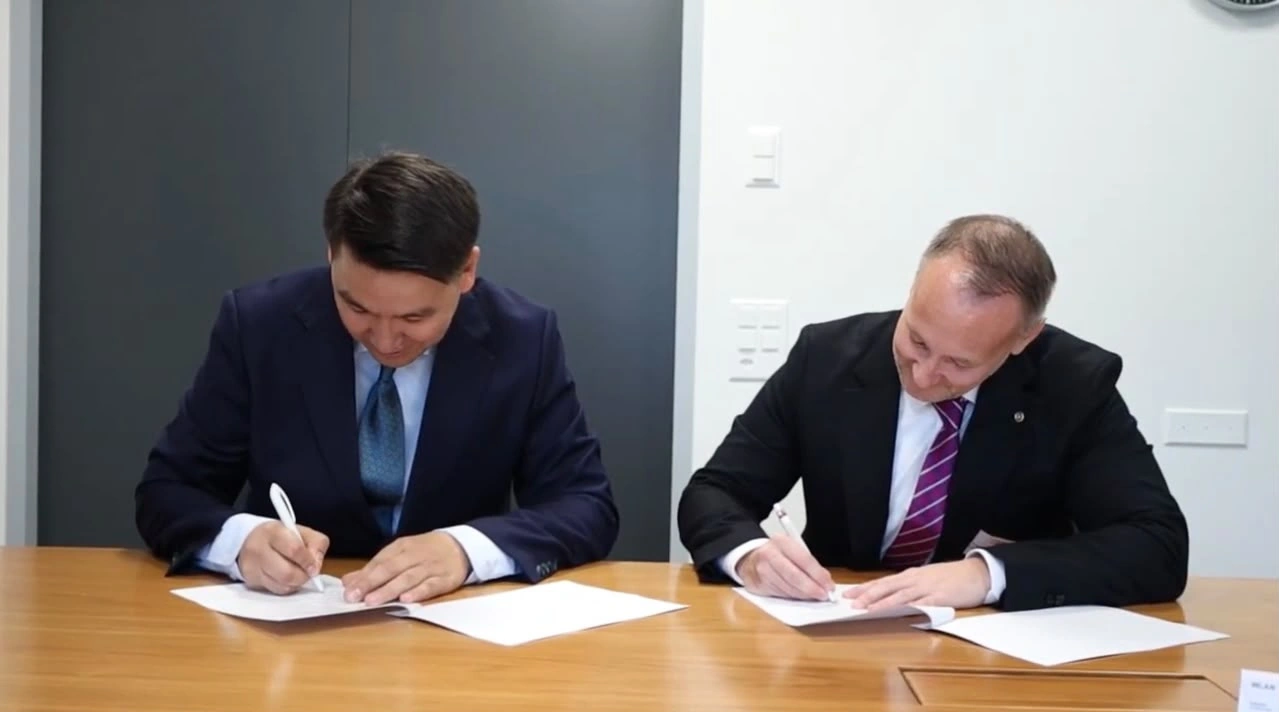
He specifically highlighted the production-sharing agreement for
the “Block 19” and “Block 20” contract areas, signed in June 2026
between Turkmennebit, the Malaysian company Petronas Carigali
(Turkmenistan) Sdn. Bhd., and the state-owned enterprise
Khazarnebit. According to him, this agreement marks a new phase in
offshore geological exploration and production.
Another area of focus is 2D seismic surveys in licensed blocks
11, 12, 13, and 14. A corresponding agreement has been signed
between Turkmennebit and Petronas Carigali. This work is intended
to expand geological information on promising areas and lay the
groundwork for assessing their hydrocarbon potential.
“Strategic partnerships under production-sharing agreements are
a key mechanism for attracting large-scale foreign capital and
technology to develop Turkmenistan’s significant hydrocarbon
resources in the Caspian Sea sector,” Jumayev stated.
He added that Turkmennebit is open to dialogue with
international companies based on the principles of equality and
mutual benefit.
Meanwhile, the second day of the 31st International Conference
and Exhibition “Oil and Gas of Turkmenistan” (OGT 2026) has begun
in Ashgabat. As part of the event, a session is being held on the
topic “Investment and development opportunities in the Turkmen
sector of the Caspian Sea.” Discussions are focusing on investment
opportunities for developing the Turkmen sector, prospects for
offshore exploration and production of hydrocarbons, and the
development of international partnerships.
The agenda also includes existing and new production-sharing
agreements (PSAs), as well as modern seismic survey programs
designed to help assess resource potential and prepare promising
blocks for development.