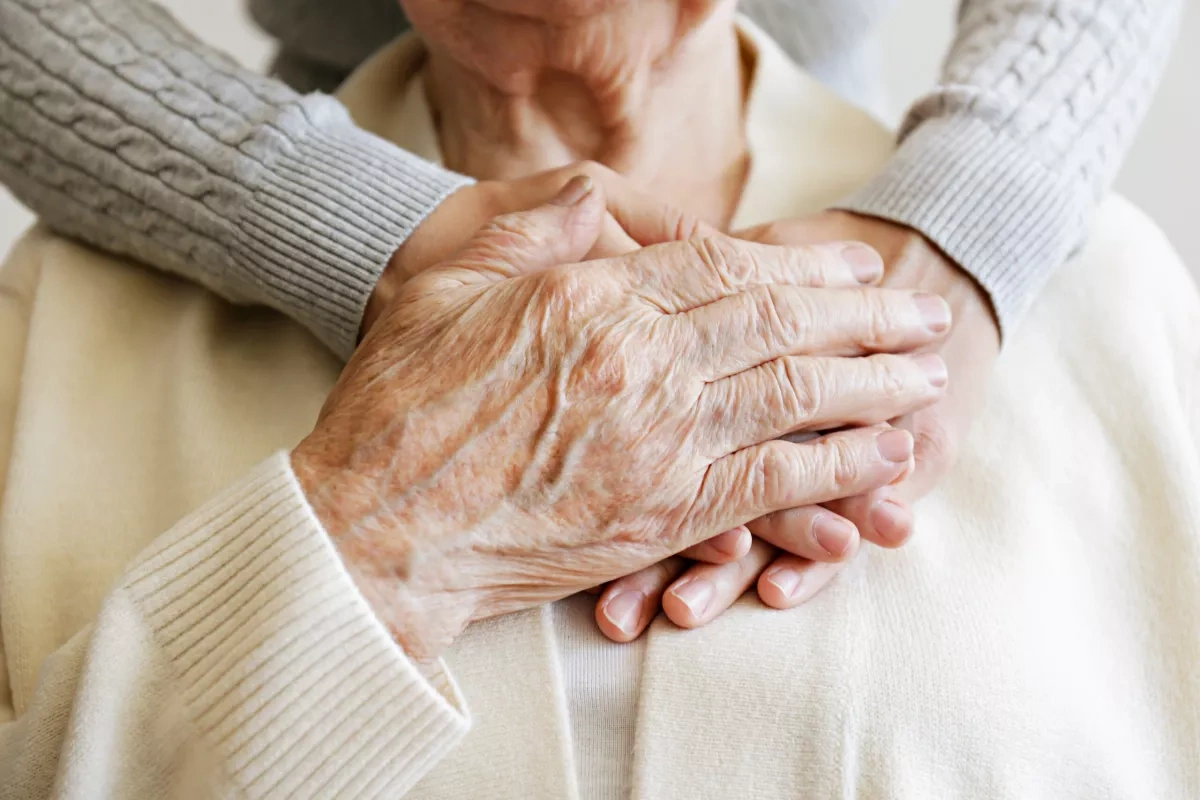
Millennials and older members of Generation Z may be experiencing faster biological ageing than previous generations, a trend that could help explain the growing incidence of cancer among younger adults. The findings add to an expanding body of evidence suggesting that age-related health risks are emerging earlier in life than in past decades.
A recent analysis highlighted by the New York Post challenges the popular perception that millennials are ageing more slowly than their predecessors. While advances in skincare, sun protection, and wellness habits may contribute to a more youthful appearance, the research suggests that biological ageing may be progressing at a faster pace beneath the surface.
The study compared individuals born between 1990 and 1999 with those born between 1965 and 1969. Researchers found that the younger cohort exhibited a significantly larger gap between their chronological age and biological age, as measured by PhenoAge, a biomarker-based assessment of ageing. Specifically, people born in the 1990s showed a 92% higher PhenoAge-defined age gap than members of Generation X when assessed at comparable ages.
The findings come amid a broader increase in cancer diagnoses among younger adults. Between 1990 and 2019, the number of people under the age of 50 diagnosed with cancer rose by 24%. Certain forms of cancer have shown particularly notable increases, including colorectal and uterine cancers.
According to the analysis, individuals born in the 1990s are more than four times as likely to develop early-onset colorectal cancer as those born in the 1960s. In the United States, the share of colorectal cancer cases diagnosed before age 55 increased from 11% in 1995 to 20% in 2019. Meanwhile, people born around 1985 face roughly double the risk of uterine cancer compared with those born before 1950.
Researchers suggest that several long-term health trends may be contributing to these developments. Earlier onset of puberty, rising rates of obesity, diabetes, and stroke at younger ages, and other indicators of accelerated ageing have all been identified as potential factors. These conditions are also recognised risk factors for cancer, strengthening the possible connection between faster biological ageing and rising cancer incidence.
The research further indicates that ageing does not occur uniformly throughout the body. Different organ systems can age at different rates, meaning that certain tissues may exhibit signs of accelerated ageing even when overall biological age appears relatively normal.
The study found that an immune system that appears older than a person’s actual age was associated with early-onset lung cancer. Likewise, fat tissue exhibiting signs of advanced biological ageing was linked to early-onset colorectal cancer. These findings suggest that organ-specific ageing patterns could play a role in determining cancer risk.
Researchers noted that generational differences in biological ageing have received relatively limited attention, despite their potential importance in understanding the rise of cancers diagnosed earlier in life.
“Right now, we don’t have a definitive answer to what’s driving the rise of early-onset cancers around the world,” said David Scott, director of Cancer Grand Challenges, the organisation that helped fund the research.
“But studies like this are helping us piece together the bigger picture, showing that cancer may be influenced not just by changes inside individual cells, but by wider changes happening across the body as a whole.”
Looking ahead, researchers aim to examine how environmental, lifestyle, and societal changes leave lasting biological effects that may accelerate ageing and increase disease risk. Yin Cao, a molecular epidemiologist and associate professor of surgery and medicine at WashU Medicine, and her colleagues plan to investigate how modern living conditions contribute to these long-term biological changes, with the goal of improving cancer prevention and treatment strategies.
By Jeyhun Aghazada