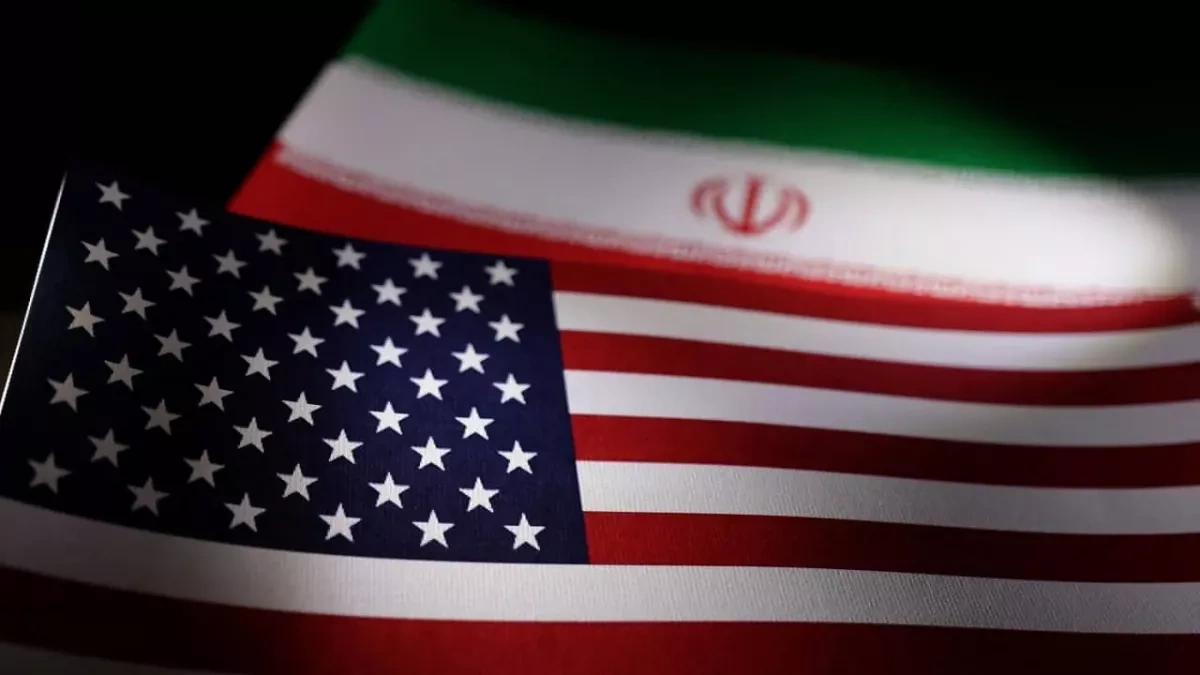
A direct hotline between the United States and Iran is needed to help restore maritime traffic through the Strait of Hormuz, Qatari Prime Minister and Foreign Minister Sheikh Mohammed bin Abdulrahman al-Thani told the Financial Times (FT).
According to him, the communication channel, whose creation was agreed upon by both sides during talks in Switzerland, is intended to counter disinformation and facilitate coordination during mine-clearing operations in the strategically important waterway.
“That’s what we are getting sometimes,” said Sheikh Mohammed, one of the lead mediators. “So the hotline’s purpose is to make sure that any ship that gets any type of threat is to be verified by Iran . . . and to let the ship pass safely.”
Asked about the possibility of internal divisions within the Islamic Republic, he acknowledged that opposition to the agreement was inevitable but stressed that such challenges are common in conflicts involving multiple parties.
“You will always have people who don’t like the deal, and you will have people who will try to sabotage. It happens in any kind of conflict with any party,” he stressed.
The reopening of the Strait of Hormuz remains a central element of the interim agreement reached by the opposing sides last week and is also crucial to US President Donald Trump’s efforts to alleviate pressures on global energy markets.
Sheikh Mohammed said Qatar, the world’s second-largest LNG exporter, whose energy facilities were struck by Iran during the early stages of the conflict, had already begun making preparations for the resumption of tanker operations after the parties signed a memorandum of understanding last week.
“Within a few weeks, production will come back to normal, except the damaged facility,” the minister said. “Our teams have been mobilised already for a few weeks. QatarEnergy is preparing for operations to come back to normal as soon as the situation in the strait normalises.”
Qatar, which, together with Pakistan, facilitated high-level negotiations between the US and Iran in Switzerland on June 21, also expects maritime traffic through the strategic waterway to gradually return to normal within the first weeks following the agreement.
By Jeyhun Aghazada