BAKU, Azerbaijan, June 23. Over the past five
years, 116.6 kilometres of asphalt road surface have been laid in
Kochkor district of Kyrgyzstan’s Naryn region.
This was reported by the press service of the President of
Kyrgyzstan.
This information was announced during President of the Kyrgyz
Republic Sadyr Japarov’s working visit to Naryn region on June 23,
during which he reviewed the socio-economic development progress of
Kochkor district.
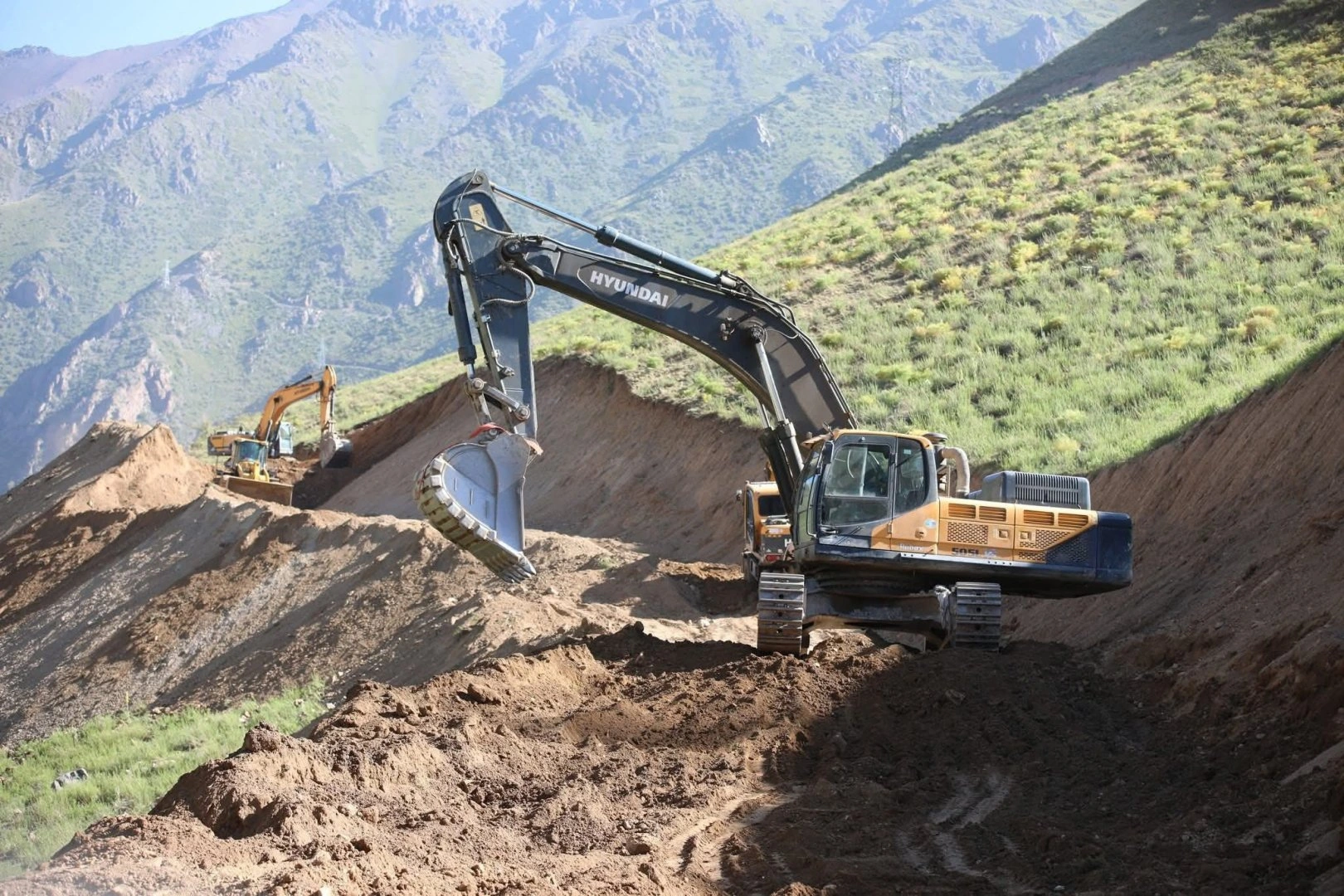
“Significant results have been achieved in the field of road
construction. Over the past five years, 116.6 kilometres of asphalt
pavement have been laid across the district,” the statement
said.
During the visit, the head of state was presented with a report
prepared by Kochkor district governor Bayaly Dosaliev. Local
residents and community activists also participated in the
meeting.
The presentation outlined the results of development programmes
implemented in the district, achieved indicators, as well as
priority projects aimed at further socio-economic development and
improving the quality of life for residents.
Particular attention is being paid to the development of
irrigation and municipal infrastructure. In 2026, the Shamshy
reservoir is planned to be commissioned, which will contribute to
more efficient water supply for the district’s agricultural sector.
At the same time, construction of clean water supply systems is
underway in four villages, while projects have been prepared to
provide drinking water to eight more settlements.
Meanwhile, the information highlights Kyrgyzstan’s continued
focus on regional infrastructure development, with road
construction and water management identified as key areas of
investment in rural areas. The completion of 116.6 kilometres of
asphalt roads over five years reflects efforts to improve transport
connectivity and access to services in Kochkor district.
The planned launch of the Shamshy reservoir indicates a
strategic approach toward strengthening agricultural sustainability
by improving water availability. At the same time, projects aimed
at expanding clean drinking water access demonstrate the
government’s focus on improving basic municipal infrastructure and
living standards in rural communities.