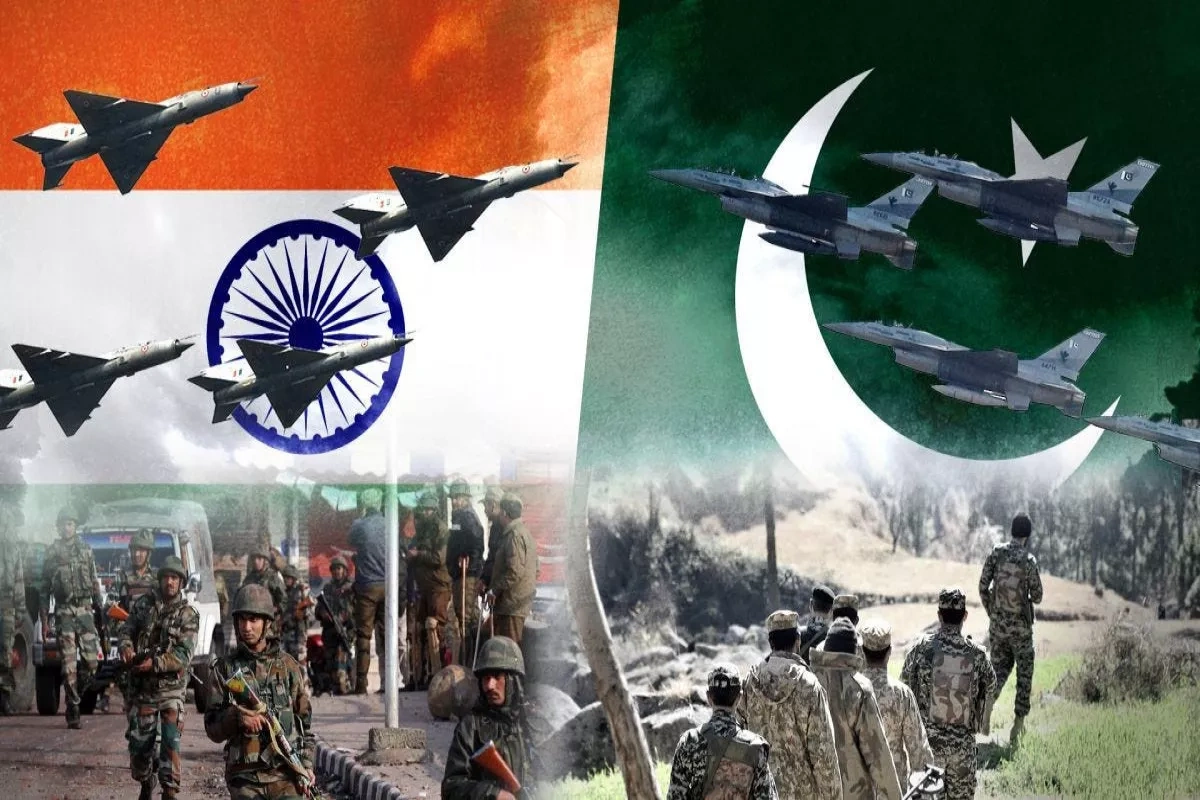
Pakistan’s Defence Minister Khawaja Muhammad Asif has threatened war against India over water security, in remarks that come amid heightened tensions between the two nuclear-armed neighbours and growing concerns over Pakistan’s internal water management challenges.
Speaking to ARY News, Asif said: “The moment we feel that our national security, and water is part of our national security, is being threatened, we will go to war against India. Definitely.”
He added that military action would be considered if Islamabad obtained evidence that India was acting at an “alarming speed” to disrupt Pakistan’s water supplies.
The comments come after New Delhi suspended the 1960 Indus Waters Treaty, a move India links to the April 2025 attack in Pahalgam in the Union Territory of Jammu and Kashmir, which killed 26 people and which New Delhi attributes to Pakistan-backed militants. India has maintained that the treaty will remain suspended until Islamabad takes what it describes as credible and concrete action to dismantle cross-border terrorism infrastructure.
The World Bank-brokered Indus Waters Treaty historically allows Pakistan to utilise around 80 per cent of the Indus river basin for agricultural use. However, critics note that Pakistan’s ongoing domestic water management issues have left parts of its agricultural sector increasingly vulnerable.
Asif accused India of “weaponising water”, alleging manipulation of the Chenab River flows and withholding of hydrological data. However, his remarks were met with scrutiny after he acknowledged that, despite claiming Pakistani teams had conducted “around 115 inspections”, he had no current information on developments over the past year.
Meanwhile, Pakistan is facing a severe domestic water crisis, with shortages affecting nearly one-third of the population, particularly in Sindh and Balochistan.
Official figures from Sindh’s irrigation department point to significant infrastructure deficits: the North West Canal is facing a 64.1% shortage, while the Rice Canal and Dadu Canal are experiencing deficits of 38% and 82%, respectively.
As water levels at the key Sukkur Barrage continue to decline, local officials have warned of what they describe as an “economic massacre” driven by the state’s inability to resolve persistent internal water distribution challenges.
By Vafa Guliyeva