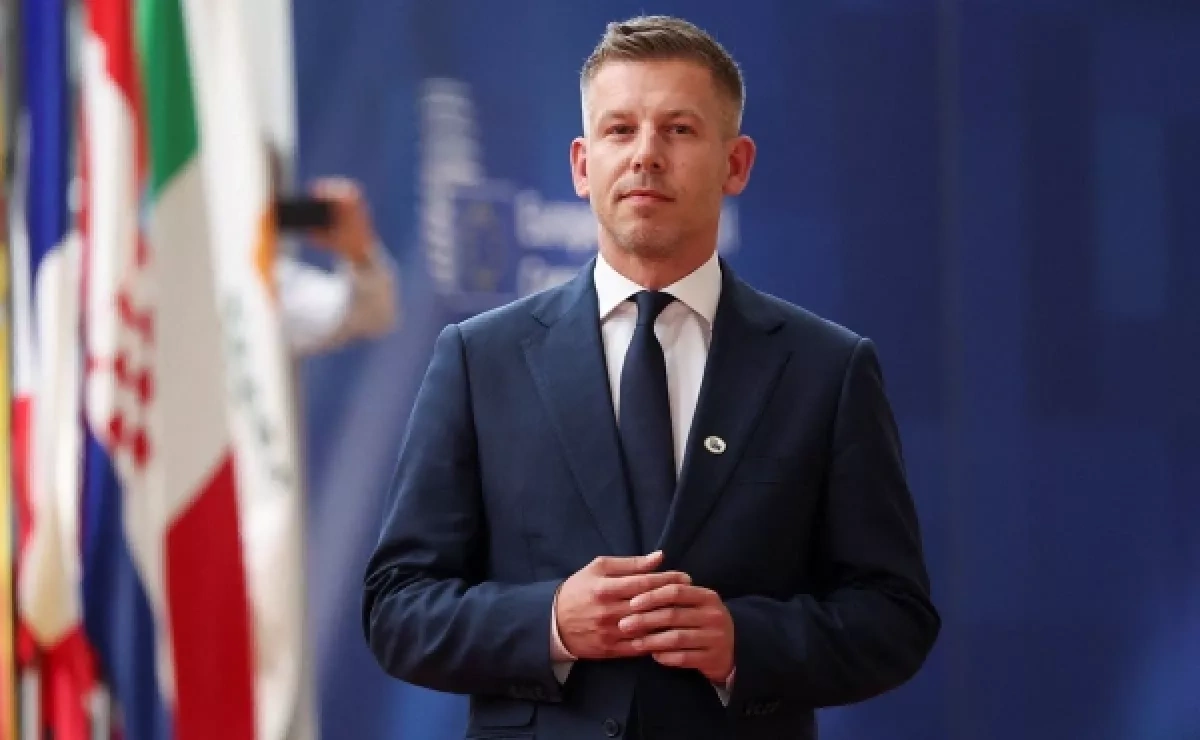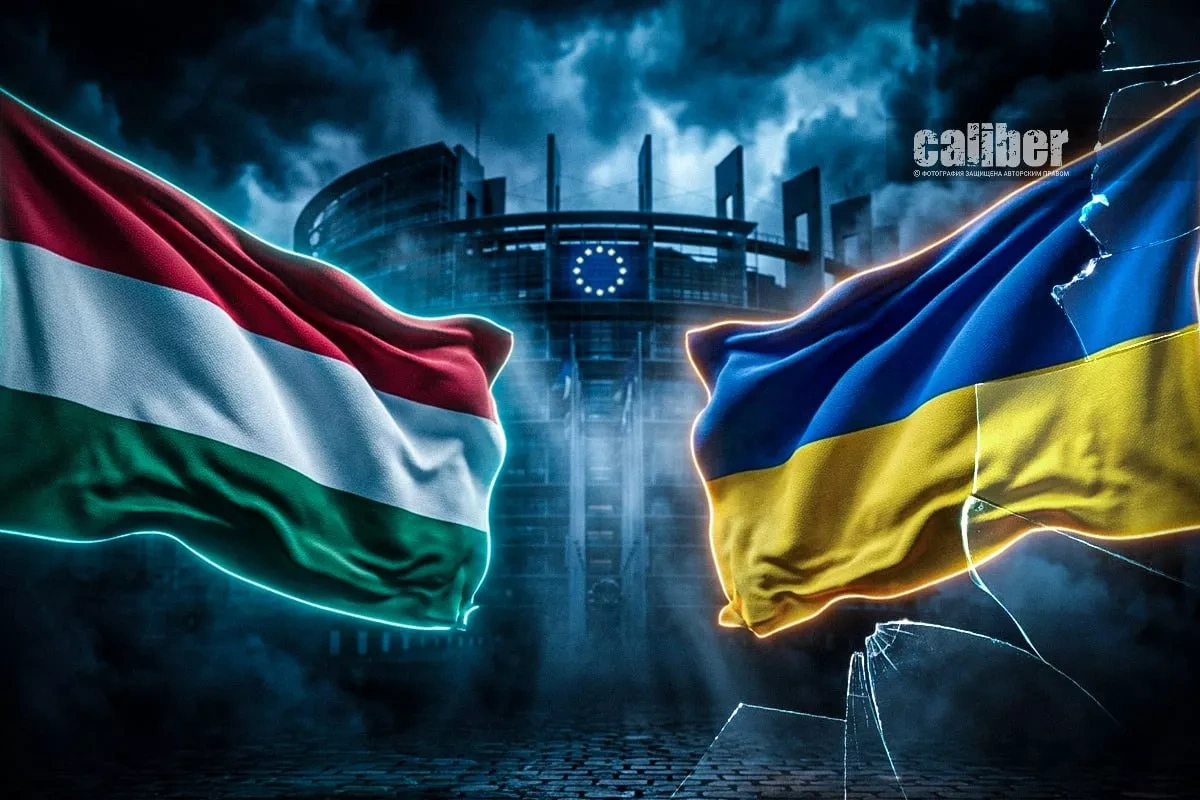
Hungary succeeded in removing wording on the accelerated accession of Ukraine to the Union from the EU’s final declaration. As Prime Minister Peter Magyar stated, all member states agreed on the revised version of the document.
“During the several weeks of drafting, the declaration was significantly refined based on a Hungarian proposal. Additionally, regarding Ukraine's EU accession process, at my initiative, a clause referring to accelerating accession was removed from the text at the very last moment. It wasn't easy,” Magyar wrote on X.
In the final statement of the summit, the paragraph concerning Ukraine’s accession to the European Union is formulated as follows: “The European Council welcomes the holding of the Intergovernmental Conference on the accession of Ukraine to the European Union and the opening of the fundamentals cluster on 15 June 2026, and looks forward to the opening of the other clusters, in line with the merit-based approach.”
Magyar has repeatedly stated that the new Hungarian government opposes the accelerated admission of Ukraine to the EU. In his view, the same criteria and requirements that apply to other candidate countries should also apply to Kyiv.
How does Hungarian society view the position of the new Prime Minister, and how has this decision been received in Ukraine? Caliber.Az asked well-known experts to comment on these questions.
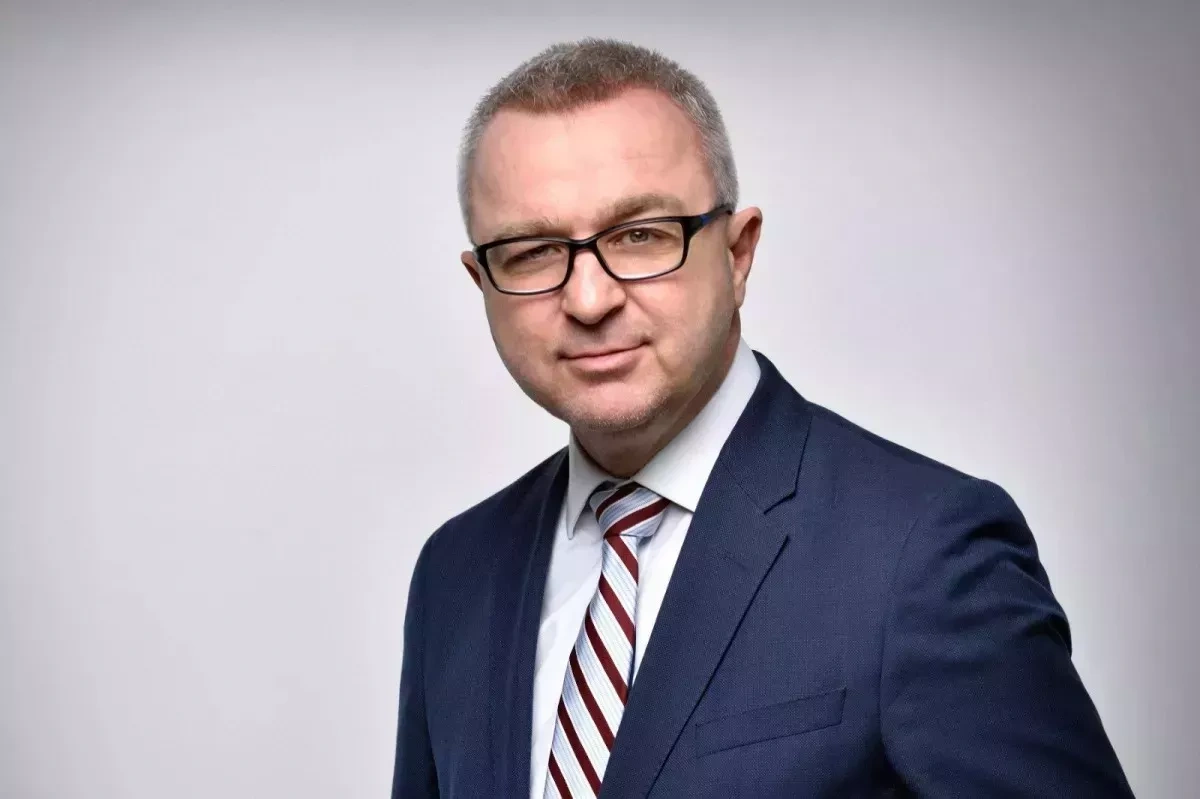
Chief adviser and senior research fellow at the Hungarian Institute of International Relations, Professor László Vasa, described Budapest’s decision as a tactical victory and a step in defence of the EU’s existing enlargement rules.
“Hungary’s position is based on several key factors.
First, Budapest consistently argues that EU membership must remain a merit-based process grounded in strict compliance with the acquis communautaire (the body of EU laws and obligations).
From the Hungarian perspective, accelerating the procedure is seen as a politically motivated deviation from established rules, which could in the long term undermine trust in the entire enlargement system. Hungary positions itself not merely as a state with a veto right, but as a defender of the norms and principles on which the Union is built.
Second, the timing of this decision is also important. The first negotiation cluster — ‘Fundamentals’ — was opened only on June 15, 2026, following a separate bilateral agreement between Kyiv and Budapest on minority rights in Ukraine.
The agreement itself was the result of a difficult compromise on the status of the ethnic Hungarian community in Transcar
Therefore, the demand to adhere to a standard negotiation timetable is directly linked to the need to implement the agreements reached and ensure guarantees for the protection of national minorities,” the political analyst noted.
The expert believes that Budapest is merely expressing more openly a cautious and gradual approach that is also shared by some other EU member states.
“This episode demonstrates Hungary’s ability to use its veto power to influence discussions on highly sensitive geopolitical issues. Although some Western capitals may interpret this move as an attempt to delay the process, in Hungary’s domestic political and strategic context it appears quite logical. Budapest sees it solely as an instrument to protect national interests and uphold EU procedural rules,” László Vasa concluded.
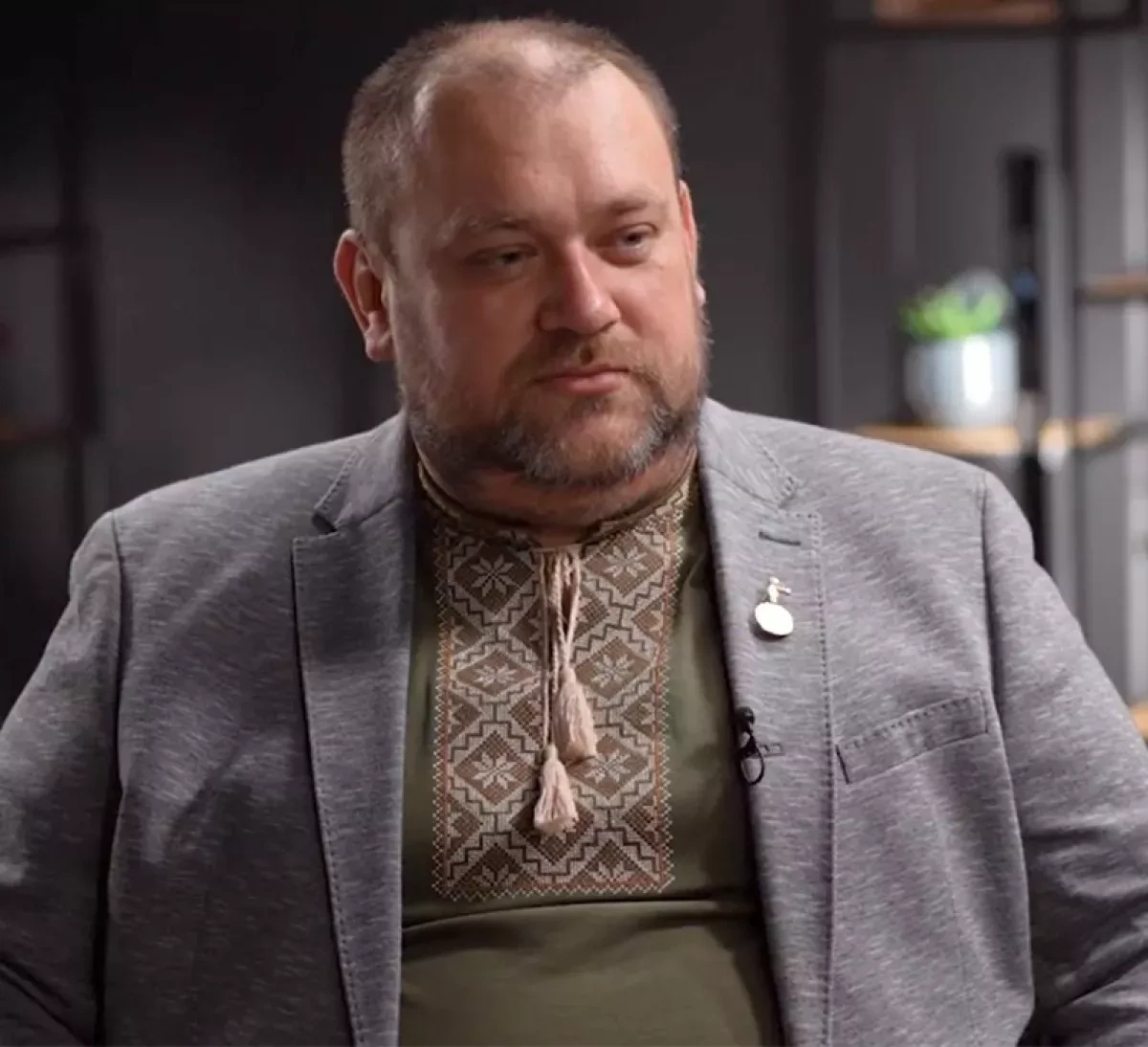
Ukrainian political scientist, PhD in Political Science, public figure and expert on international and national security issues, Oleksii Buriachenko, notes that, in unofficial European circles, it is widely believed that substantive talks on Ukraine’s EU membership are only possible after the end of the war.
However, according to the expert, even in that case, the process will not be quick.
“Before a final political decision is made — including votes in the parliaments of all EU member states and the full closure of negotiation clusters — a considerable amount of time may still pass. If Ukraine follows the standard procedure, without special mechanisms or accelerated formats, we are likely talking about several years.
Here it is worth recalling the statement by the Head of the European Union Delegation to Ukraine, Katarína Mathernová, who, on the day the first negotiation cluster was opened, described 2030 as a realistic timeline for completing Ukraine’s accession process to the EU. Personally, I consider this forecast to be more realistic and achievable under favourable circumstances,” the expert noted.
According to Oleksii Buriachenko, Ukraine’s accession depends not only on reforms within the country, but also on the EU’s readiness to admit new members.
“Ukraine is far from being the only country aspiring to EU membership. Western Balkan states have been waiting for accession for many years, while the negotiation process with Türkiye has effectively remained in limbo for decades.
Moldova also deserves special attention. At present, its European integration is largely proceeding in parallel with Ukraine’s, but there are already suggestions that after the opening of the first negotiation cluster, Chișinău may progress more quickly. Unlike Ukraine, Moldova is not in a full-scale war, despite the Transnistrian issue and ongoing Russian influence.
In addition, there is an ongoing debate in Moldova about possible unification with Romania — a country that is already a member of the European Union. Theoretically, such a scenario could significantly accelerate Moldova’s European integration.
Some European officials also believe that, over time, Ukraine and Moldova may need to separate their negotiation tracks, since the process of implementing EU legislation and adapting it to national legal systems requires an individual approach,” the expert stressed.
Returning to the Ukrainian question, the analyst notes that the end of the war remains a key political condition for EU membership, but it does not eliminate the need to continue reforms already now.
“During her recent visit to Ukraine, the EU Commissioner for Enlargement, Marta Kos, presented three possible scenarios for the further course of the process.
The first envisaged so-called ‘advance membership’, previously proposed by Ukrainian President Volodymyr Zelenskyy. According to this idea, Ukraine could join the EU as early as 2027 after meeting basic requirements, while completing the remaining stages of integration already as a member state of the Union.
However, according to Marta Kos, most European leaders are sceptical about such an option. Therefore, this scenario is now effectively no longer being considered,” the expert stated.
According to the expert, the accelerated accession of Ukraine to the EU is hindered not only by requirements imposed on Kyiv, but also by concerns of several European countries regarding the economic consequences of such a step.
“In Poland, for example, there are concerns about the impact of Ukrainian membership on the agricultural sector and the distribution of European subsidies. Therefore, the statements of Hungarian Prime Minister Peter Magyar cannot be seen as an exclusively Hungarian position. Similar sentiments exist in other EU countries as well,” the expert said.
In this context, Buriachenko believes that the most likely scenario remains Ukraine’s standard
“As Marta Kos noted, intermediate formats of cooperation are also possible. As an example, Norway and Switzerland can be mentioned. Such mechanisms may also be applied to Ukraine, particularly in the fields of security and defence.
At the same time, the opening of the first negotiation cluster was an important signal from the EU. If the current dynamics are maintained, the remaining six clusters could be opened by mid-2027.
Ukraine is already being considered a future member of the European Union, but years of negotiations, reforms, and coordination still lie ahead,” the expert concluded.