The Russian–Ukrainian war is having an increasingly noticeable impact on the Black Sea tourism market. On the one hand, Georgia, which is not involved in the hostilities, is becoming an attractive destination for leisure and tourism from a safety perspective. On the other hand, the war is raising a key question: how can one actually reach this relatively safe resort destination?
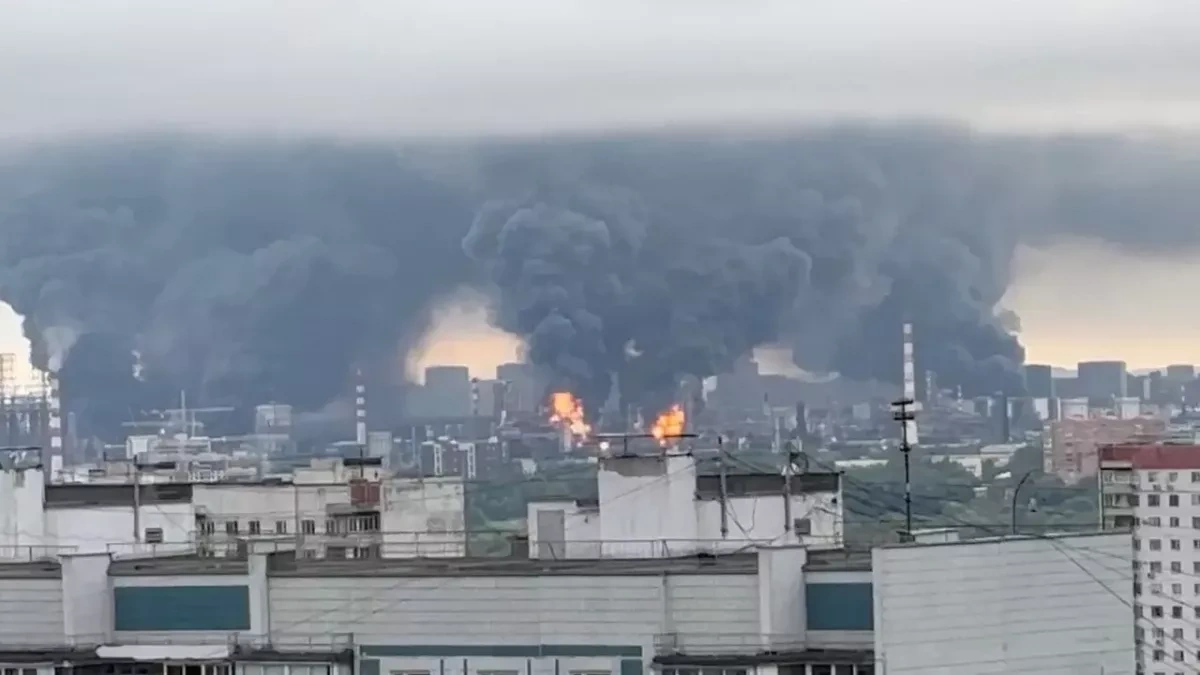
On June 18, 2026, due to strikes on Moscow and other regions of Russia, airports imposed restrictions and suspended air traffic. On that day, three flights from Moscow to Tbilisi and one to Batumi were cancelled. By June 19, air links between Russia and Georgia had largely been restored, but no one knows what other “surprises” the Russian–Ukrainian war may bring this summer.
At present, there are no serious disruptions to air connections between Georgia and Belarus. It is expected that many Belarusians, who previously travelled to Crimea in Ukraine and to the resorts of Russia’s Krasnodar region, will choose Georgia as a safer destination this year. However, the question remains: how quickly and safely can those who prefer to travel overland get there?
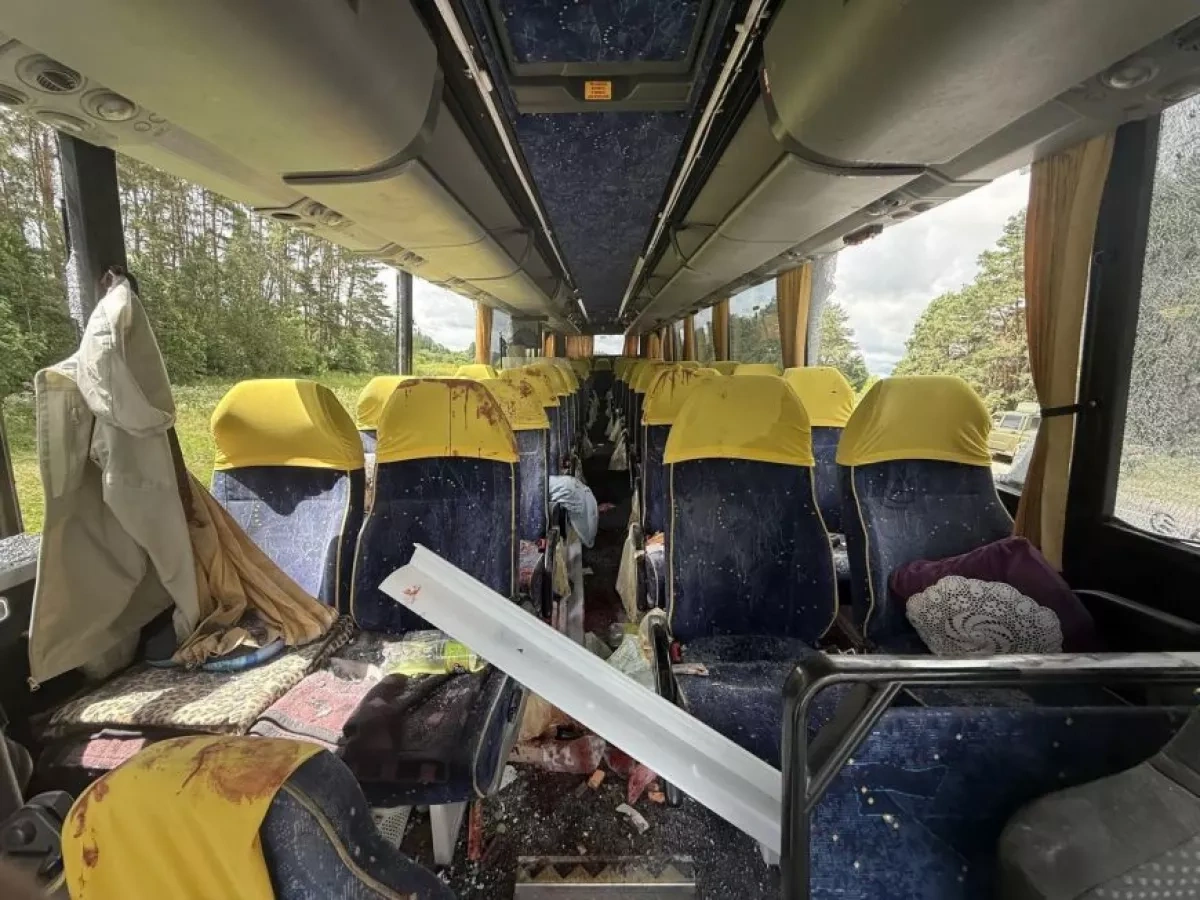
Traditionally, many tourists from Belarus reached Georgian resorts by bus. However, on the morning of June 17, 2026, a tragedy occurred in Russia’s Bryansk region: a drone struck a bus travelling from Belarus to Gelendzhik in Russia’s Krasnodar region. As a result, a woman accompanying the group was killed, and eight people — six children and two adults — sustained injuries of varying severity. Ukraine denies any involvement in the strike. One thing is clear: as long as the fighting continues, all traditional routes from Belarus to the south via Russian regions bordering Ukraine remain dangerous.
Posts have appeared on Belarusian social media suggesting that bus tour routes to Georgia and back have been adjusted to bypass the Bryansk and Kursk regions, instead going through the Smolensk, Kaluga, and Tula regions, or via Moscow. This adds roughly four to five hours to the journey, but it does little to restore a sense of security. Travellers still have to pass through Russia’s Voronezh and Rostov regions, which border Ukraine and where many military analysts predict an increased risk of drone attacks. The same applies to Russian citizens travelling south.
The danger of new drone and missile strikes is also increasing in Russia’s Krasnodar region and in Russian-occupied Crimea. As a result, the 2026 holiday season there has effectively come under threat of disruption.
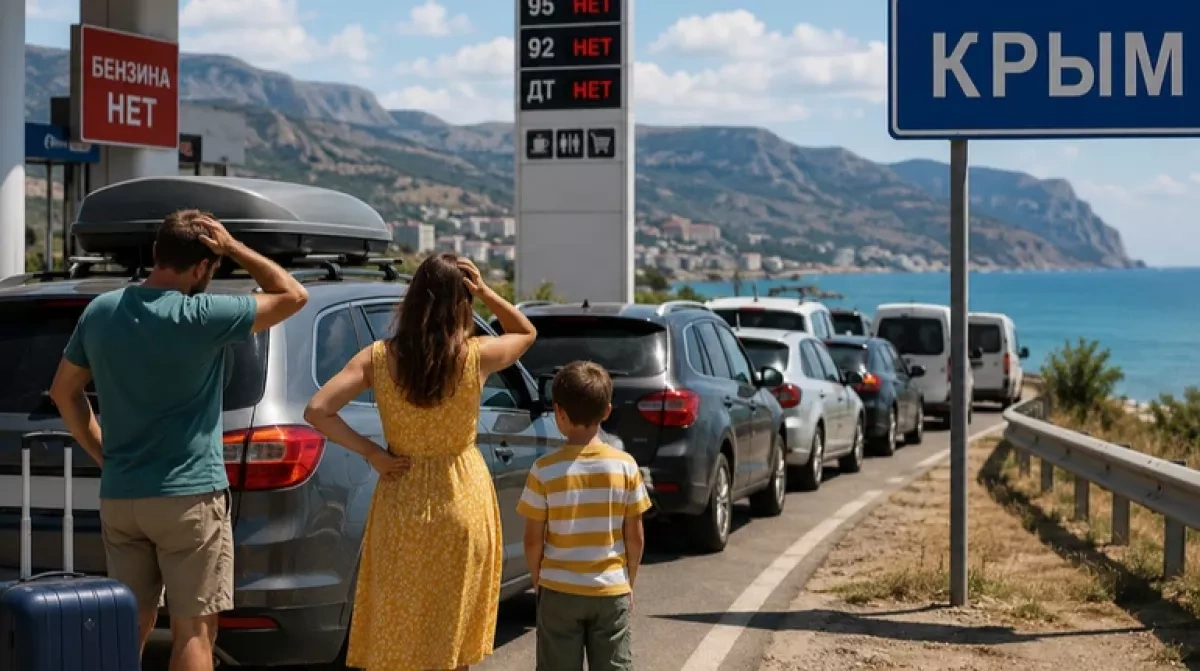
Large-scale Ukrainian drone strikes on logistics routes have already led to an acute fuel crisis in Crimea, while rail transport is becoming increasingly risky.
Holidaymakers are cancelling bookings in hotels and boarding houses across the peninsula en masse, with cancellation rates in some places reaching 70–90%. This is despite the fact that accommodation prices in Crimean hotels are currently 1.5–2 times lower than in Russia’s Krasnodar region, and some hotels are even offering promotions such as “fuel included as a gift”.
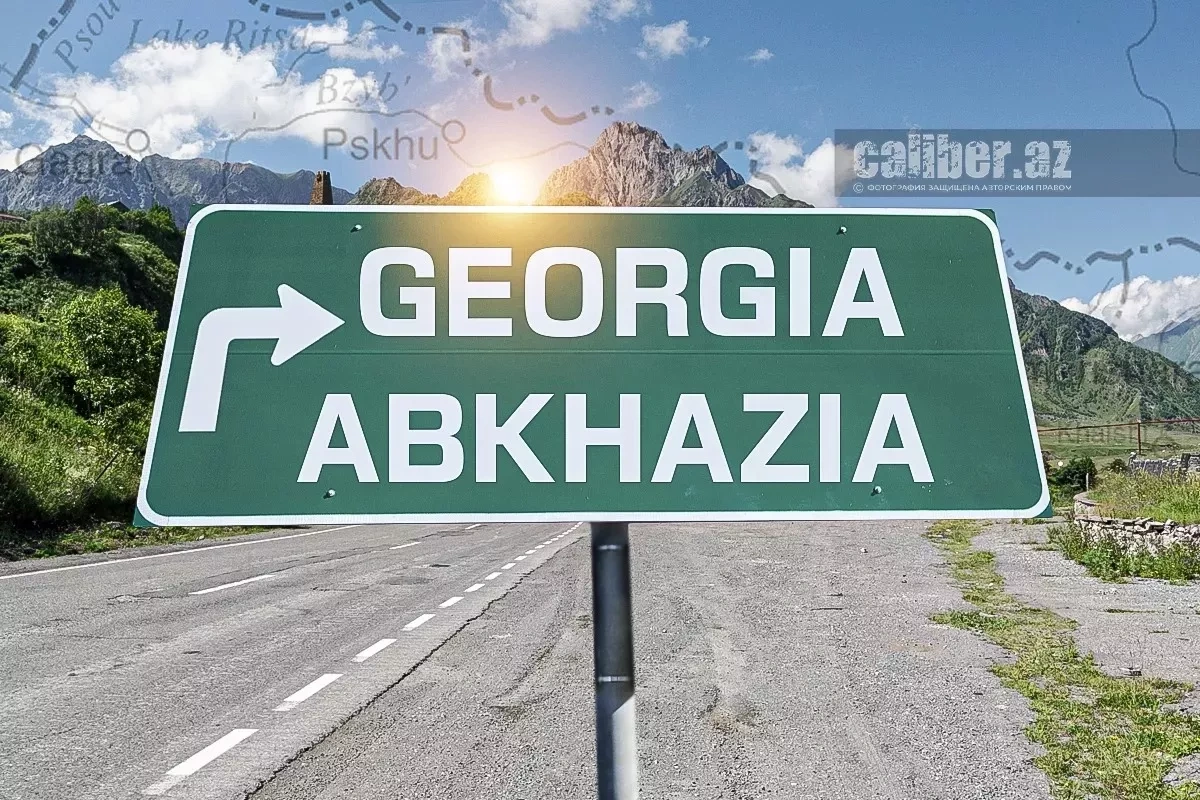
In the Krasnodar region, the situation with bookings is still somewhat better than in Crimea. However, many people are also reluctant to travel there after strikes on Tuapse. It remains unclear how the military escalation will develop this summer and whether the Black Sea coast of the Krasnodar region might once again come under attack. The same applies to the separatist region of Abkhazia.
Some Russians are already “consoling” themselves with the argument that, for Ukraine and the international community, Abkhazia is recognised as part of Georgia, not as an “independent allied state of Russia.” Based on the international recognition of Georgia’s territorial integrity, they hope that the Russian–Ukrainian war will bypass Abkhazia, at least during the current season. However, drones have already reached this area as well. Since Georgia does not control this territory, it cannot guarantee the safety of the population there. At the same time, Russian occupying forces, instead of acting as “protectors,” in the context of the changing nature of the war and its expanding geography, have effectively become an additional risk factor, increasing threats to civilians.
Another factor that could redirect tourist flows from Russia towards Georgia is a fuel shortage at petrol stations in several Russian regions. In Georgia, such a problem does not exist, and under current conditions its emergence is considered unlikely. The main challenge remains simply reaching the country for those planning to travel by private car.
This summer, Georgia has every chance of setting records in receiving tourists from Russia and Belarus, which would undoubtedly have a positive impact on the Georgian economy. However, the further continuation of the Russian–Ukrainian war and its potential expansion will inevitably affect this flow as well. A total war could lead to a situation where people are simply no longer focused on tourism and leisure — much like during the years of the Second World War.
By Vladimir Tskhvediani, Georgia, exclusively for Caliber.Az