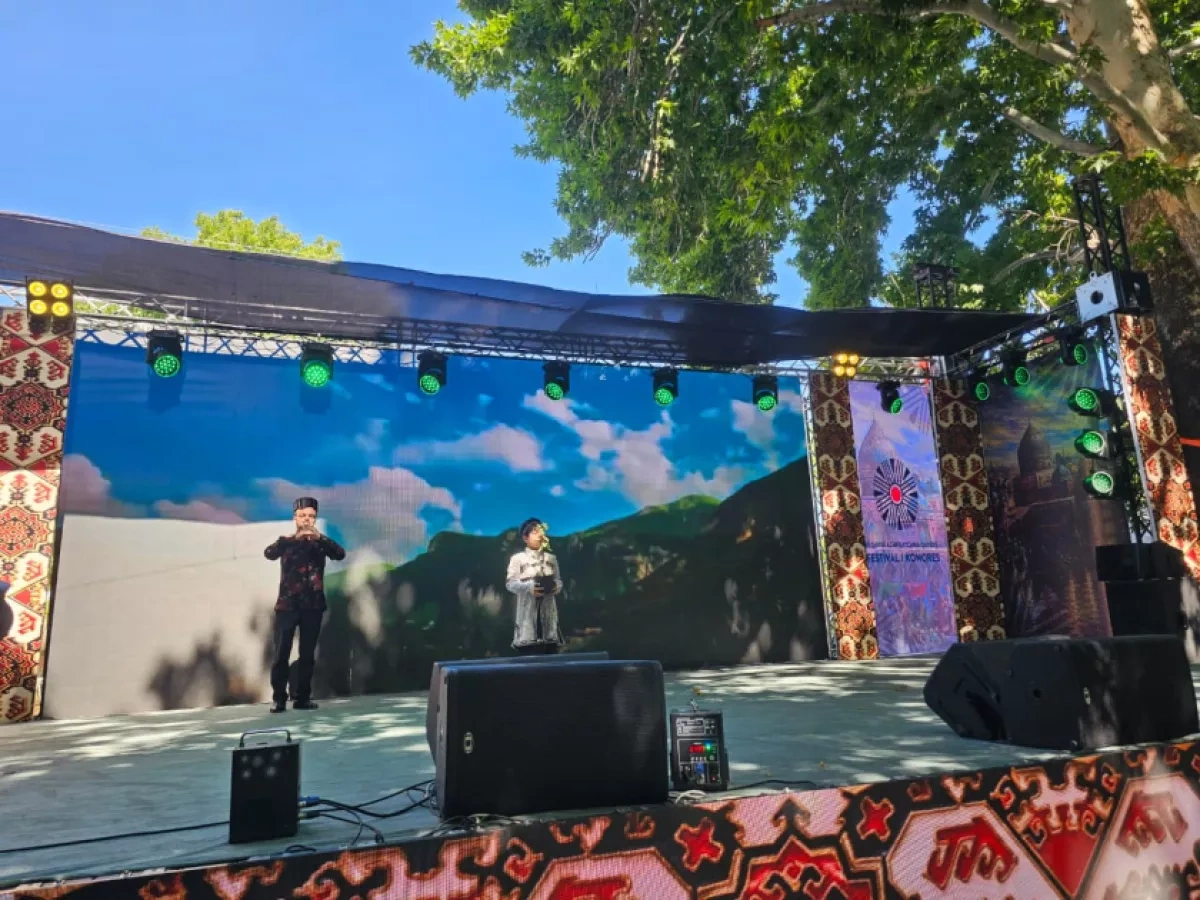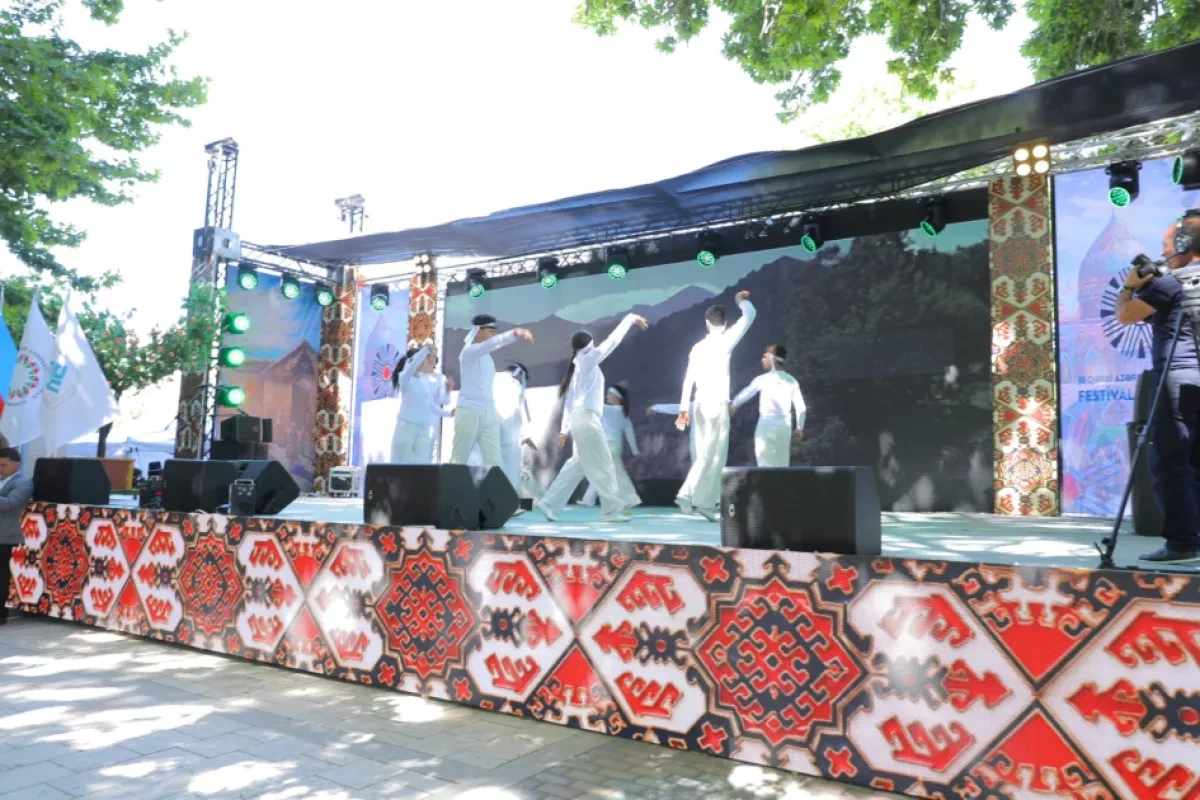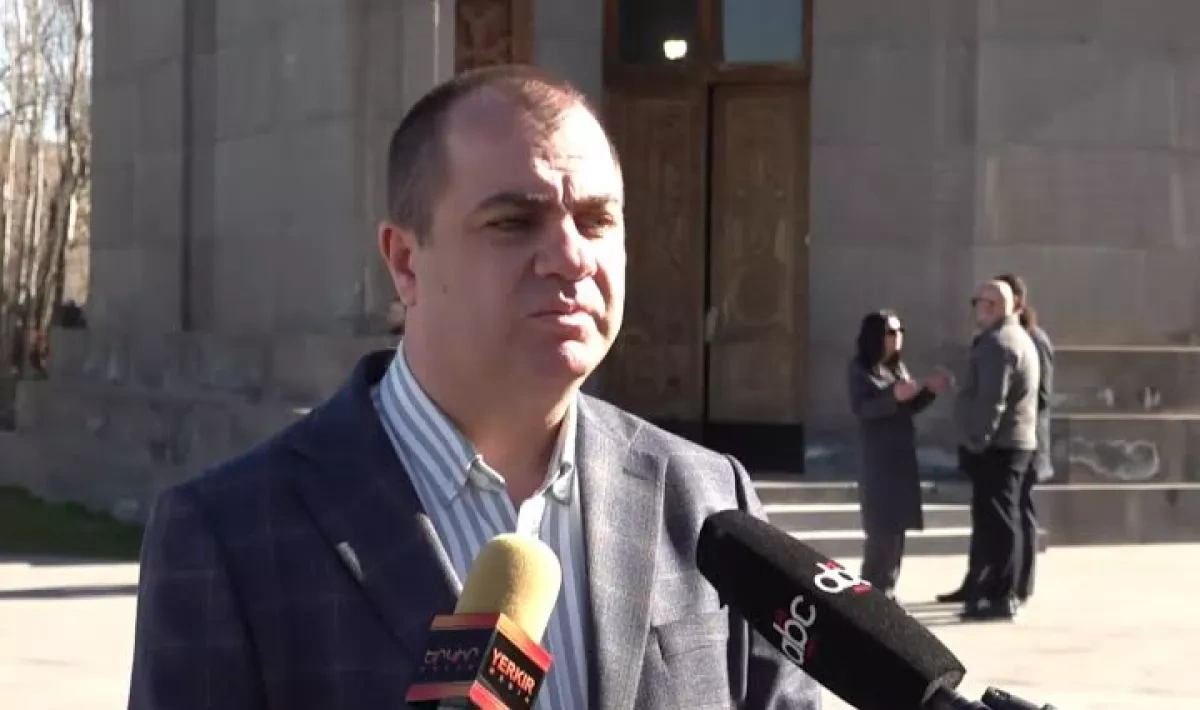
The third festival-congress “Return to Western Azerbaijan,” held in the Ordubad city of the Nakhchivan Autonomous Republic, has triggered a painful and far from adequate reaction in Armenia. In particular, Armenian media outlets have erupted in claims of the “dismantling of Armenian statehood,” the “institutionalisation of territorial claims,” and a “direct threat to territorial integrity.” The so-called “party of war” has, predictably, joined this frenzy, demanding a public response from Pashinyan. Armenian analysts, in turn, are focusing on the remarks of Azerbaijani officials participating in the event. Amid this clutter of noise, it is worth calmly examining what was actually said at the festival.
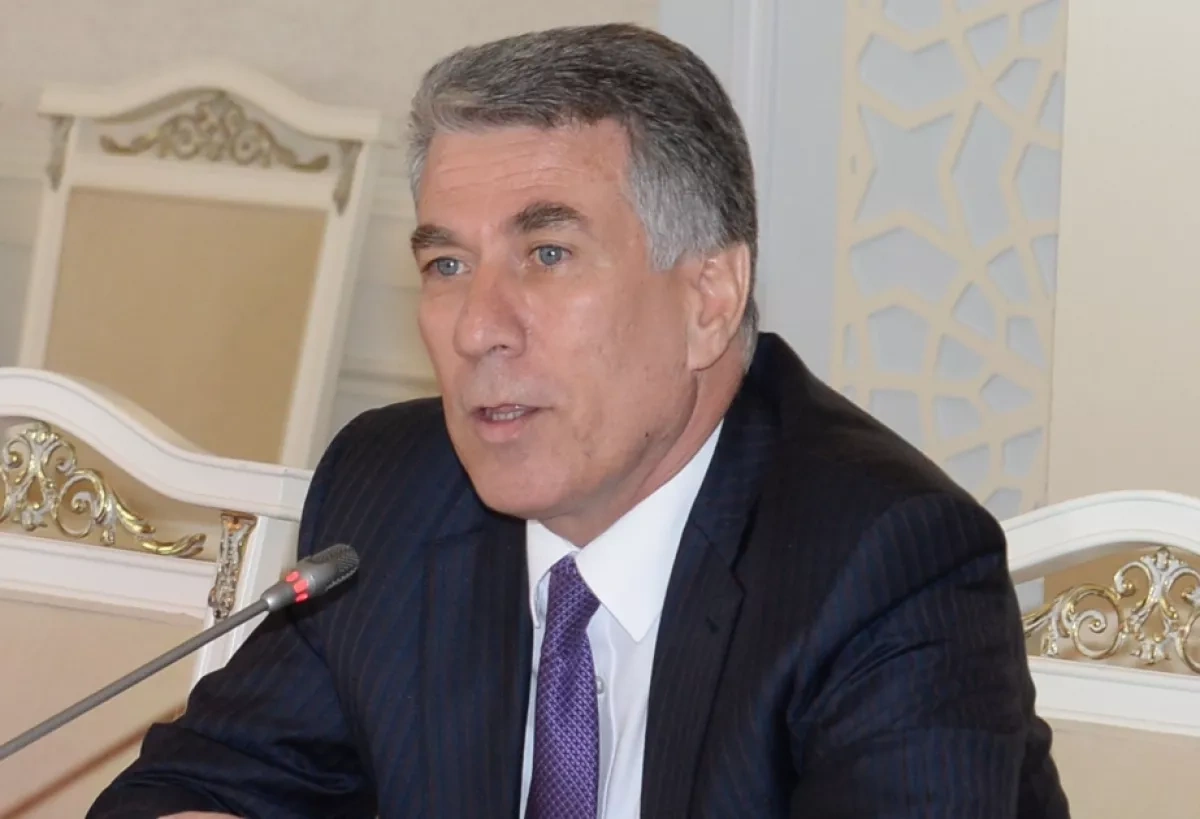
Thus, the Deputy Speaker of the Milli Majlis (Parliament of Azerbaijan), Ziyafat Asgarov, stated that every Western Azerbaijani has the right to return to the land of their ancestors, separately stressing that there are no grounds to consider this a territorial claim against Armenia. The right of people to return to the places from which they were once expelled is the whole “threat” that has triggered such a wave of hysteria in Yerevan.
In this context, it is not at all inappropriate to remind these adherents of revanchism that structures exist both on the territory of Armenia and beyond its borders whose very existence pursues exactly one goal — the cultivation of the idea of “miatsum” in Armenian society. To avoid being unfounded, let us provide some “living” examples.
Until recently, a “representative office” of the remnants of the separatist regime operated in central Yerevan. Its building was only on May 26 of this year removed, by a decision of an Armenian court following a lawsuit by the Prosecutor General’s Office of the Republic of Armenia, from the ownership of the so-called “government” of that defunct and unrecognized entity. In this regard, the formulation used by Prime Minister Nikol Pashinyan to justify this step is particularly noteworthy: he stated that he could not allow the existence of a second state within Armenia.
However, depriving it of the building does not mean the cessation of its activities, and this is a crucial point. Immediately after the court decision, the so-called “speaker of the parliament” of the liquidated entity, Ashot Danielyan, stated that this “will not break the will in the struggle for the right of return and the restoration of statehood.” The wording is entirely explicit: it refers to the de facto revival of a separatist project on Azerbaijani territory.
Thus, separatist tendencies have by no means disappeared; proponents of the idea of detaching sovereign territories from Azerbaijan continue to promote this narrative, holding events, issuing statements, and maintaining a network of contacts.
This network extends far beyond Armenia — it operates in France, the United States, Russia, and a number of other countries. In Bern, a delegation of the self-proclaimed “parliament in exile” meets with Swiss lawmakers and promotes the idea of a new negotiation platform. In several European capitals, resolutions on this topic regularly resurface, effectively reviving the issue. Each such “show” produces a new wave of accusations against Azerbaijan: narratives about “ethnic cleansing,” calls for “pressure on Baku,” and allegations of “human rights violations,” all built around the image of the Azerbaijani as an “eternal aggressor.”
Officially, Yerevan distances itself from these structures, yet it makes no real efforts to ensure their definitive dismantlement, and the gap between declaration and practice remains precisely wide enough for this infrastructure of claims to continue existing.
Against this backdrop, the hysteria surrounding the festival in Ordubad takes on a distinctly hypocritical tone. When a separatist “speaker” in Yerevan openly speaks about a “struggle to restore statehood” on Azerbaijani land, it is perceived in Armenian discourse as normal — a “legitimate struggle of an oppressed people” and a reason for sym
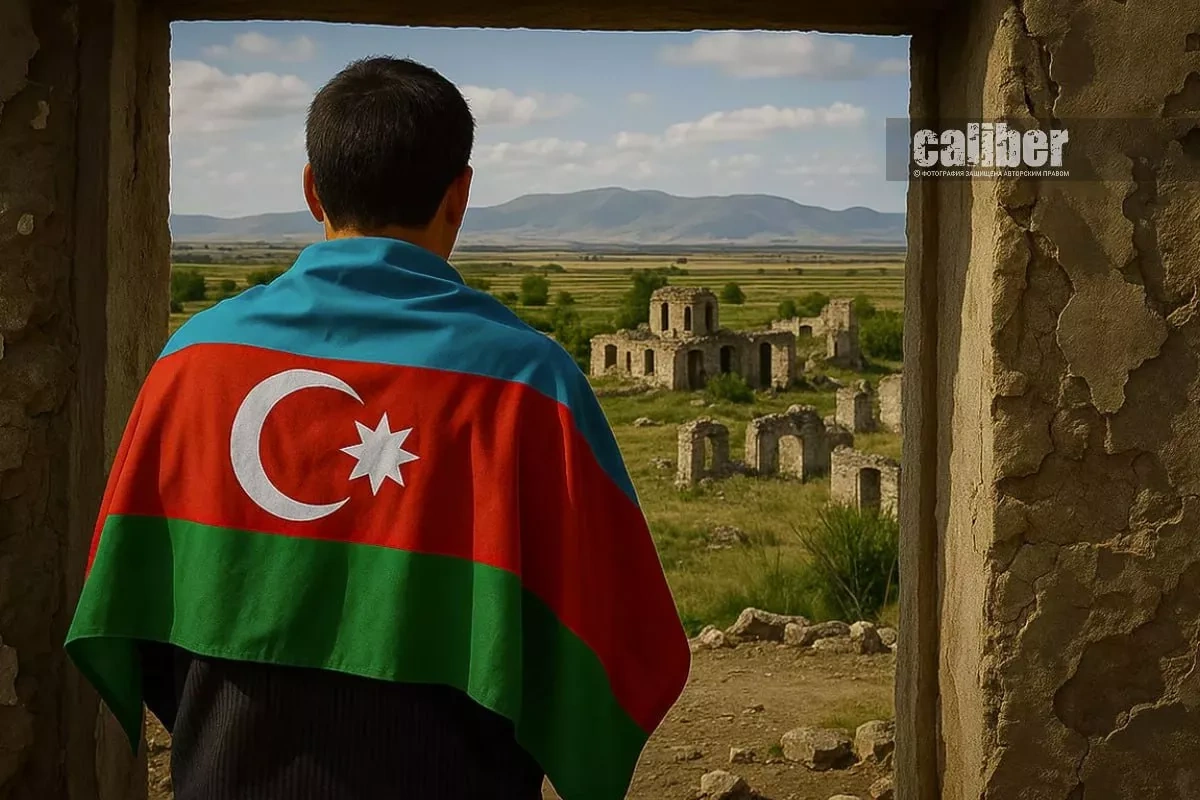
Meanwhile, there is a difference between the two cases, and it is not in favour of the Armenian side: the separatist project was built on the occupation of someone else’s territory and the forced expulsion of its indigenous population; the idea of return to Western Azerbaijan is related to the fate of hundreds of thousands of Azerbaijanis expelled from the territory of present-day Armenia — people whose homes, cemeteries, and mosques remain on the other side of the border.
These are not symmetrical phenomena: one is the memory of the real expulsion of a real population, while the other consists of claims to a neighbour’s land, reinforced by thirty years of occupation. And it is precisely the side whose project was sustained by conquest that is now the loudest in claiming a threat, when the other side has merely spoken about memory and the right of return.
What is also important is the manner in which Baku frames this issue. A festival-congress is not a military threat, not an ultimatum, and not a diplomatic note with demands. It is a public cultural and academic platform where the issue is shifted from an emotional register to an institutional one — into the sphere of education and history.
The right of return is formulated as a right of people, not as a state claim to territory; Asgarov specifically made this clear. Azerbaijan is not demanding a revision of borders, is not disputing the sovereignty of a neighbouring country, and is not advancing territorial claims — Azerbaijanis are speaking about the right to return to the places from which they were expelled and where their historical memory remains.
This is precisely what is not being understood in Yerevan. Azerbaijan is not mirroring Armenian revanchism; it is responding to it more calmly and more lawfully than it arguably deserves — by holding festivals, publishing academic collections, and speaking about the right of people to return. The reaction of Armenian media and opposition figures, who perceive an existential threat in this, reveals not strength but weakness: such nervousness belongs to those who feel the ground shifting beneath familiar narratives.
The Azerbaijani right to return to ancestral lands is difficult to grasp in Yerevan precisely because there it has long been treated as a monopoly. The festival in Nakhchivan merely served as a reminder that there is no monopoly on historical memory.