BAKU, Azerbaijan, June 18. Uzbekistan reviewed
progress on major environmental and climate initiatives launched by
President Shavkat Mirziyoyev.
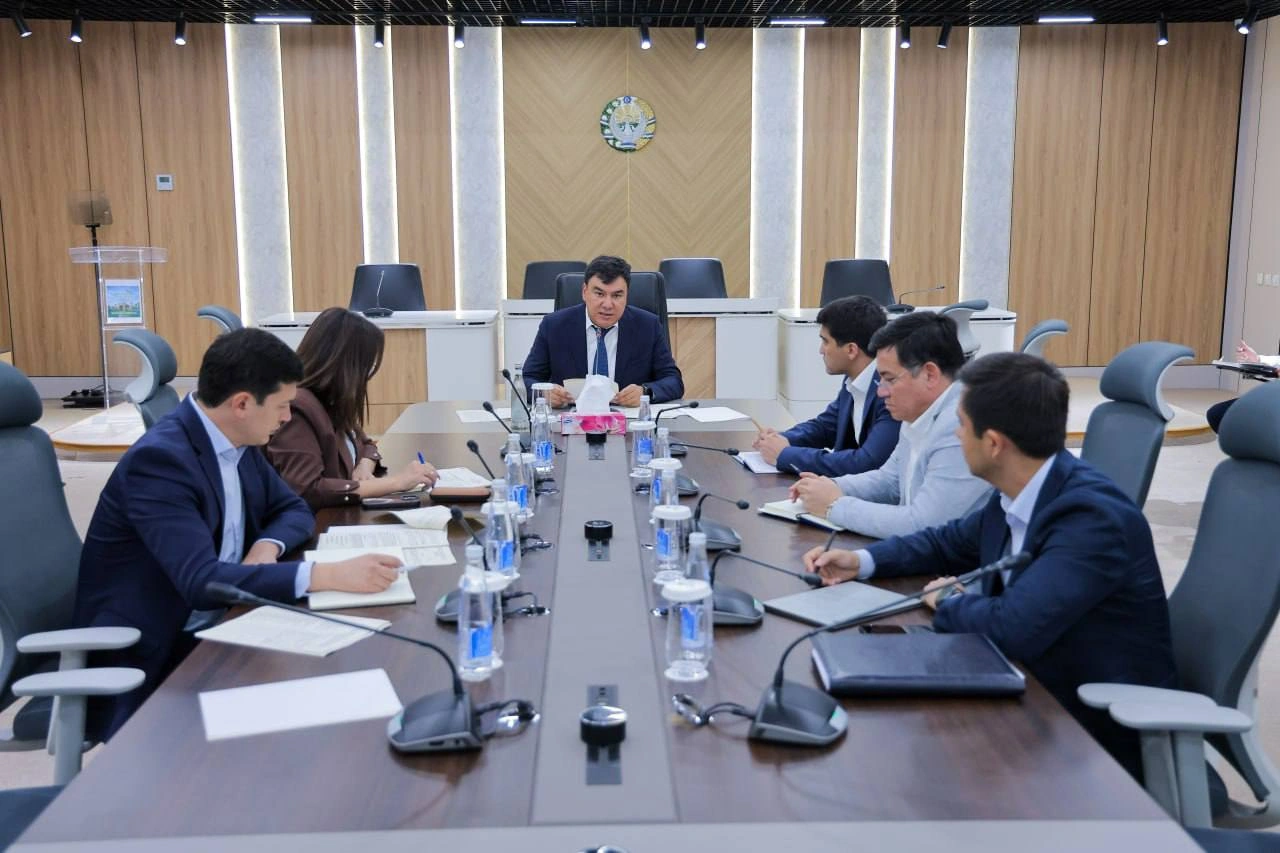
This was reflected in the statement by the National Committee on
Ecology and Climate Change, following the video conference meeting
chaired by Aziz Abdukhakimov, Adviser to the President and head of
the National Committee for Ecology and Climate Change.
The reviewed initiatives were launched by President Shavkat
Mirziyoyev following the 8th Assembly of the GEF, held earlier this
month in Samarkand.
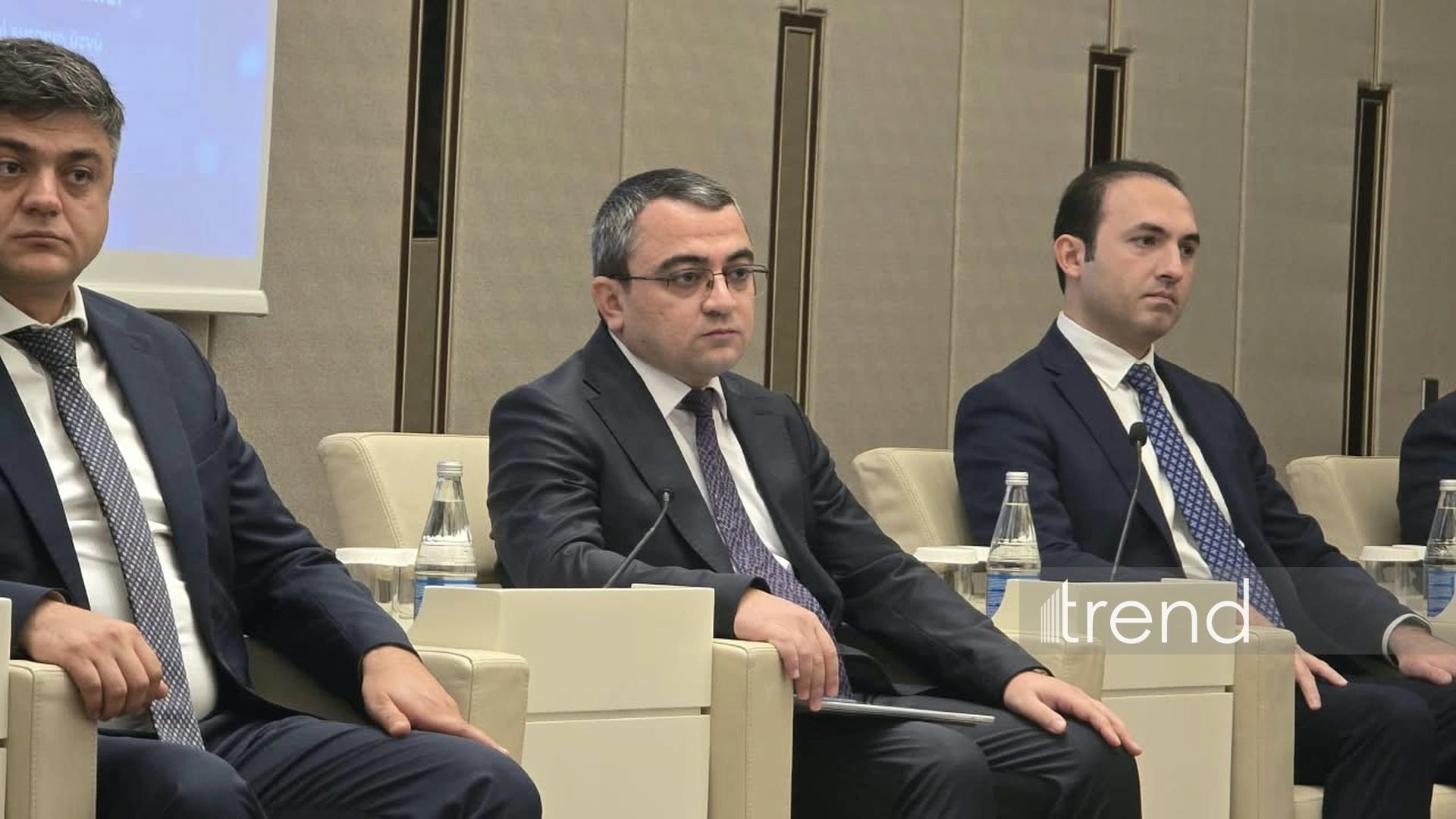
The meeting brought together senior officials from key
ministries and government agencies, including foreign affairs,
investment, economy and finance, energy, agriculture, water
resources, construction, and urban development bodies, as well as
regional authorities and representatives from across the
country.
Opening the session, Abdukhakimov thanked relevant agencies for
their role in organizing large-scale international environmental
events and highlighted the significance of the GEF Assembly as the
largest global environmental gathering ever held in the region.
Officials noted that the event included the 71st GEF Council
session, an NGO forum, nine high-level roundtables, around 50 side
events, more than 50 bilateral and multilateral meetings, and the
Eco Expo Central Asia 2026 exhibition. In total, more than 8,500
experts from 150 countries participated.
According to officials, the Assembly resulted in agreements on
national and regional projects worth over $50 million in GEF
grants, while the Eco Expo Central Asia 2026 attracted $80 million
in grants and more than $520 million in green investments. Around
300 agreements were signed in areas including renewable energy,
water management, and waste recycling.
A key focus of the meeting was the implementation of President
Mirziyoyev’s initiative to designate Samarkand as the “Green
Investment and Innovation Capital of Central Asia,” aimed at
transforming the city into a regional hub for green economy
development, sustainable growth, and climate finance.
Participants also discussed plans to establish the Ulugbek
Institute for Sustainable Development in partnership with Columbia
University’s Center for Sustainable Development, as well as the
creation of a National Center for Climate Change and
Hydrometeorology. Cooperation with Kazakhstan on a cross-border
“Clean Air” consortium was also reviewed.
Officials highlighted progress on the “Desert Economy”
initiative in the Aral Sea region, focused on combating
desertification and expanding climate resilience projects with
international support.
The meeting also reviewed waste-to-energy projects, including
plans to launch two plants this year and nine more in the next two
years, with the capacity to process up to 5.5 million tons of waste
annually and reduce greenhouse gas emissions by 1.1 million
tons.
In addition, participants discussed efforts to build an
integrated environmental education system through Green University,
which now coordinates 10 research institutes and 14 green technical
schools, reaching nearly 2 million young people.
The meeting concluded with instructions to accelerate
implementation of Uzbekistan’s green development agenda and
strengthen international cooperation in environmental protection
and climate resilience.