BAKU, Azerbaijan, October 22. Azerbaijan plans
to introduce a mechanism for pre-filling tax returns for
micro-entrepreneurs to reduce their administrative burden and
simplify compliance with tax obligations, Samir Khaligov, Head of
the Main Department for Tax Risk Management at the State Tax
Service under the Ministry of Economy, said, Trend's correspondent reports
from the event.
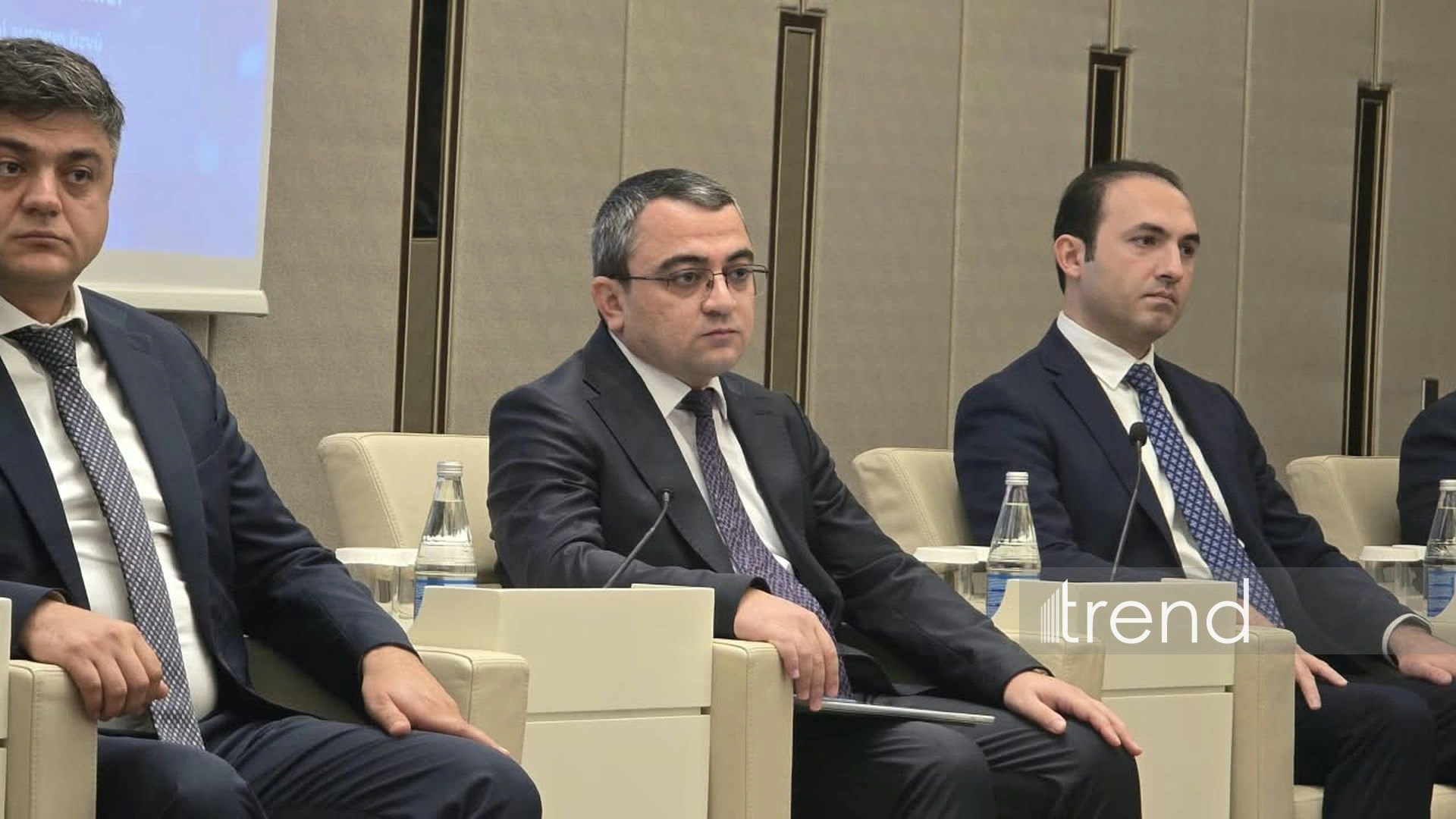
He made the remarks on Thursday at a conference in Baku
dedicated to the digital transformation of public finance.
He said the State Tax Service viewed digitalization not only as
a tool for tax control, but also as a way to improve the quality of
services provided to taxpayers and increase their satisfaction.
“Our main principle is not to ask businesses to provide
information that the state already has, and to make it as easy as
possible for taxpayers to fulfil their obligations,” Khaligov
noted.
According to him, one of the key innovations in this area is the
pre-filling of tax returns, known as pre-filling. This approach,
already used for simplified tax returns, is expected to be extended
to micro-entrepreneurs in the coming days.
“The system pre-fills the relevant fields of a tax return using
available data, while taxpayers check and confirm the information,”
he said.
Khaligov added that work was also underway to enable tax returns
to be submitted through a mobile application. This option is
particularly important for micro-entrepreneurs with limited access
to desktop computers. Expanding the pre-filling mechanism to
value-added tax (VAT) returns is another priority, he said.
The State Tax Service official stressed the importance of
expanding data exchange and integrating information systems across
government agencies as part of digital tax administration.
“Currently, the State Tax Service receives data from 35
government agencies and provides data to 42,” he said.
According to Khaligov, the main purpose of these integrations is
to improve the speed and quality of services and strengthen
coordination between agencies by enabling them to use each other's
data. Digital data exchange not only expands oversight capabilities
but also improves the efficiency of government operations and
reduces the administrative burden on businesses.
He also highlighted the importance of cooperation with the
Finance Ministry. As part of efforts to digitize handover and
acceptance documents for infrastructure construction, commonly
known as “Form 2,” the possibility of integrating the relevant data
into the tax system is also under discussion.
“I hope this integration will help reduce the additional
paperwork required from businesses,” he stressed.
Khaligov identified improving the aggregation of banking data as
another important area. Receiving structured information in a
timely manner would help increase the accuracy of pre-filled tax
returns, he said.
“Digitalization not only makes life easier for taxpayers but
also encourages voluntary tax compliance and helps improve the
transparency of budget revenues,” Khaligov noted.