BAKU, Azerbaijan, October 22. Azerbaijan is
shifting from detecting tax violations after they occur to a
preventive model focused on identifying and mitigating risks in
advance, Samir Khaligov, Head of the Main Department for Tax Risk
Management at the State Tax Service under the Ministry of Economy,
said, Trend's
correspondent reports from the event.
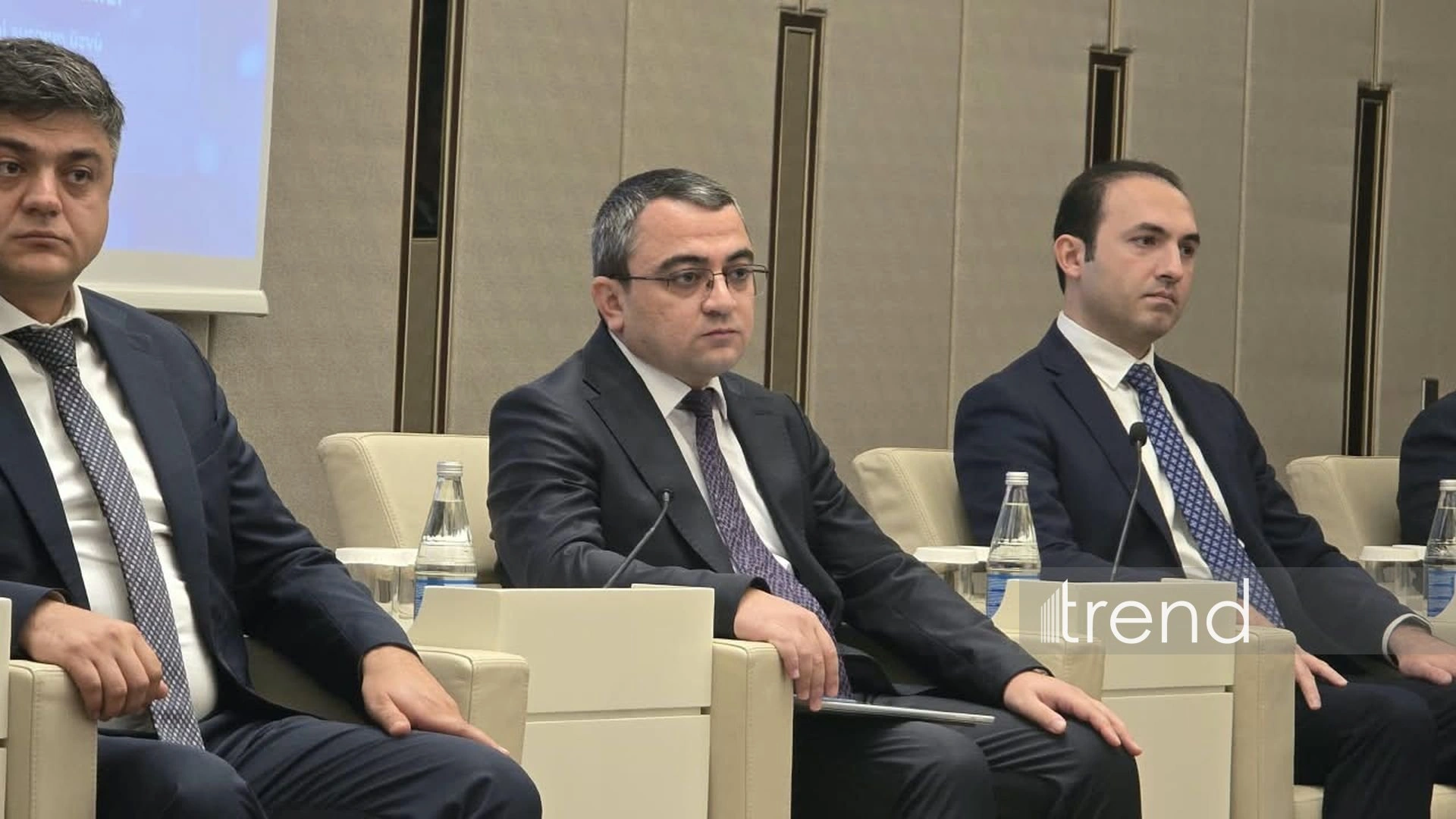
He made the remarks on Thursday at a conference in Baku
dedicated to the digital transformation of public finance.
Khaligov added that artificial intelligence, risk assessment
models and electronic monitoring mechanisms are being introduced to
support this transition.
He said the main objective of tax reforms was not to detect
violations after the fact, but to identify potential risks in
advance and prevent them.
“One of the most important changes in tax risk management is the
shift from a post-factum approach to a preventive one. Previously,
measures related to risky transactions were taken mainly after
transactions had been completed or risks had been identified.
Today, the main goal is to identify risks in advance and enable
taxpayers to avoid such transactions,” Khaligov said.
According to him, the use of artificial intelligence and
advanced analytical tools is being expanded in this area. AI-based
classifiers are being introduced to automatically categorize data,
while risk-scoring systems assess the risk levels of taxpayers and
the tax returns they submit.
Khaligov said these mechanisms enable tax authorities to direct
resources toward cases with a higher likelihood of actual risk
while improving the accuracy of risk identification.
The State Tax Service official also highlighted the importance
of the “Know Your Counterparty” service as a key preventive tool.
It allows taxpayers to obtain relevant information about potential
business partners before entering into business relationships or
purchasing goods and services from them.
“This helps taxpayers assess a counterparty’s activities in
advance, take potential risks into account and make better-informed
decisions,” he said.
Khaligov added that an automated system was also in place to
send notifications and warnings about transactions involving
high-risk taxpayers. The system is designed to inform the parties
involved about potential risks in advance.
He also discussed the introduction of an electronic field
inspection system, which has already been launched and is being
tested in pilot mode in one of the regions.
According to him, the system allows identified violations to be
addressed without paperwork, through electronic notifications. This
enables businesses to correct deficiencies voluntarily and take the
necessary steps to remedy violations.
Khaligov emphasized that such digital mechanisms not only
improve the efficiency of tax administration but also reduce the
administrative burden on businesses, encourage voluntary tax
compliance and strengthen transparency in tax relations.