BAKU, Azerbaijan, June 18. Electricity
generation in Uzbekistan increased by 6% year-on-year in 2026,
supported by a sharp rise in renewable energy output.
This was reflected in a report published by the Ministry of
Energy of Uzbekistan.
"Since the beginning of 2026, Uzbekistan's power plants have
generated 42.2 billion kilowatt-hours (kWh) of electricity as of
today. This represents an increase of 2.3 billion kWh, or 6%,
compared with the same period last year," the report says.
According to the ministry, the country's power plants generated
42.2 billion kilowatt-hours (kWh) of electricity from the beginning
of 2026 through June 15, up 2.3 billion kWh compared with the same
period last year.
The Ministry noted that 157 power plants with a total installed
capacity of 27,343 megawatts (MW) are currently operating in
Uzbekistan.
The country's generation capacity includes 17,774 MW of thermal
power plants, 2,442 MW of hydropower plants, 3,930 MW of solar
power plants, 1,652 MW of wind power plants, and 1,545 MW of
battery energy storage systems.
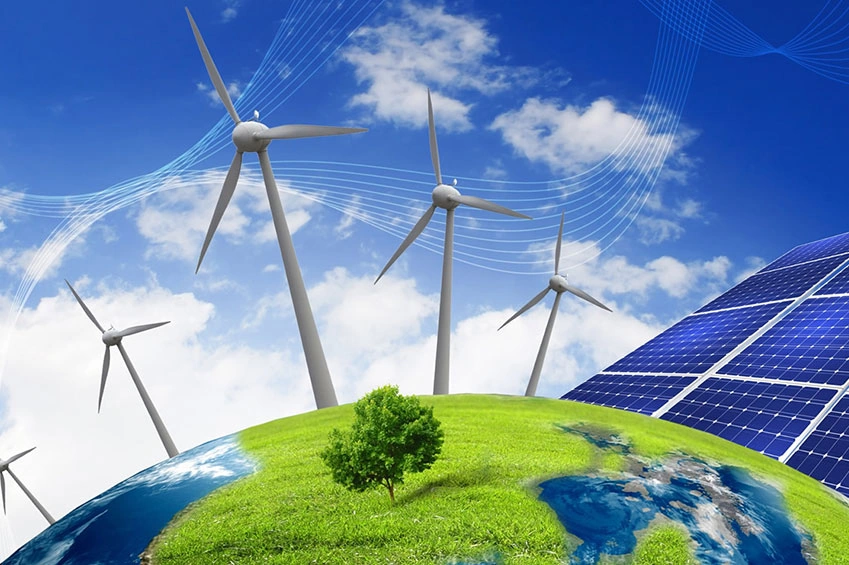
The ministry said renewable energy sources continue to play an
increasingly important role in the country's power mix. Between
January 1 and June 15, hydropower, solar, and wind plants generated
a combined 9.8 billion kWh of electricity, an increase of 1.8
billion kWh, or 23%, from the same period a year earlier.
The growing share of renewable energy in electricity generation
is helping reduce Uzbekistan's reliance on natural gas while
supporting the country's broader energy diversification and
sustainability goals.
The increase reflects growing electricity demand driven by
economic activity, industrial expansion, and population growth. It
also suggests that recent investments in power generation capacity
are helping the country keep pace with rising consumption.
The growth comes as Uzbekistan continues to diversify its energy
mix through the development of solar, wind, and hydropower
projects, reducing pressure on gas-fired generation and improving
overall energy security. A sustained increase in electricity output
is viewed as an important factor supporting industrial development,
attracting investment, and maintaining reliable power supplies
across the country.