BAKU, Azerbaijan, June 16. At the initiative of
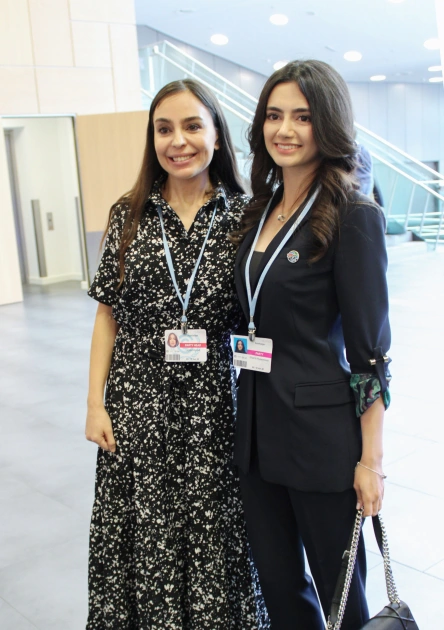
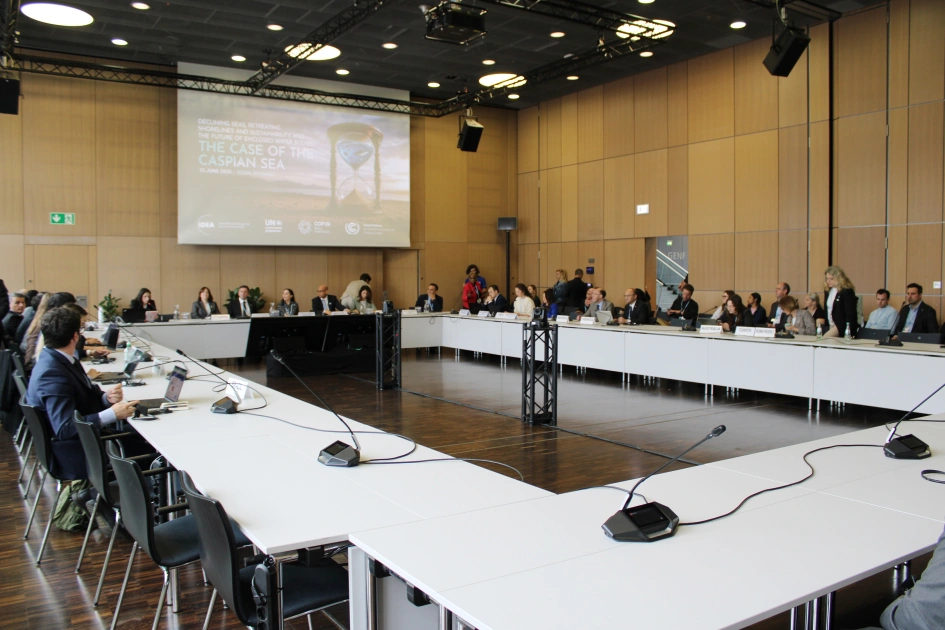
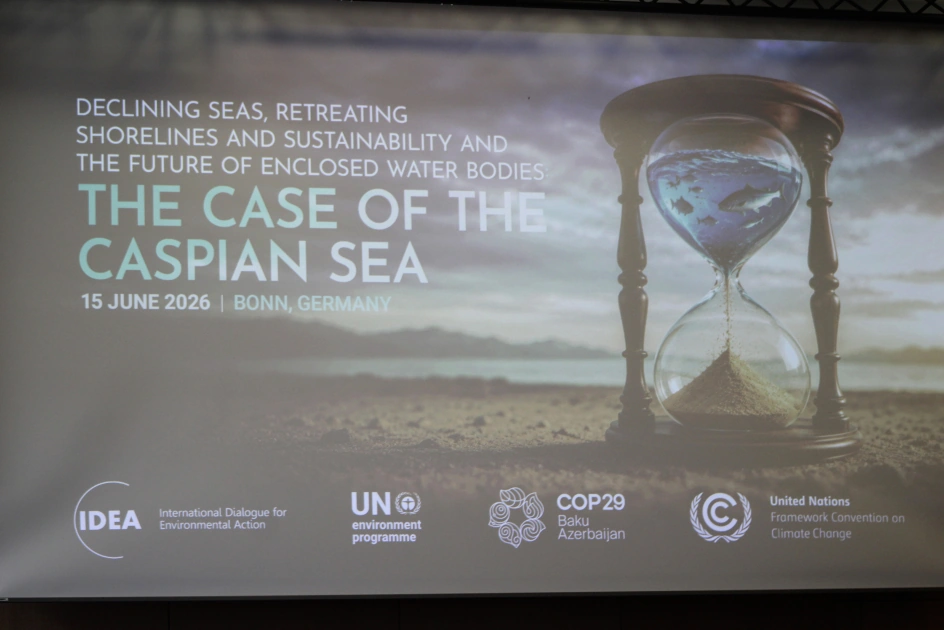
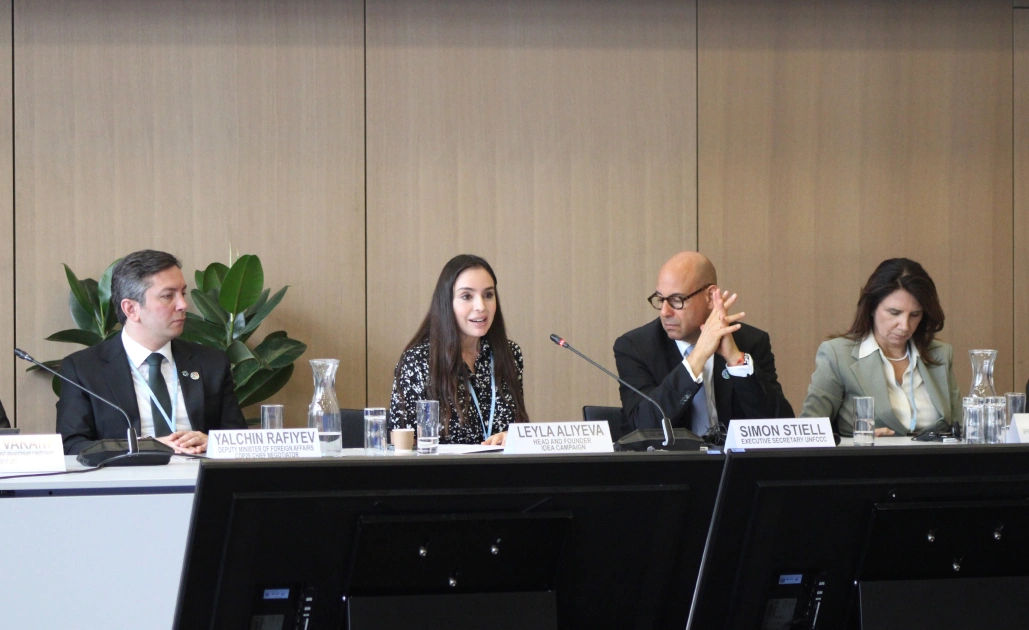
Leyla Aliyeva, a high-level panel discussion titled “Declining
Seas, Retreating Shorelines and Sustainability and the Future of
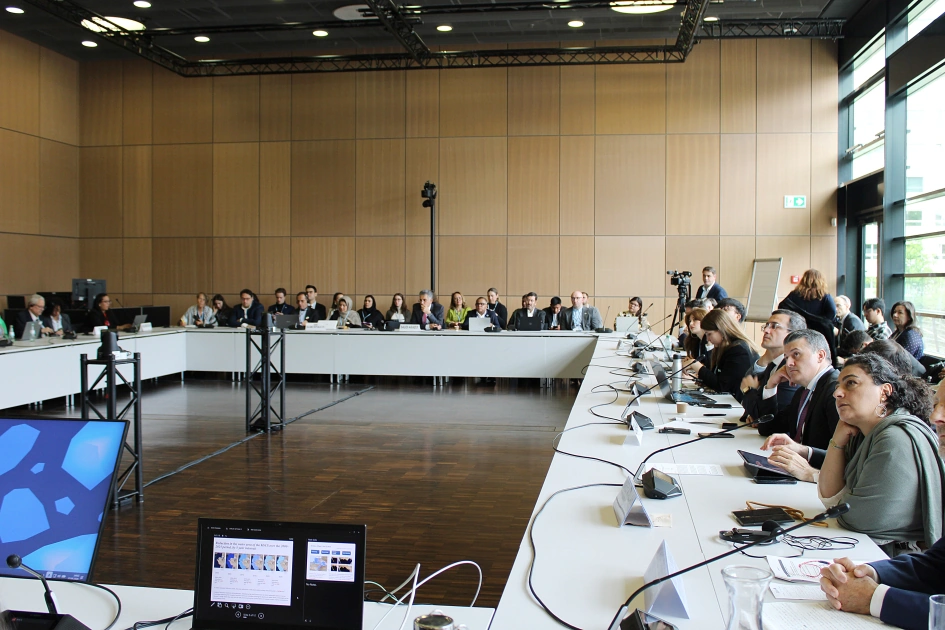
Enclosed Water Bodies: The Case of the Caspian Sea” was held in
Bonn, Germany.
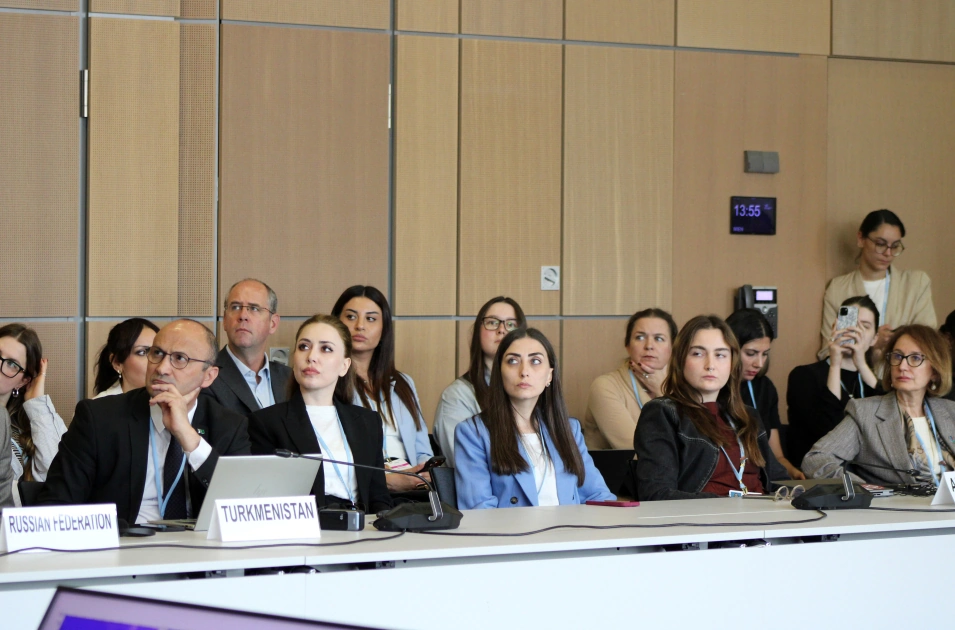
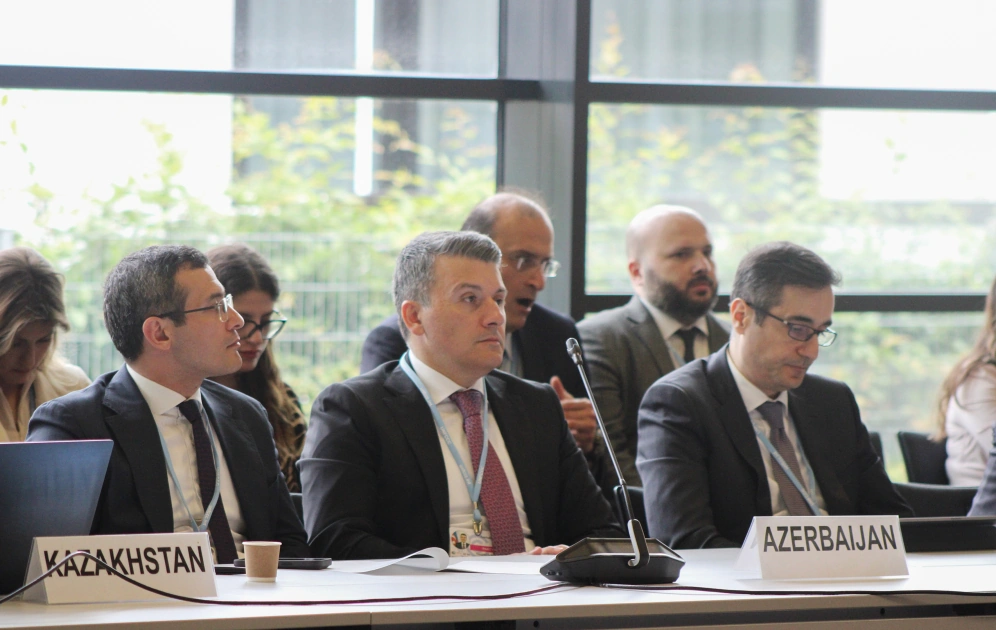
The event took place as part of the United Nations June Climate
Meetings (SB64), held from June 8 to 16.
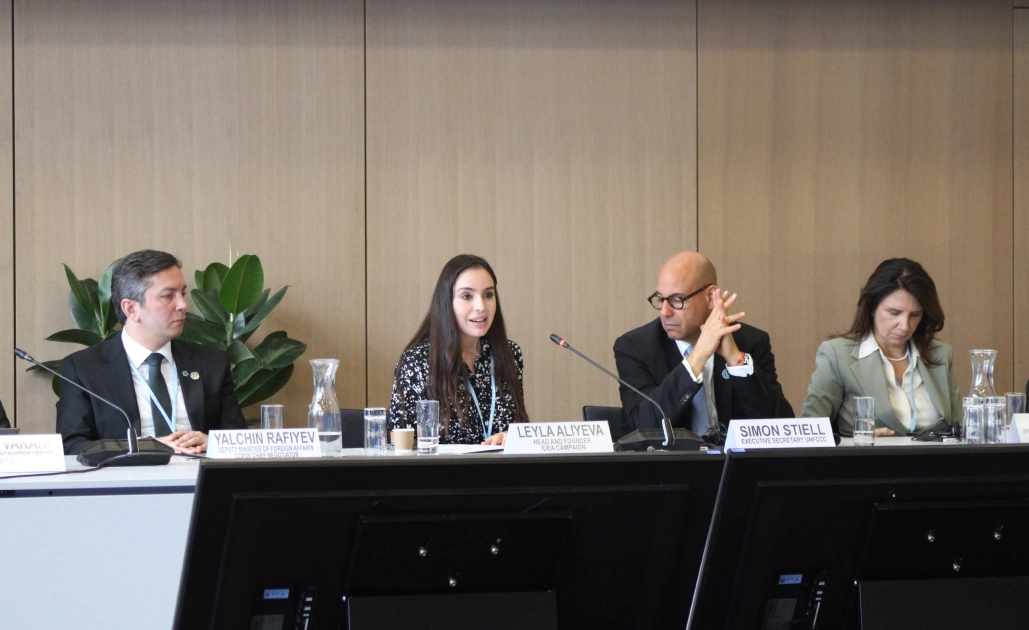
Speaking at the opening of the event, organized jointly by the
IDEA Public Union, the United Nations Environment Programme (UNEP),
the COP29 Azerbaijan Presidency, and the United Nations Framework
Convention on Climate Change (UNFCCC), Leyla Aliyeva emphasized
that seas, rivers, and lakes are among the most vulnerable
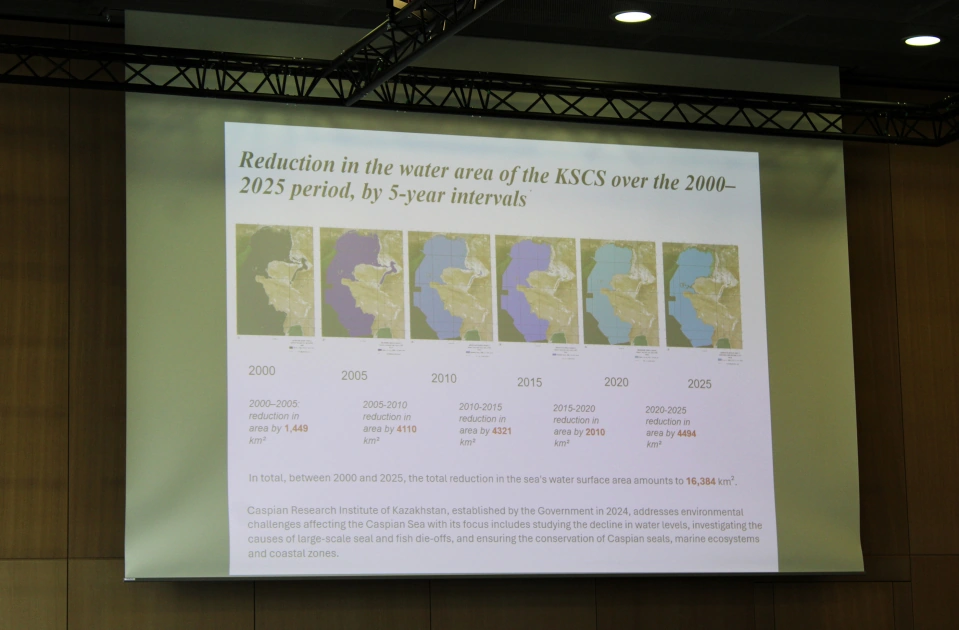
ecosystems on the planet. She drew attention to the declining water
level of the Caspian Sea, the reduction in the population of
Caspian seals and other species, and related environmental
challenges, stressing the need for solutions grounded in knowledge,
expertise, and long-term commitment. She also highlighted various
initiatives undertaken by the IDEA Public Union, including
waterbody clean-up campaigns, fish restocking programs, and the
“One Drop” project. Leyla Aliyeva noted that such efforts
contribute to fostering a responsible approach to water as a vital
resource for life and sustainable development.
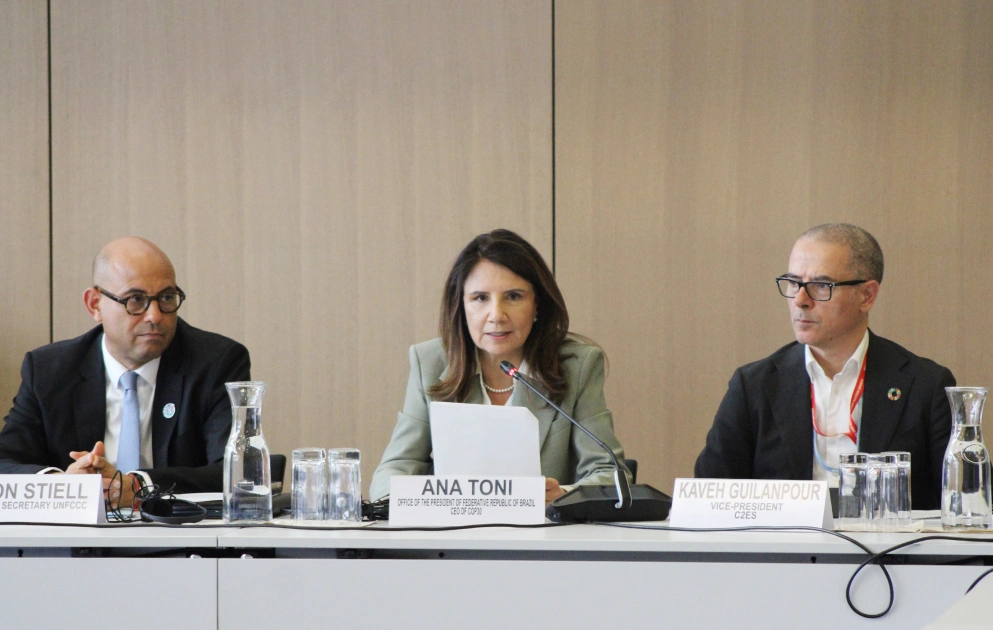
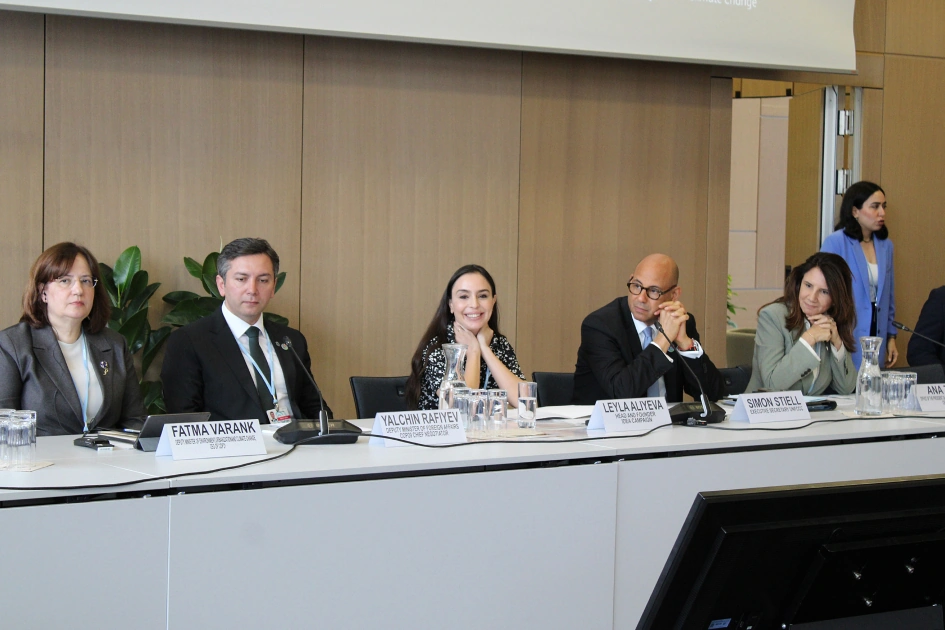
During the official proceedings, Simon Stiell, Executive
Secretary of the United Nations Framework Convention on Climate
Change (UNFCCC); Fatma Varank, CEO of COP31 and Deputy Minister of
Environment, Urbanization and Climate Change of Türkiye; and Ana
Toni, CEO of COP30, underscored the need to maintain international
attention on the challenges arising from the declining water level
of the Caspian Sea and the ecological sustainability of endorheic
water bodies within the global climate agenda.
The discussions continued in a panel session format.
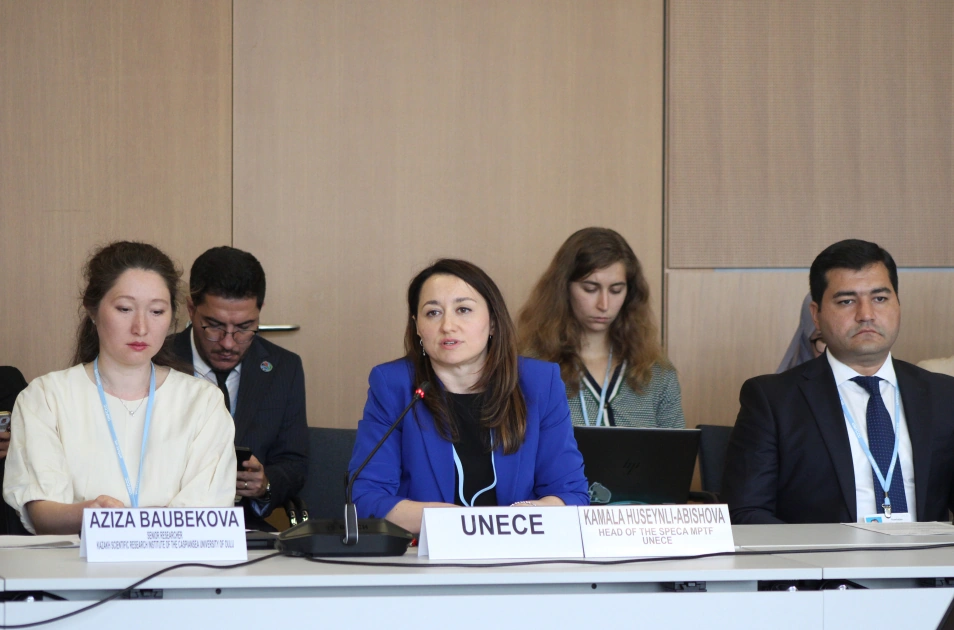
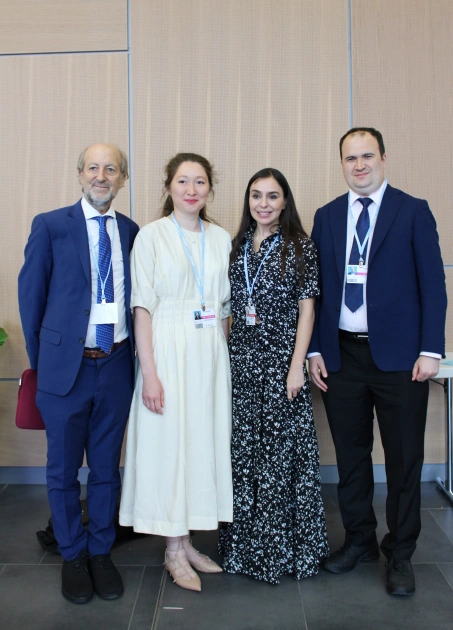
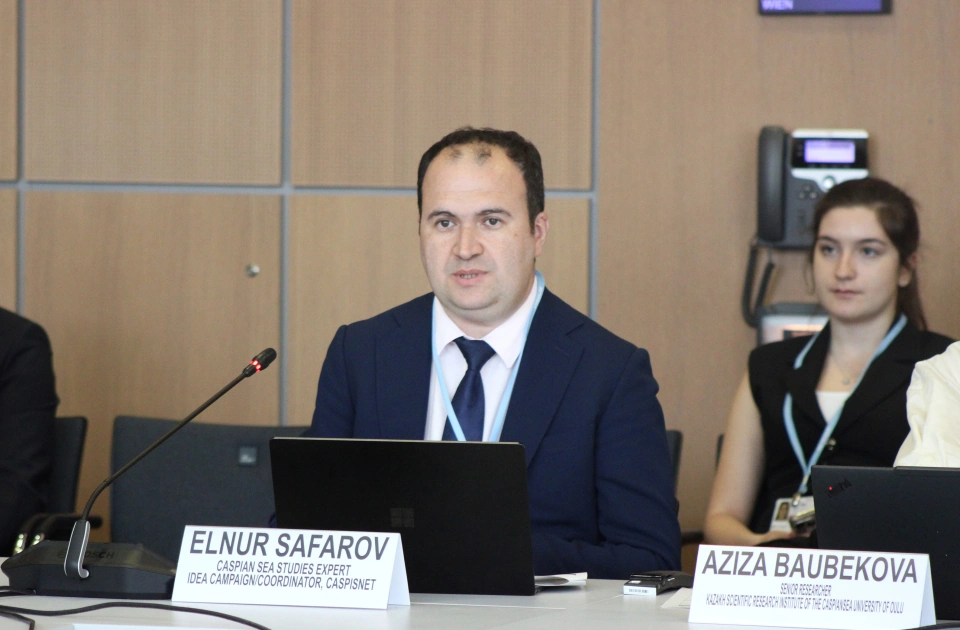
Participants included Yalchin Rafiyev, Deputy Minister of
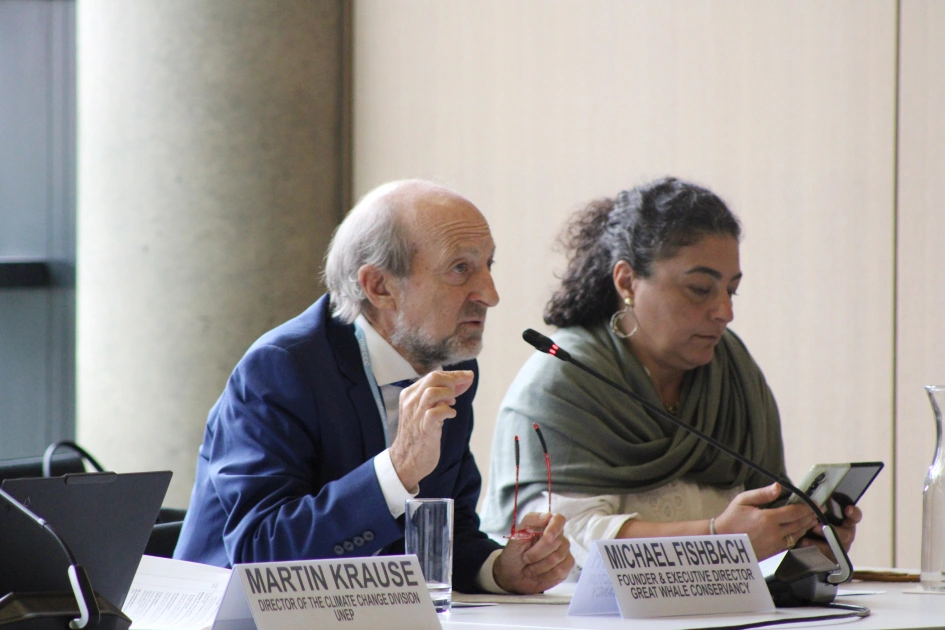
Foreign Affairs of Azerbaijan; Martin Krause, Director of the
Climate Change Division of the United Nations Environment Programme
(UNEP); Michael Fishbach, Founder and Executive Director of the
Great Whale Conservancy; Elnur Safarov, expert at the IDEA Public
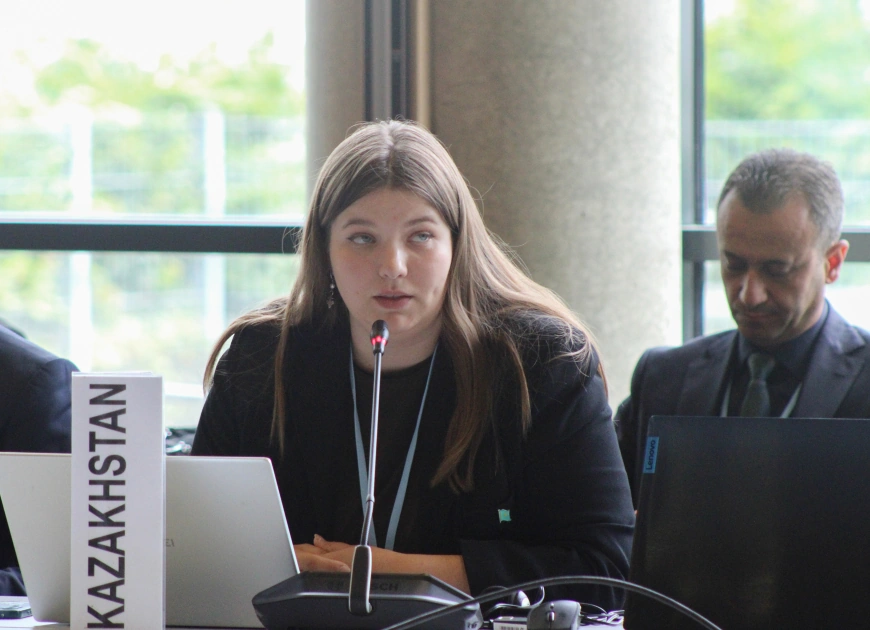
Union; Aziza Baubekova, researcher at the Kazakh Research Institute
of the Caspian Sea and the University of Oulu in Finland; and
Kamala Huseynli, Head of SPECA MPTF at the United Nations Economic
Commission for Europe (UNECE).
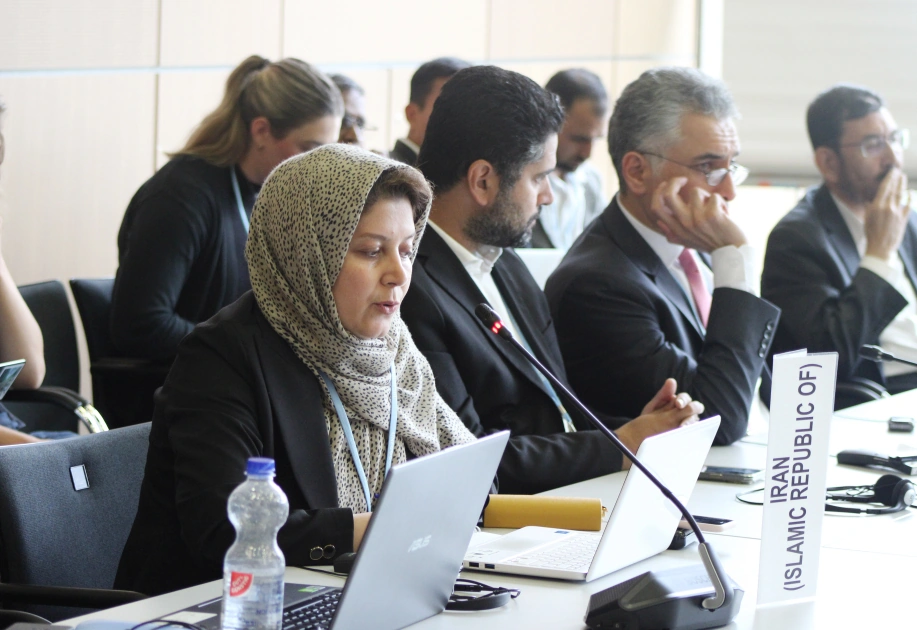
They exchanged views on the environmental, scientific, and
socio-economic impacts of the Caspian Sea’s declining water level.
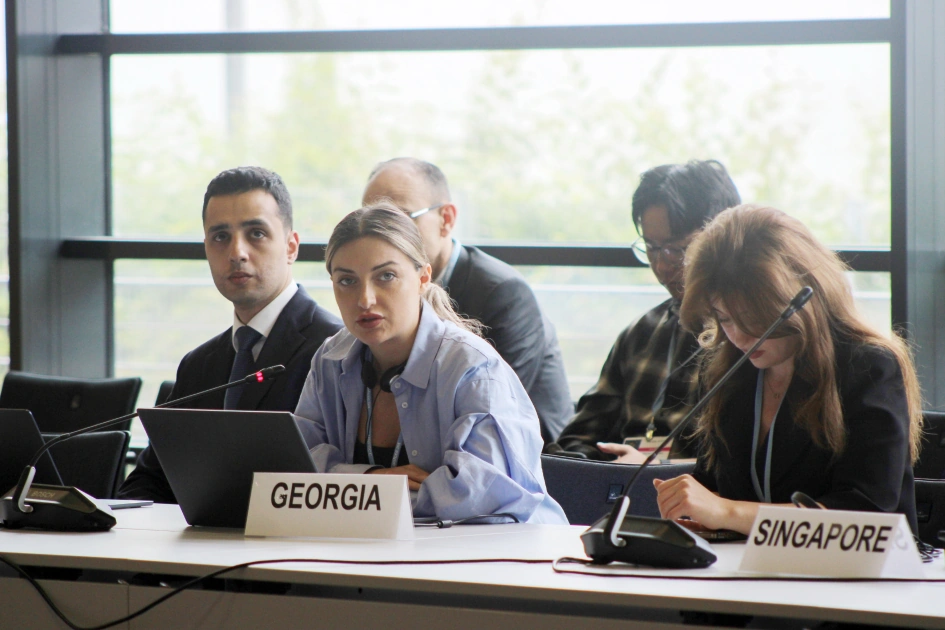
Speakers emphasized that such platforms are particularly important
for sharing scientific knowledge and expertise, as well as for
fostering new partnership opportunities.
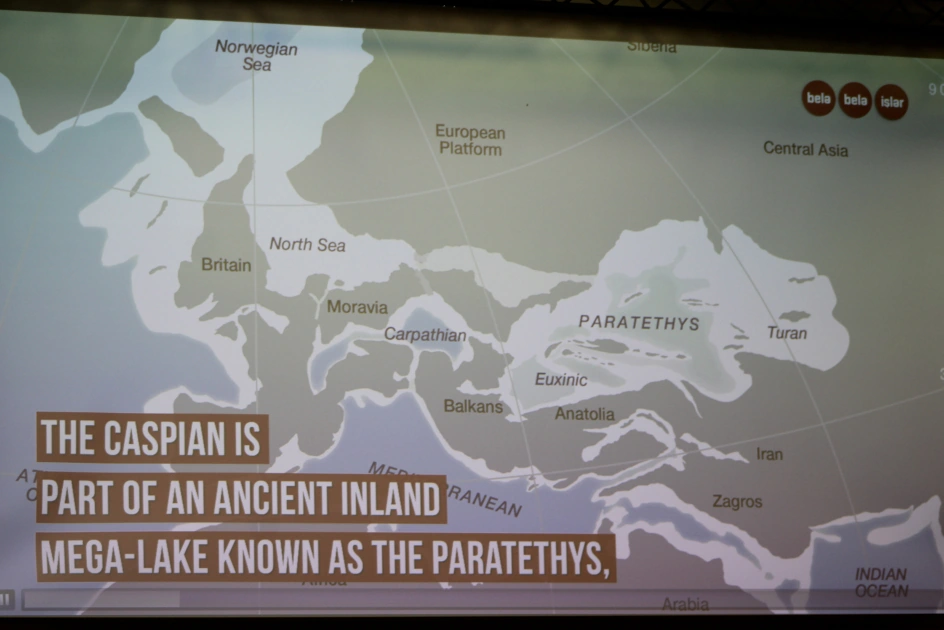
A short documentary on the Caspian Sea’s environmental
challenges was also screened during the event, which concluded with
an interactive Q&A session.