BAKU, Azerbaijan, June 12. Increased freight
traffic in the Middle Corridor is creating new opportunities for
Kazakhstan
This is stated in a report by the Organization for Economic
Cooperation and Development (OECD) titled “Kazakhstan: Accelerating
Sustainable Infrastructure Investments.”
The document notes, nevertheless, that Kazakhstan’s plans to
become one of the main transit hubs in the Middle Corridor are
hampered by existing challenges in logistics and
infrastructure.
"Despite investments in transport infrastructure totaling
approximately $35 billion over the past 15 years, Kazakhstan ranks
only 79th out of 139 countries in the 2023 Logistics Performance
Index. This indicates that the country continues to face challenges
in the areas of logistics capacity, intermodal integration, and the
efficiency of transport corridors," the report states.
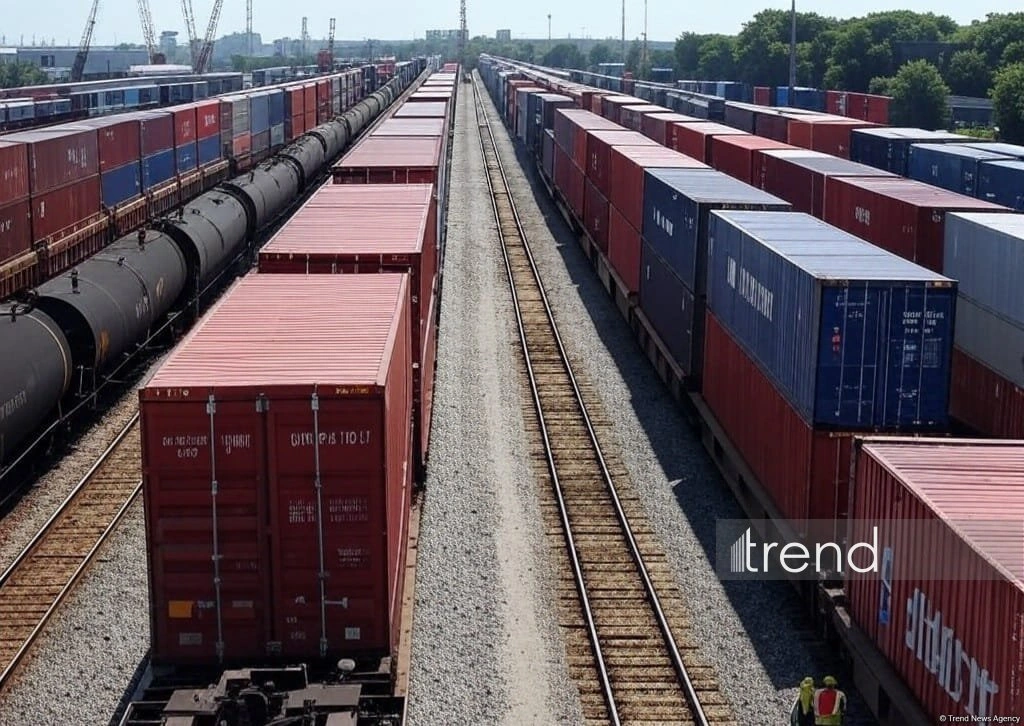
The OECD notes that Kazakhstan aims to become a key transit hub
on the Trans-Caspian International Transport Route (Middle
Corridor), where freight volumes are growing, particularly
following disruptions on northern routes. However, delays, limited
infrastructure capacity, and underdeveloped intermodal connections
complicate trade processes, increase costs, and negatively impact
the country’s role in the Middle Corridor.
The report emphasizes that the Kazakh government’s strategies
through 2030 call for multifaceted investments aimed at developing
road, rail, air, and maritime transport infrastructure, border
crossings, and the modernization of the transport fleet.
At the same time, risks associated with climate change pose an
additional threat to the sustainability of transport
infrastructure. The OECD notes that flooding and the lowering of
the Caspian Sea’s water level could negatively impact the
reliability of transport and logistics systems in the future.
According to the organization, without reducing logistics costs
and strengthening sustainable and uninterrupted transport links
that provide access to global markets, it will be difficult for
Kazakhstan to achieve its goals of becoming a transit hub and
increasing its export potential. In addition, the report emphasizes
the importance of taking into account greenhouse gas emission
reduction targets when expanding transport infrastructure.
The Middle Corridor is a transport and trade route passing
through several countries in the region and connecting Asia with
Europe. It serves as an alternative to the traditional Northern and
Southern Corridors.
The route begins in China and passes through the countries of
Central Asia. It then crosses the Caspian Sea, Azerbaijan, Georgia,
and Türkiye before reaching Europe. The Central Corridor is a land
route that bypasses the longer sea routes connecting the eastern
regions of Asia, including China, with Europe.