In a recent article, Turkish broadcaster TRT World explores the erosion of France’s longstanding influence in Africa. Caliber.Az highlights the most noteworthy points from the piece.
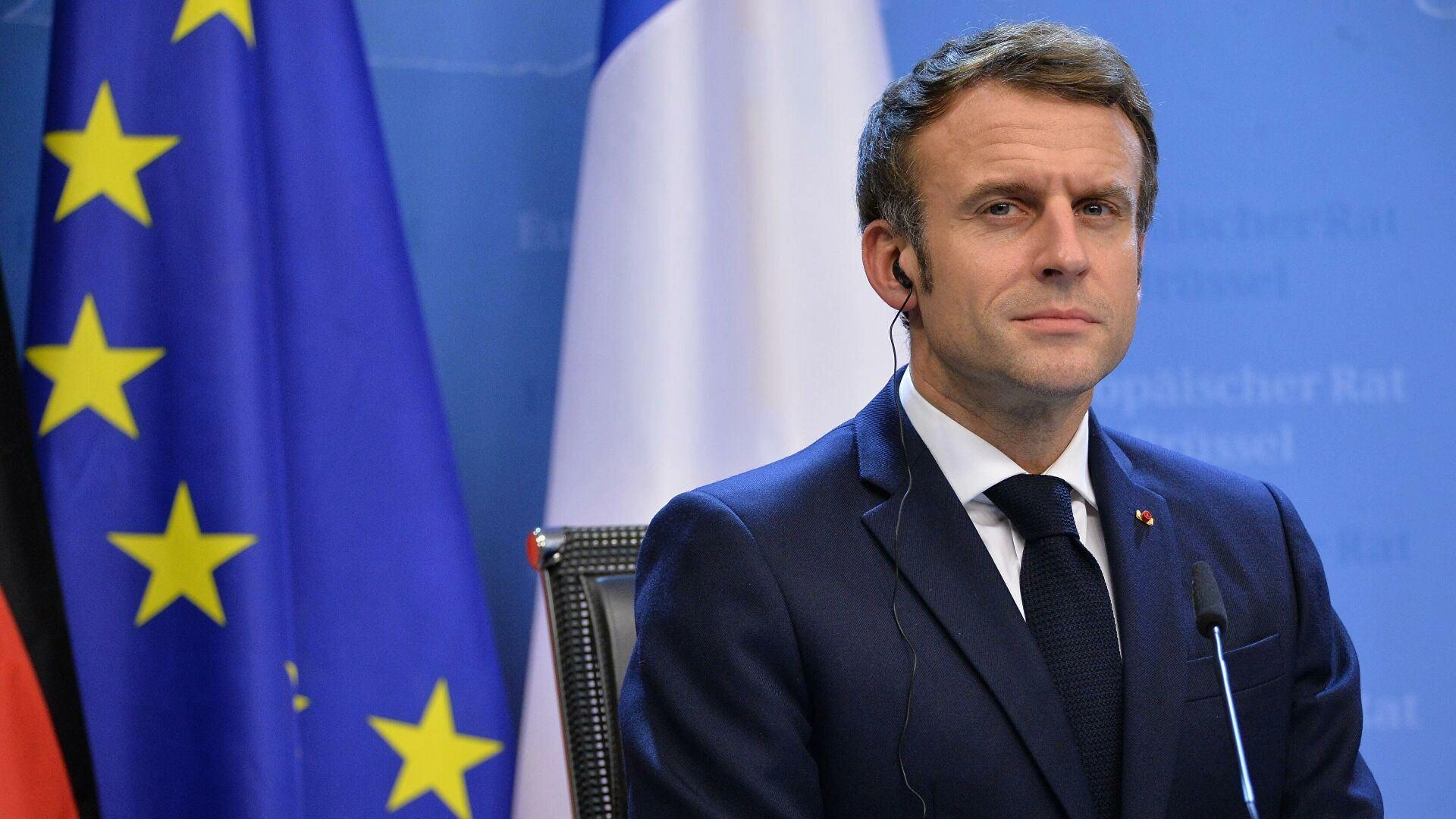
When French President Emmanuel Macron arrived in Nairobi in May 2026 for the Africa Forward Summit, he brought an ambitious offer: €23 billion in investment commitments, promises of equal partnership, and a message that France was ready to turn a new page in its relationship with Africa.
Yet for many observers across the continent, the question was less about what Macron brought than about what France left behind.
Over the previous three years, France had been pushed out of a string of African countries. Military leaders in Mali, Burkina Faso and Niger expelled French troops.
Chad followed suit. Even long-standing partners, such as Senegal and Côte d’Ivoire, requested a reduction or withdrawal of France’s military presence.
The retreat marked one of the most dramatic setbacks for French influence in Africa since independence.
It also raised a deeper question: can France genuinely reinvent its relationship with Africa, or is it merely seeking new partners after losing old ones?
A declaration that raised eyebrows
One moment at the Nairobi summit captured the tensions surrounding France’s renewed engagement with Africa.
“We are the true Pan-Africanists,” Macron declared.
The remark quickly drew attention. Pan-Africanism is rooted in struggles against colonialism, slavery and racial domination.
It is associated with figures such as Kwame Nkrumah, Julius Nyerere and Thomas Sankara.
For some, hearing France’s president invoke Pan-Africanist language highlighted how difficult it remains for Paris to navigate its complex history with Africa.
That history continues to shape perceptions of France across much of the continent today.
Unlike Britain’s largely indirect model of colonial administration, France pursued a more ambitious assimilation project. The objective was not merely political control but cultural transformation.
“The French perpetuated a culture of France in these countries, where people were socialised into believing that they could become French citizens,” Christopher Like, Professor of African Politics and International Relations at the University of Pretoria, tells TRT Afrika.
“In practice, what this meant was that many African leaders were propped up by French support in exchange for access to their countries’ resources. What that perpetuated was corruption and authoritarianism.”
Following independence, France retained influence through a system that became known as Françafrique.
One of the most visible symbols was the CFA franc, the currency used by 14 African countries and historically linked to France through monetary agreements.
“Many of France’s former colonies had their central banks controlled by France,” says Like.
“When they needed money for development, they would go to France to apply for loans and France would determine how much to give them, even though this was their own money. When you know that, you begin to understand some of the anti-French sentiments you see in Francophone Africa today.”
Looking east
The collapse of French influence in the Sahel marked the end of an era in a region once regarded as central to France’s African strategy.
Faced with declining influence in its traditional sphere, France has increasingly looked beyond Francophone Africa.
The decision to host the Africa Forward Summit in Kenya was widely interpreted as part of that shift.
For some analysts, however, the choice raises questions.
“What would have conveyed genuine remorse and genuine partnership would have been to return to those countries where France has had difficult relationships,” says Like.
“Instead, France appears to be pivoting toward Anglophone Africa. Is this a genuine desire to engage more broadly, or is it simply a case of ‘if I am not wanted here, I will go somewhere else’?”
Russia has expanded its footprint in parts of the Sahel following France’s departure.
China continues to deepen its infrastructure and investment presence through the Belt and Road Initiative. Türkiye has significantly expanded diplomatic, economic and security partnerships across the continent.
With more options, African governments have greater bargaining power and increasing confidence in defining the terms of engagement.
Partnership or dependency?
At the heart of France’s new Africa strategy lies investment.
The €23 billion package unveiled in Nairobi covers sectors including energy, agriculture and artificial intelligence.
For Paris, it represents a new model of engagement centred on economic cooperation.
But questions remain about who will determine how those funds are used.
“There can be partnership, but is it an equal partnership? Or is it one where one side continues to take instructions from the other?”
“Those strategies must be Africa-led. France should not define where the money goes or what conditions are attached to it.
Governments across Africa are increasingly willing to challenge external partners when national interests are perceived to be at stake.
“We are going to have relationships. But we must behave like sovereign countries, negotiate like sovereign countries and put the interests of our people first,” says Oguzu.