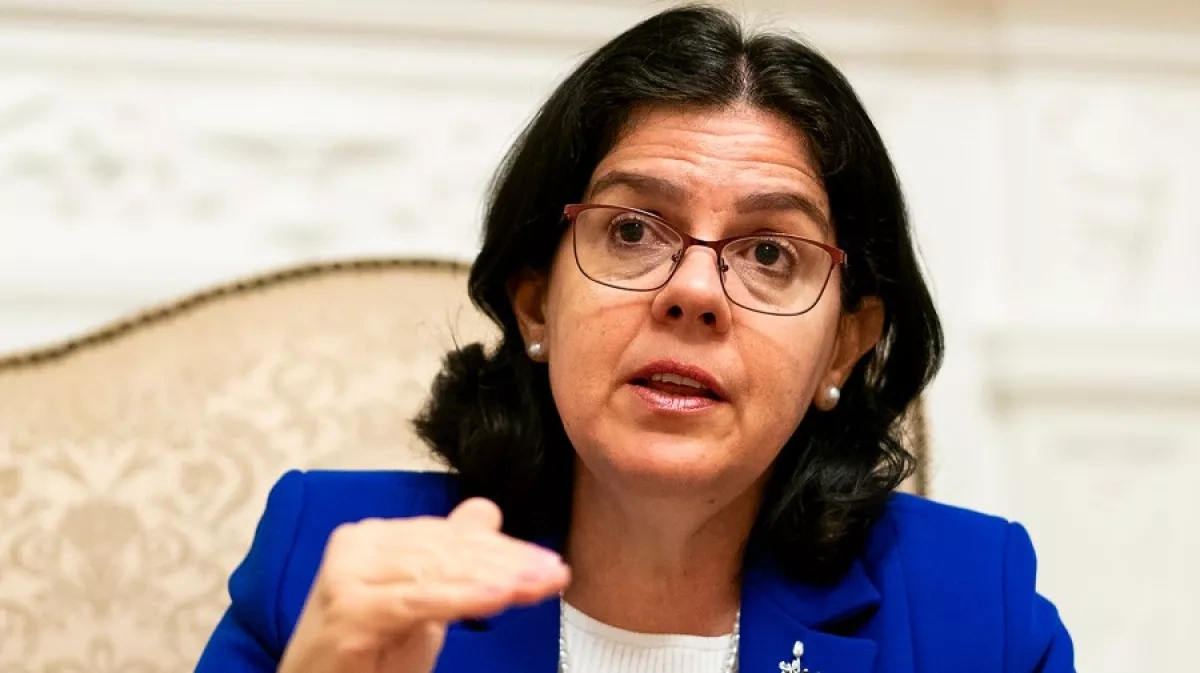
Cuba’s ambassador to the United States, Lianys Torres Rivera, has described US sanctions and political pressure on Havana as a “war without bombs.”
In an interview with the Associated Press, she said that sanctions imposed by Washington on Cuban leadership and accusations involving former president Raúl Castro are being used by the administration of US President Donald Trump as a pretext to convince Americans of the need for military intervention in Cuba.
“The sanctions against our leaders, we see as a pretext to make the American people think we are a threat,” Torres Rivera said. “We are not a threat to the U.S., and we don’t want confrontation.”
She added that Havana views US sanctions and restrictions on energy supplies as part of broader pressure on the country.
Torres Rivera also warned that any attempts to change Cuba’s political system through coercion or force would face strong resistance.
“Raúl is a sacred symbol of the revolution, and we will defend Raúl — as we will the country — until the end,” Torres Rivera said. “If we are attacked, we are going to respond, and we are prepared for that. But we don’t want it.”
Her comments reflect a view shared by many Cubans and analysts that the accusations against Castro and the sanctions imposed on senior officials in Cuba’s government are being used in a broader political narrative similar to one previously used to justify military intervention in Venezuela after the removal of then-President Nicolás Maduro.
Trump has been threatening military action against Cuba since the removal of Maduro and following the imposition of an energy blockade that has cut off fuel supplies to the island. This has triggered severe blackouts, shortages of food, and a broader economic collapse across the country.
Torres Rivera said the Trump administration’s efforts to tighten pressure on Cuba’s already struggling economy have caused immense suffering for ordinary citizens, who are facing electricity outages lasting up to 20 hours a day and sharply rising prices for fuel, kerosene, and basic necessities such as food and medicine.
By Jeyhun Aghazada