BAKU, Azerbaijan, June 8. The
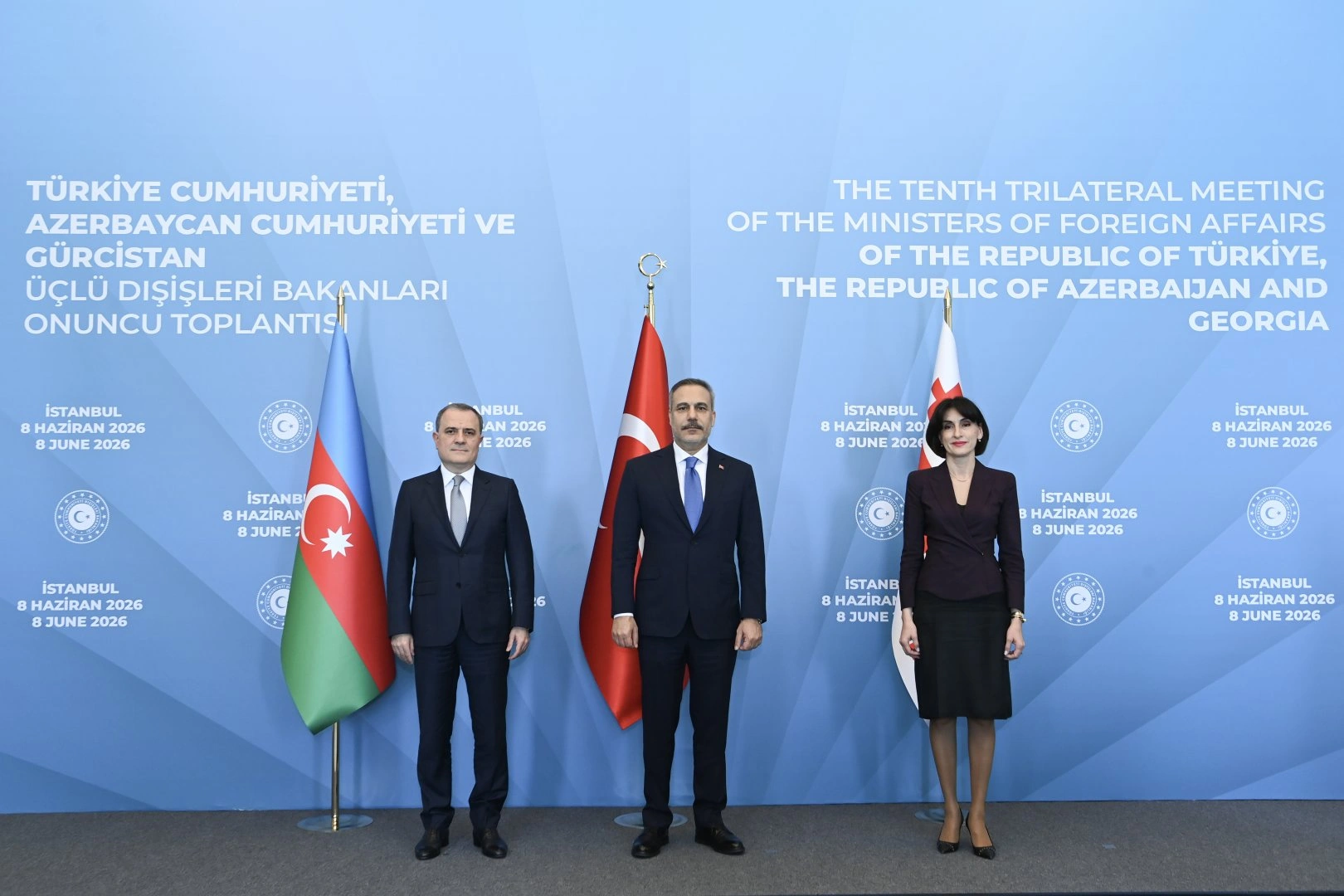
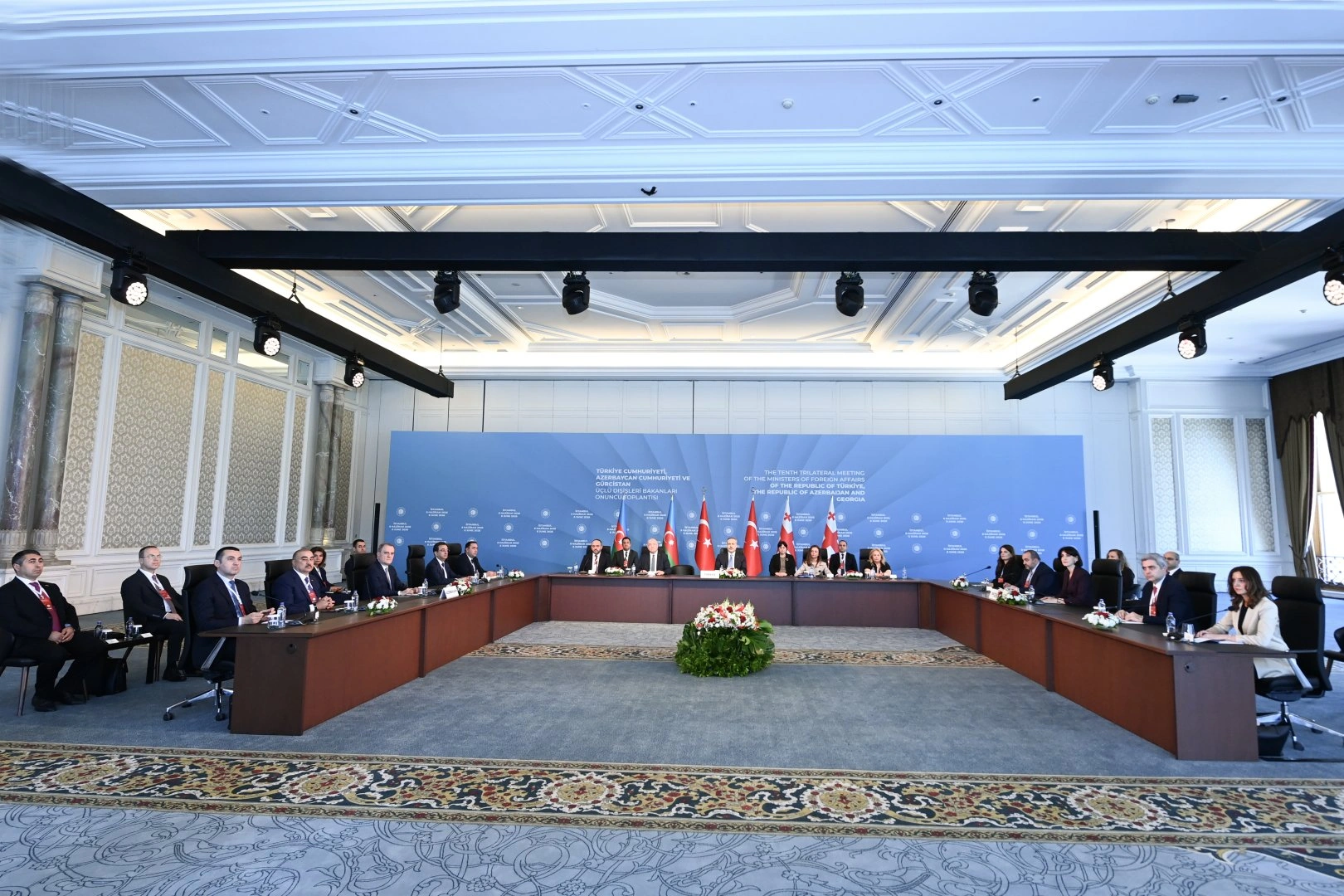
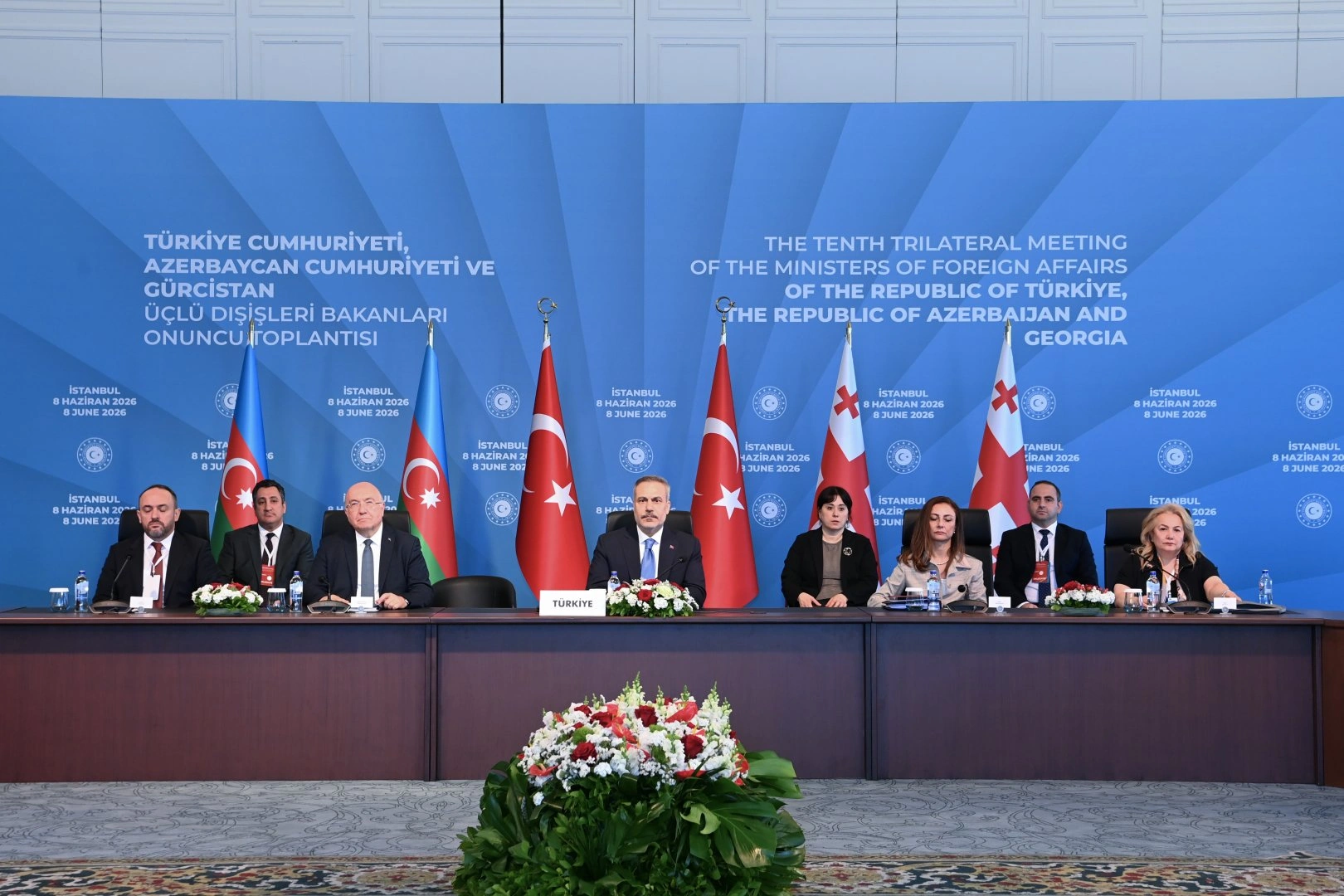
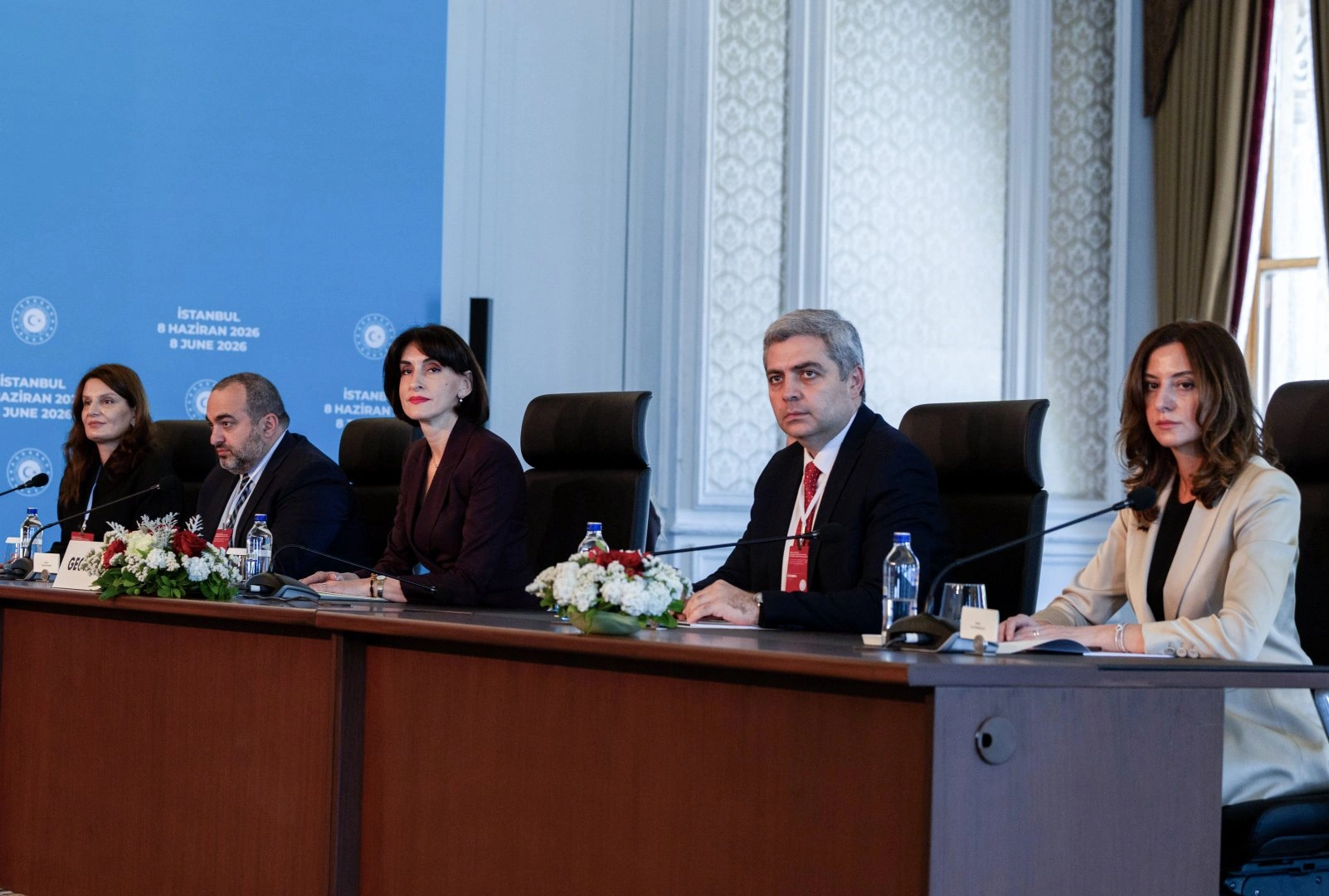
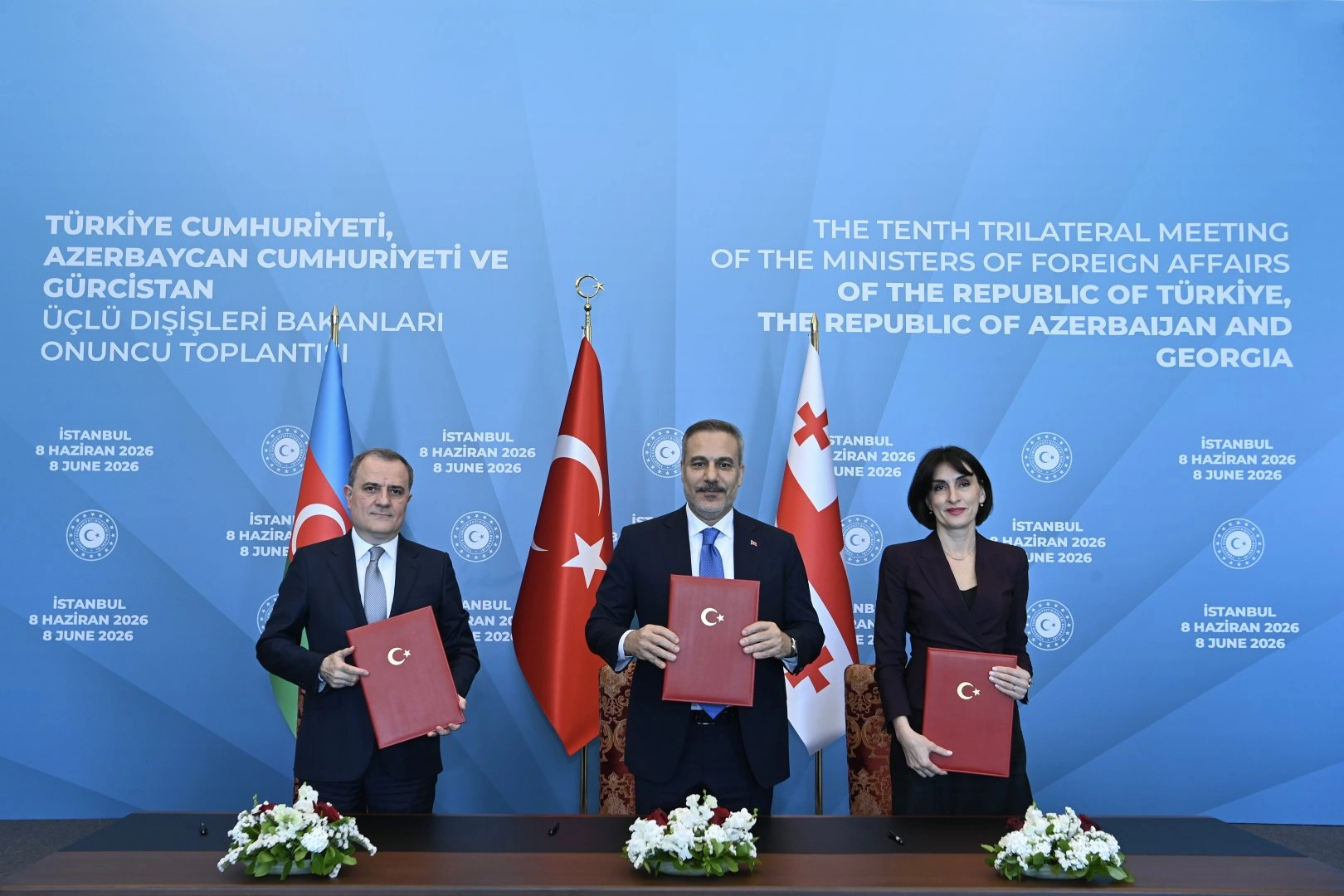
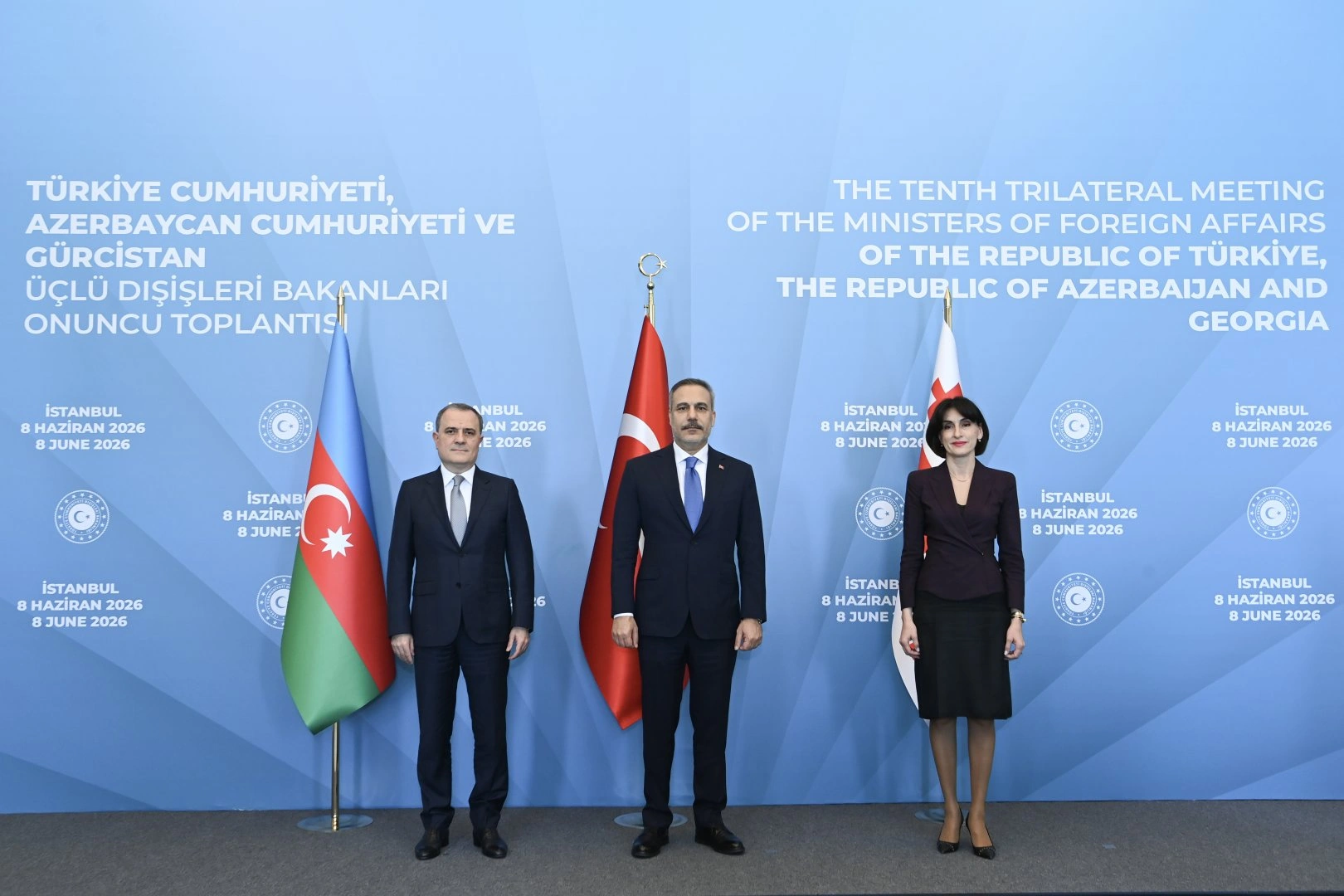
10th trilateral meeting of the Foreign Ministers of Azerbaijan,
Georgia, and Türkiye was held in Istanbul, with the participation
of the Azerbaijani Foreign Minister Jeyhun Bayramov, the Minister
of Foreign Affairs of Georgia Maka Botchorishvili, and the Minister
of Foreign Affairs of Türkiye Hakan Fidan, a source in the Ministry
of Foreign Affairs of Azerbaijan told Trend.
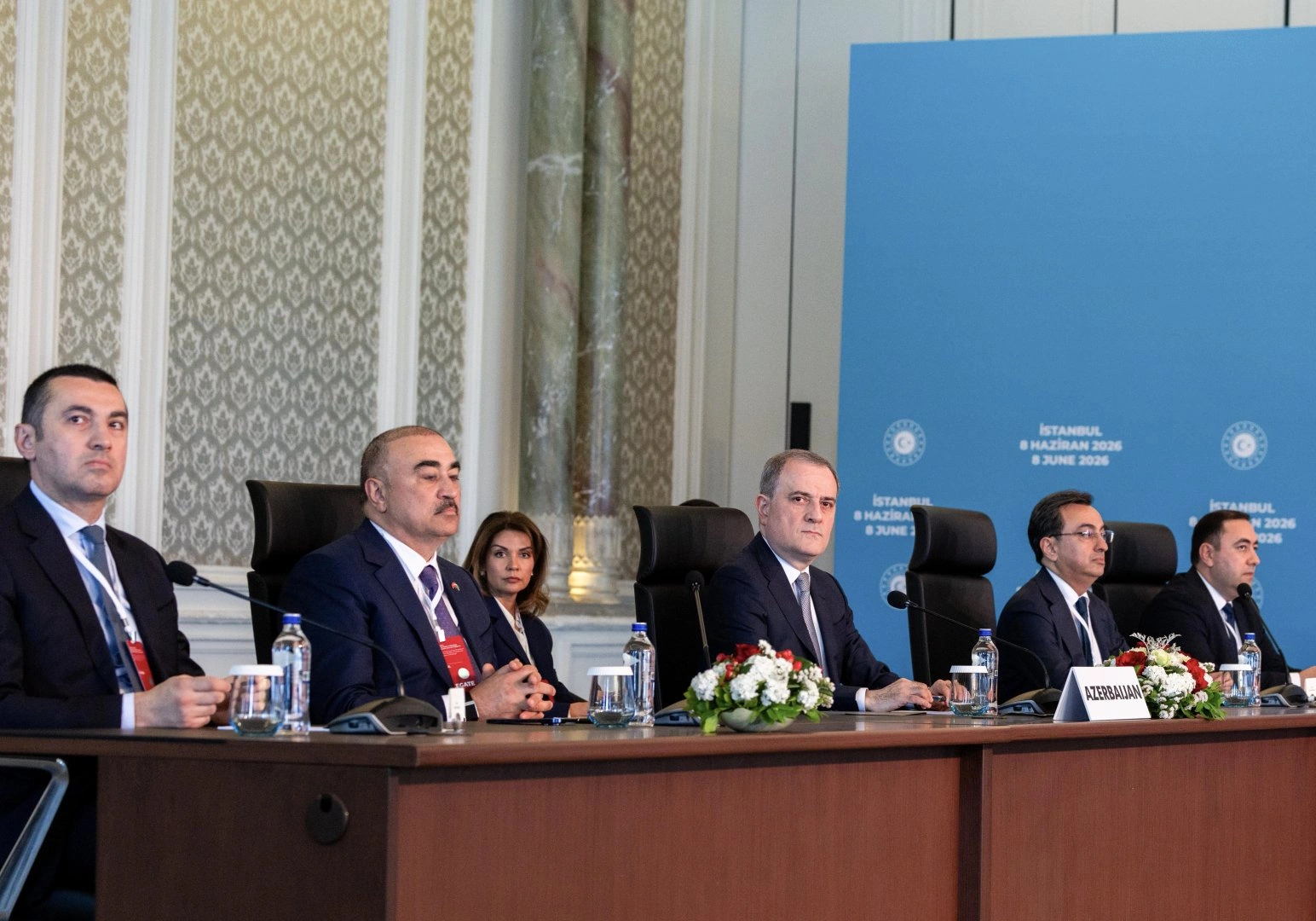
Meanwhile, speaking at the meeting, Bayramov emphasized the
special importance of political coordination and interaction
between the countries in the current international environment,
against the background of increasing geopolitical tensions,
difficulties in supply chains, and economic uncertainties. In this
regard, it was noted that the Azerbaijan-Georgia-Türkiye trilateral
cooperation format is an important platform for regional stability,
security, and development.
During the speech, it was emphasized that the 10th trilateral
meeting of the Foreign Relations Committees of the Parliaments in
Baku, the seventh Business Forum in Georgia, and the last
trilateral meeting of the Defense Ministers in Ankara demonstrated
that the partnership of the countries has become comprehensive and
multifaceted.
The speech pointed out that Azerbaijan-Georgia-Türkiye
cooperation is one of the main driving forces of regional stability
and economic development, and the successful implementation of
strategic projects such as the Baku-Tbilisi-Ceyhan oil pipeline,
the Baku-Tbilisi-Erzurum gas pipeline, the Southern Gas Corridor,
and the Baku-Tbilisi-Kars railway demonstrates the result-oriented
nature of the partnership.
The minister noted that cooperation in the energy sector is one
of the main directions of the trilateral partnership. It was
emphasized that Azerbaijan currently exports natural gas to 16
countries, and it was noted that the extension of the natural gas
purchase and sale agreement between Azerbaijan and Georgia, as well
as the agreement reached between SOCAR and BOTAŞ on gas supplies
from the second stage of the Absheron field, will make a
significant contribution to strengthening energy security.
Touching upon cooperation in the field of transport and
connectivity, the minister noted that the three countries play an
important role in the development of the Trans-Caspian
International Transport Route (Middle Corridor). It was stressed
that the completion of the modernization of the Baku-Tbilisi-Kars
railway and the resumption of Baku-Tbilisi-Baku passenger train
services will make an additional contribution to regional mobility.
At the same time, it was noted that the implementation of the TRIPP
project and ensuring unhindered communication between the main part
of Azerbaijan and the Nakhchivan Autonomous Republic are important
elements of regional cooperation and confidence-building.
The speech highlighted the significant potential for expanding
cooperation in the fields of ICT, high technologies, agriculture,
water resources management, and tourism. It also highlighted the
importance of closer coordination in the face of challenges such as
security, counter-terrorism, transnational organized crime, cyber
threats, and climate change.
Bayramov reiterated his country's support as Türkiye prepares to
host the 31st session of the Conference of the Parties to the
United Nations Framework Convention on Climate Change (COP31).
The minister underscored Azerbaijan's readiness to continue
cooperation with Türkiye and Georgia for the further deepening of
the trilateral partnership and for the sustainable development,
security, and prosperity of the region.
The speech also touched upon the process of normalization of
relations with Armenia. It was noted that Azerbaijan's
peace-building initiatives and confidence-building measures have
made a significant contribution to advancing the normalization
agenda. At the same time, the importance of resolving outstanding
issues that impede the full normalization of relations to turn the
existing opportunity into lasting peace was emphasized.
The minister noted that the ongoing tensions in the Middle East
have a negative impact on regional and global security, and drew
attention to the importance of resolving conflicts based on the
norms and principles of international law, through dialogue and
diplomatic means.
At the meeting, the ministers discussed the prospects for the
further development of trilateral cooperation and other regional
security issues.
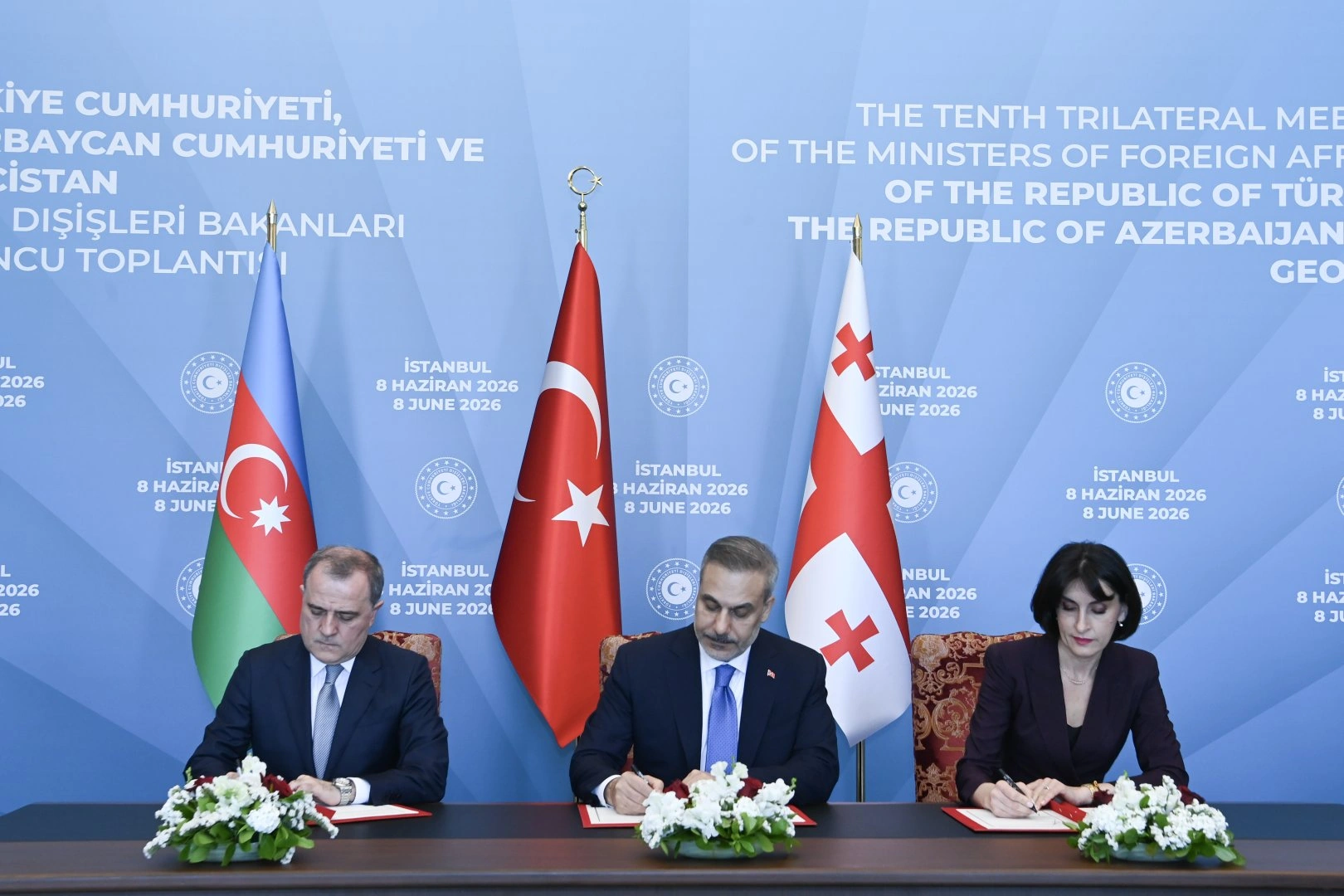
At the end of the trilateral meeting, the ministers signed the
Istanbul Declaration on the meeting results.
Later, the ministers made a statement at a press conference and
answered questions from the media.