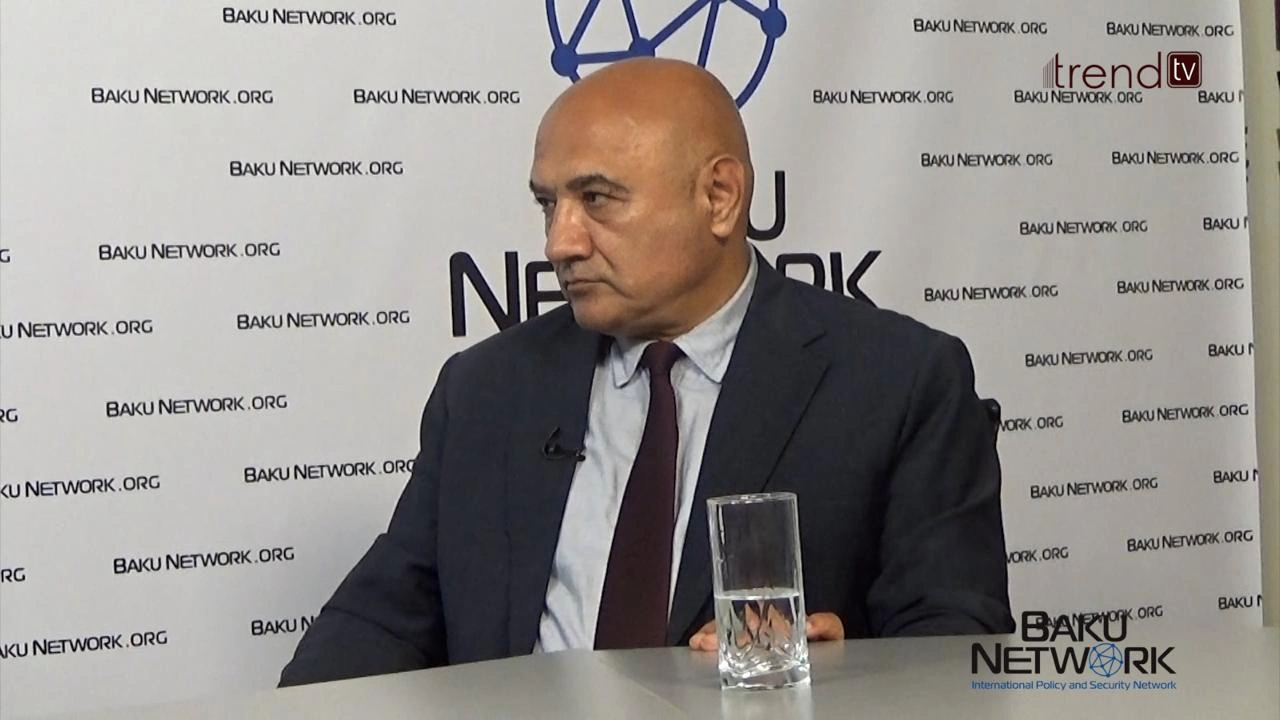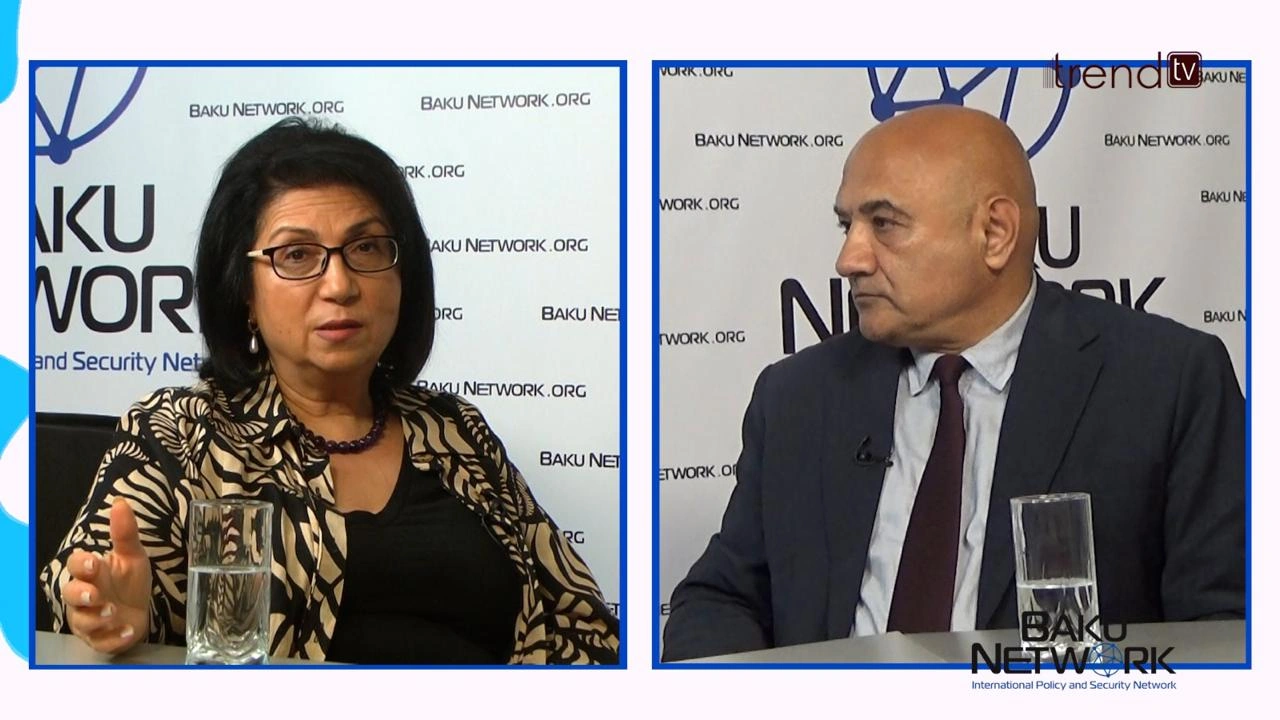
BAKU, Azerbaijan, June 8. A new episode of the
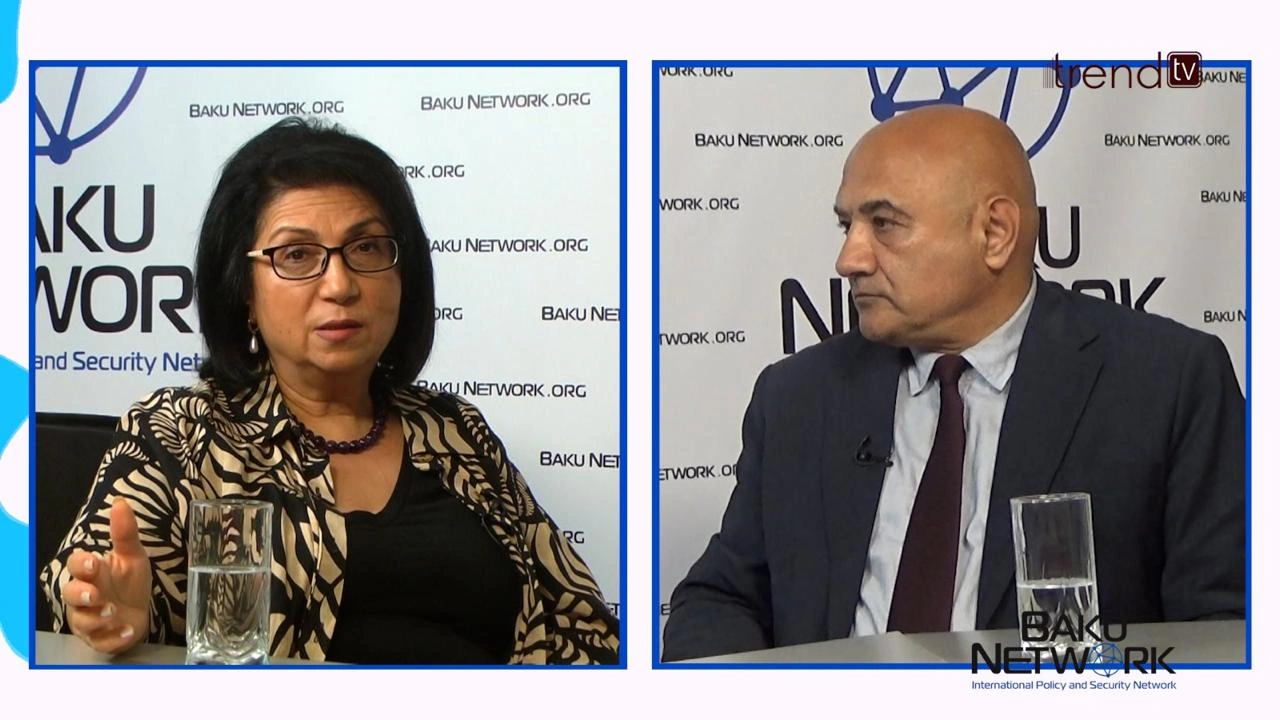
analytical video project "Dialogue with Tofig Abbasov" has been
broadcast on the Baku Network expert platform.
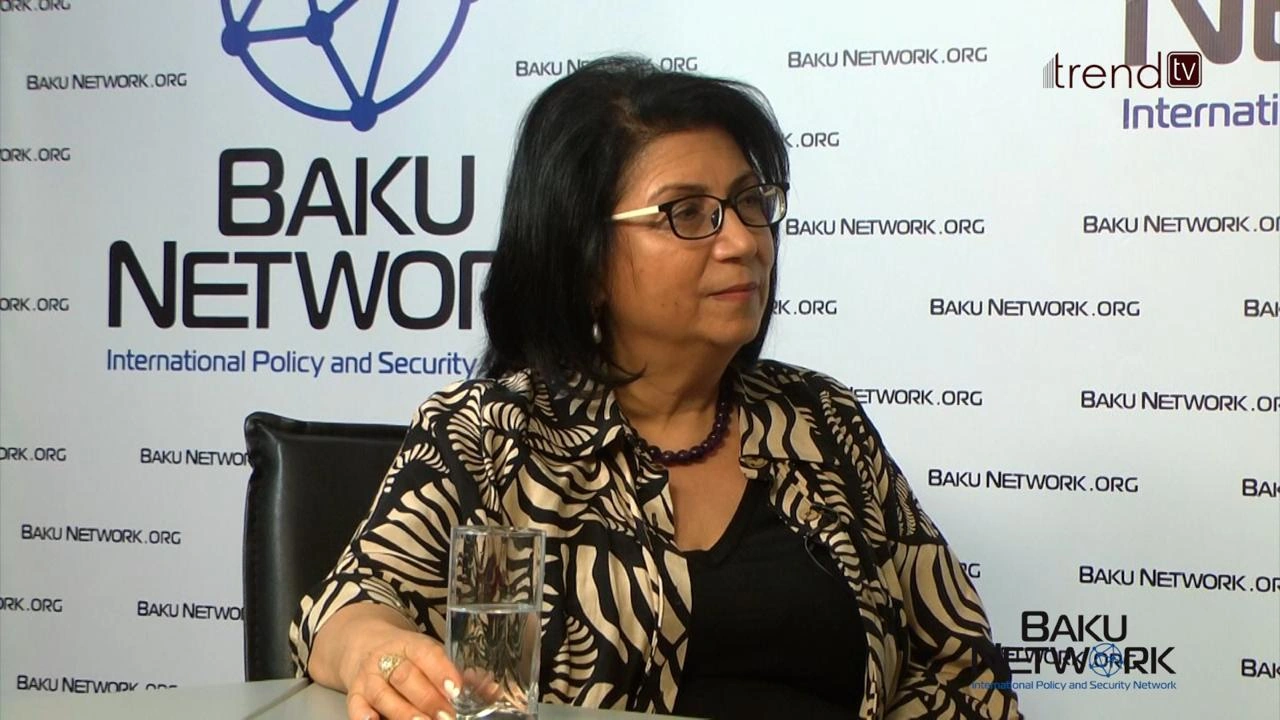
The guest of the program was Lala Huseynova, Vice-Rector of the
Azerbaijan National Conservatory.
During the conversation, she touched upon the role of youth in
cultural development, the significance of national identity,
patriotic education, as well as the prospects for peace and
coexistence in the South Caucasus.
Lala Huseynova expressed confidence that the future of
Azerbaijani musical art is in safe hands.
"When I see talented young people, I realize that a very good
replacement is coming. Our musical art, particularly where I teach,
is in good hands. Our task is to pave the way for them, help them,
and be good mentors so that they do not feel alone in their
creative pursuits," she noted.
At the same time, Huseynova emphasized that music itself
remains a special form of communication between nations.
"If you want to understand a nation through its feelings,
listen to its music. Then it will become clear how people
experience and perceive the world. When we talk about Azerbaijani
mugham, we are talking about our way of life, thinking, and our
mentality," she stated.
Speaking about the 44-day Patriotic War, she recalled that
among the martyrs was a student of the Azerbaijan National
Conservatory—a talented musician and tar player who volunteered to
go to the front.
"He was an excellent master's student and tar player. He joined
the military service voluntarily. These young people looked death
in the eye very calmly. He was a person who was ready to defend his
identity, his Motherland," she said.
According to Huseynova, the war demonstrated a high level of
solidarity within Azerbaijani society.
"The society showed a degree of solidarity that we ourselves
did not expect. Azerbaijanis all over the world united. We have
wonderful youth—educated, erudite, and well-aware of their
history," she emphasized.
Speaking about the future of the region, Lala Huseynova
stressed that the South Caucasus needs peace; however, a lasting
peace is impossible without preserving historical memory and having
an objective understanding of the past.
At the same time, she noted that it is crucial not to forget
the lessons of history.
According to her, the younger generation should be raised in a
spirit of respect, but at the same time, they must know the history
of their country well and understand the risks Azerbaijan has
faced.
"We need to call things by their names, remember the past, and
be able to predict the future steps of neighbors and partners. But
at the same time, it is necessary to learn to live in peace and,
above all, to see the human being," she said.
Lala Huseynova also highlighted that Azerbaijan historically
possesses strong traditions of statehood.
"Why was Azerbaijan able to solve the tasks before it so
effectively? Because we historically have a developed state
mentality. We know how to build a state, maintain it, and, when
necessary, fight for it," she stated.
The Vice-Rector noted that the rich history, culture, mugham,
language, and national memory have kept the Azerbaijani people on
their land for centuries.
"Without this, we would not have survived as a nation. Perhaps
we would have dissolved among others. Many passed through these
lands, but devotion to one's land remained unchanged," Huseynova
said.
In conclusion, she emphasized that the main lesson for future
generations should be the cultivation of dignity, memory, and the
capacity for peaceful coexistence.
"The most important thing is to instill kindness in new
generations and a desire for what unites people, rather than
divides them. There is no other way," Lala Huseynova concluded.
Trend presents
the full video recording of the program: