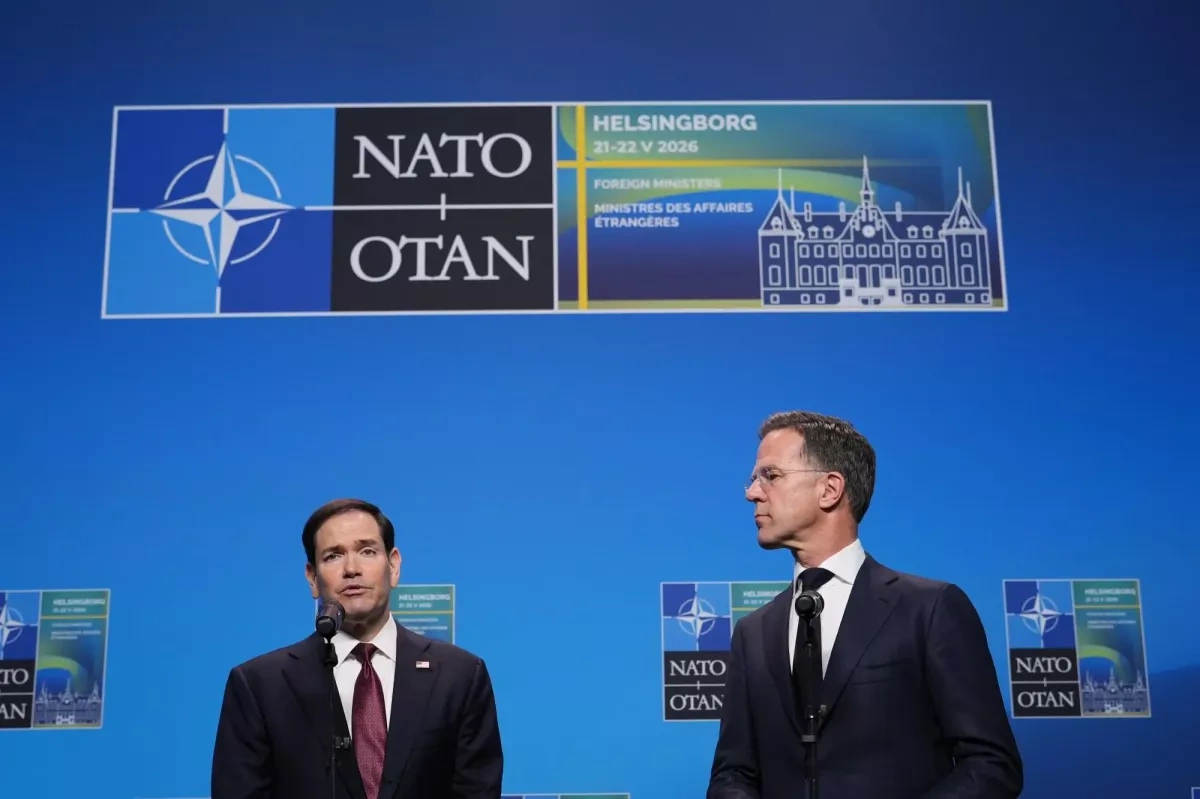
As NATO foreign ministers gathered in Sweden this week, much of the attention focused on the increasingly mixed signals coming from United States over its military presence in Europe. The meeting in Helsingborg on May 22 came amid growing uncertainty about Washington’s long-term strategy toward the alliance, as the Trump administration issued a series of seemingly contradictory decisions within days of one another.
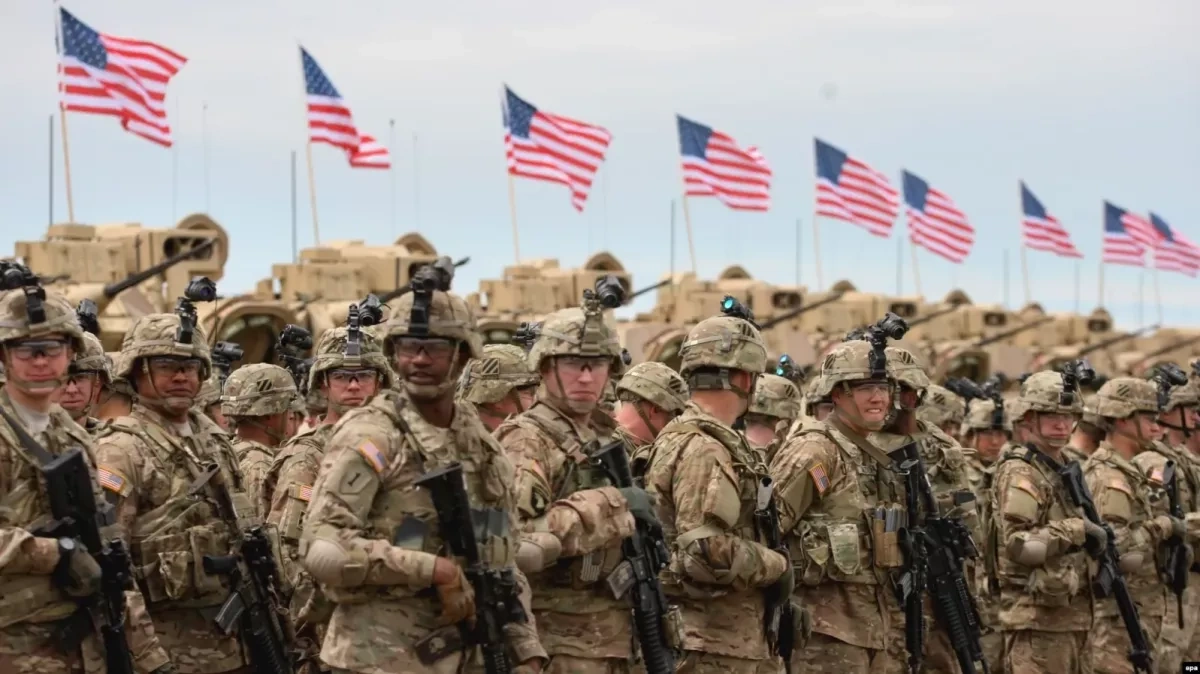
On the eve of the summit, US President Donald Trump announced on social media that Washington would deploy an additional 5,000 troops to Poland, marking a sharp U-turn from Washington's previously stated policies.
The move matched the number of troops the administration had recently indicated it planned to withdraw from Germany, as Trump grew increasingly frustrated with what he viewed as European hesitation to become more directly involved in the conflict with Iran.
Speaking at the NATO gathering, US Secretary of State Marco Rubio insisted that the reassessment of America’s military footprint in Europe predated tensions over Iran and was part of a broader strategic review.
“The United States has global targets in terms of our force deployment, and that constantly requires us to re-examine where we put troops, and this is not a punitive thing,” Rubio told reporters, as cited by The Washington Post. “That’s a process that will continue, I think, in a very positive and productive way.”
Still, Rubio acknowledged that Trump’s “disappointment” with European leaders over Iran “would have to be addressed.”
NATO secretary Mark Rutte welcomed Trump’s announcement regarding Poland but emphasized that NATO commanders were still “working through the details.”
He also stressed that the move did not alter the broader trajectory of reducing Europe’s reliance on American military power.
“Let’s be clear,” Rutte said, NATO remains on a
European officials have largely sought to play down the significance of the recent troop shifts, arguing that a gradual reduction of US forces is expected as European allies assume greater responsibility for their own defence.
Warry European continent
At the same time, however, European governments have spent months pressing the Pentagon to ensure any withdrawal is carefully coordinated to avoid exposing security gaps on the continent.
According to analysis by The Washington Post, those efforts are increasingly colliding with Trump’s more unpredictable approach toward long-standing US alliances.
Earlier this month, defence Secretary Pete Hegseth abruptly canceled the deployment of an armored brigade to Poland — a country the Pentagon has frequently described as a “model ally.”
The decision reportedly caught senior Polish officials off guard.
The Pentagon later attempted to frame the move as part of a carefully planned adjustment to America’s force posture in Europe. But the explanation became harder to sustain after senior Army officials told lawmakers they had learned of the decision only days earlier and that it had been made without their direct involvement.
Despite the confusion, the administration continued to emphasize its broader push for greater European burden-sharing within NATO.
Elbridge Colby, the Undersecretary of defence for policy, said after meeting Polish officials on May 21 that Washington remained committed to “driving real burden-sharing for a European-led conventional defence.”
Minutes later, however, Trump reversed the cancellation of the Poland deployment, reportedly framing the decision less in strategic terms than around his personal admiration for Poland’s conservative president.
Further uncertainty emerged when American officials informed NATO allies that Washington intends to reduce the number of forces it would commit to the alliance’s crisis-response structure, known as the NATO Force Model.
Two European diplomats cited by The Washington Post said they expect the United States to soon scale back its contribution to the pool of troops and assets designated for rapid deployment in the event of a major conflict in Europe.
European officials fear that a substantial reduction could intensify concerns about the reliability of American security guarantees at a time when many governments see Russia as an increasingly assertive threat.
According to Pentagon data from late 2025, the current American military presence in Europe includes approximately 68,000 permanently stationed active-duty personnel, alongside thousands of rotational forces.
Those levels are already close to the minimum permitted under the latest US defence Authorization Act, which generally bars the Pentagon from reducing troop numbers in Europe below 76,000 for more than 45 days without additional authorization.
By Nazrin Sadigova