Indian Prime Minister Narendra Modi launched his flagship “Make in India” initiative in 2014 to reduce the country’s dependence on imports and boost domestic manufacturing. A decade later, he has repackaged that same idea for a very different industry — weddings — under the slogan “Wed in India.”
As economic pressures linked to the ongoing conflict in the Middle East continue to weigh on India, Modi has increasingly framed everyday consumer behavior as an act of patriotism. Indians have been encouraged to use less petrol, work from home, avoid unnecessary overseas travel, and spend more domestically.
Critics, however, argue that appeals for sacrifice do little to address the country’s deeper structural economic problems, as highlighted in an CNN article.
Rahul Gandhi, leader of the opposition Indian National Congress, sharply criticized the government’s messaging on social media.
“Mr. Modi asked the public for sacrifices – don’t buy gold, don’t go abroad, use less petrol, cut down on fertilizer and cooking oil, take the metro, work from home. These aren’t sermons – they’re proof of failure,” Gandhi wrote.
The PM has long built his political image around economic development, self-reliance, and national pride, blending Hindu nationalist messaging with ambitious modernization campaigns.
His push to keep weddings within India is not entirely new, but it has taken on fresh urgency as the government grapples with rising economic uncertainty stemming from the Iran conflict and broader global instability.
“This trend of destination weddings abroad is growing rapidly,” Modi said at a recent rally. “But consider the fact that this entails a significant expenditure of foreign currency.”
The prime minister is seeking to preserve India’s foreign exchange reserves to help shield the rupee from further economic shocks. India imports around 90 percent of its oil and gas needs, much of it from the Middle East, making the country highly vulnerable to instability in the region.
Tensions around the Strait of Hormuz — a critical global energy shipping route — have heightened fears of supply disruptions and rising import costs, placing additional pressure on the already weakened rupee.
In response, Modi has urged India’s 1.4 billion citizens to conserve fuel, embrace remote work, and prioritize domestic travel over overseas holidays.
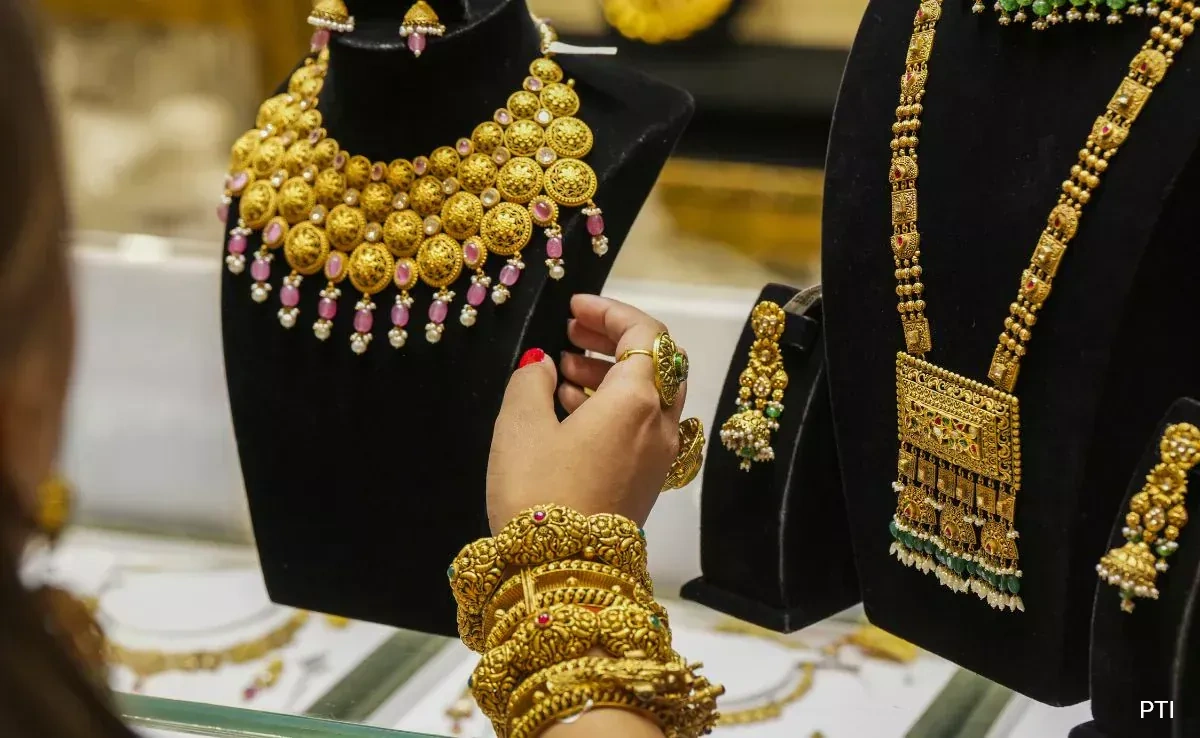
He has also called on Indians to temporarily reduce their purchases of gold. India is one of the world’s largest consumers of the precious metal, which holds deep cultural and economic significance in the country as both a symbol of prosperity and a traditional store of family wealth.
All of this comes as the rupee has fallen more than 5 percent since the conflict began, making it the weakest-performing major currency in Asia.
Weddings as economic gold mine for internal spending
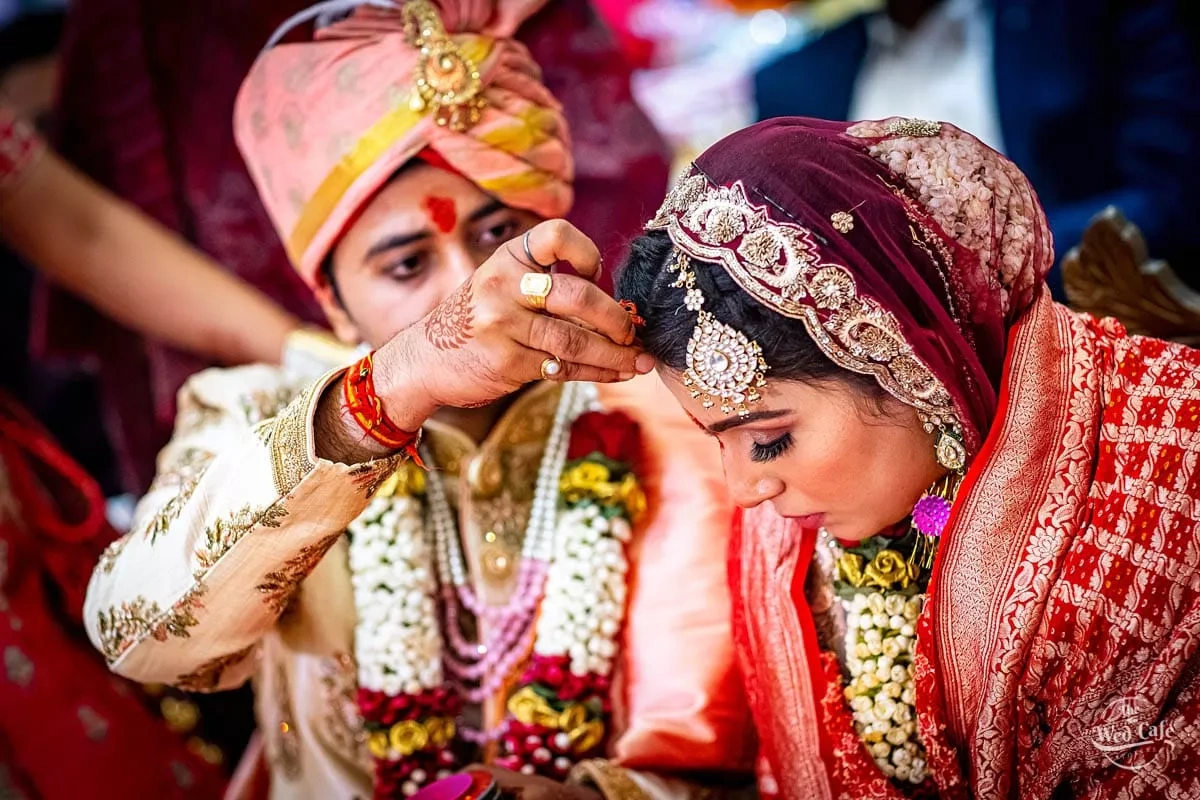
Weddings occupy a central place in Indian society and are often multi-day events involving hundreds — sometimes thousands — of guests. In recent years, lavish celebrity and billionaire weddings have further elevated the status and spending power of the industry.
Today, India’s wedding market has grown into the country’s second-largest consumer sector after food and groceries.
Although the populations of the United States and India differ dramatically — roughly 342 million versus 1.47 billion — India’s wedding market has grown to nearly twice the size of America’s despite the country’s significantly lower average incomes and living standards.
India hosts between 8 million and 10 million weddings every year. Vikramjeet Sharma, a luxury wedding planner with nearly two decades of experience in the industry, told CNN that destination weddings abroad have become far less common among his clients. His company organized around 28 weddings last year, but only three took place overseas.
“The number of weddings happening in India, the magnitude of weddings happening in India, the average cost per wedding happening in India have all gone up to quite some extent,” Sharma said.
Another planner, Monil Shah, said he has also noticed a clear shift in consumer preferences.
“There has been a noticeable shift” in couples choosing to get married in India, Shah told CNN.
For Modi, that trend fits neatly into a broader political and economic narrative centered on self-reliance and keeping wealth circulating within the domestic economy.
For critics, however, the campaign also reflects the growing pressure facing the Indian economy as global instability pushes governments to encourage restraint and domestic spending.
By Nazrin Sadigova