A new opinion piece published by The Spectator argues that the war in Ukraine may be entering a decisive new phase — one that could increasingly favour Kyiv after years of grinding attrition and battlefield stalemate.
The article traces the evolution of the conflict through four distinct stages, ultimately concluding that Ukraine has gained momentum through technological adaptation, particularly in drone warfare, while Russia faces growing military and domestic pressures.
According to the piece, the first phase began in 2014 after Ukraine signaled a stronger alignment with Europe and the United States. The article argues that Russian President Vladimir Putin viewed Western deterrence under then-U.S. President Barack Obama as weak, creating an opportunity for Russia to annex Crimea and support separatist forces in eastern Ukraine’s Donbas region.
The second phase, the article says, began in February 2022, when Moscow launched its full-scale invasion of Ukraine. The Kremlin expected a rapid victory, believing Russian forces could quickly seize Kyiv, install a pro-Moscow government and consolidate control over Ukrainian territory.
The opinion piece also argues that Western governments underestimated Ukraine’s ability to resist. It notes that the administration of former U.S. President Joe Biden initially expected Russia to prevail swiftly and therefore hesitated to provide extensive military support before the invasion.
The article highlights Ukrainian President Volodymyr Zelenskyy’s decision to remain in Kyiv during the opening days of the war as a key moment that helped galvanise Ukrainian resistance and prevent the collapse of the government.
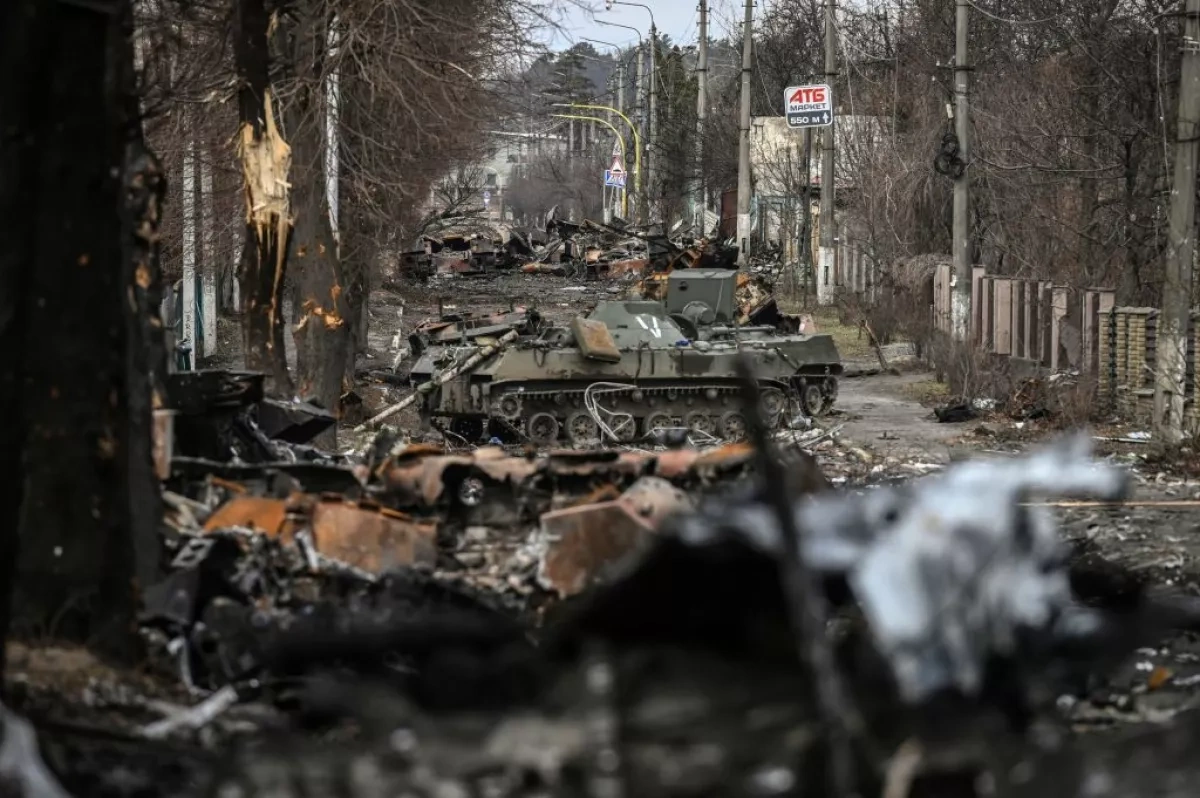
The third phase of the war, according to the commentary, evolved into a prolonged war of attrition. The Spectator claims Russia suffered massive personnel losses while making only limited territorial gains. It also points to the effects of Western sanctions and the growing militarisation of Russia’s economy as factors increasing pressure on the Kremlin.
However, the article argues that the most significant transformation has emerged in what it calls the fourth phase of the conflict: drone-dominated warfare.
According to the piece, inexpensive drones have fundamentally altered the battlefield, replacing tanks and large armoured offensives as the central tools of combat. While Russia initially relied heavily on Iranian-designed Shahed drones, Ukraine is described as having gained a technological edge through improved software, domestic production and access to satellite intelligence.
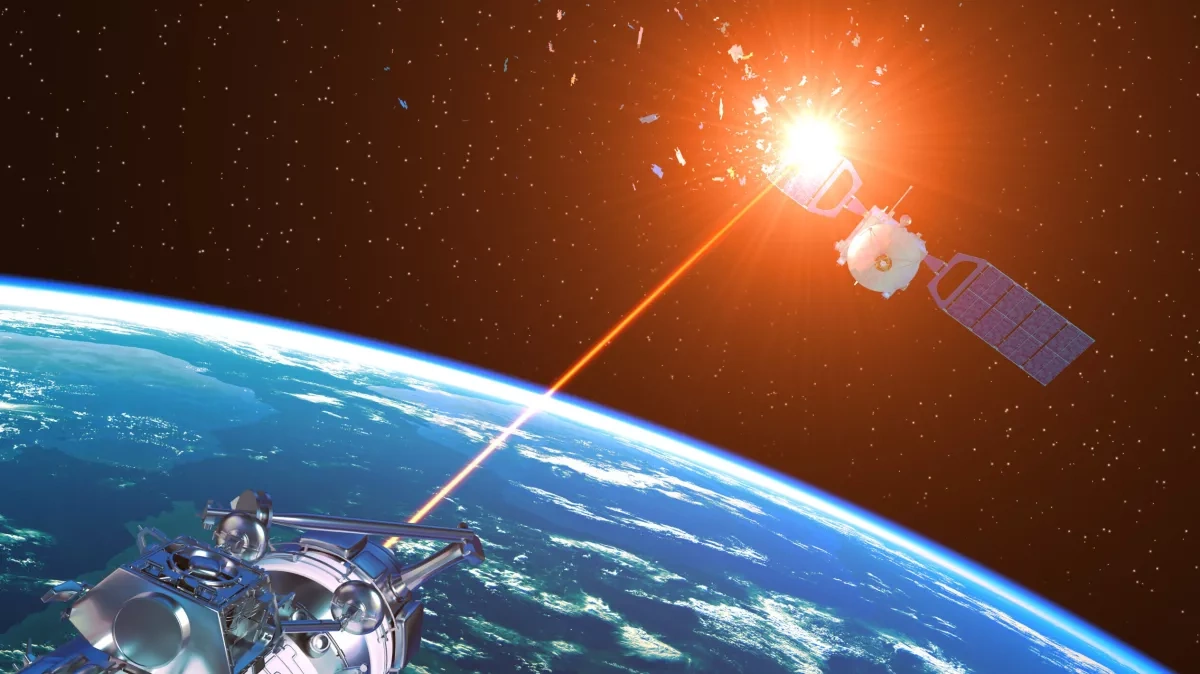
The Spectator notes that Ukraine’s expanding drone campaign has damaged Russian radar systems, air defences and fuel infrastructure, including facilities located far from the front lines. The article argues that these attacks are steadily eroding Russia’s strategic depth and exposing weaknesses in its ability to defend critical military and economic assets.
The opinion piece also points to signs of growing strain inside Russia, including criticism from military bloggers and public frustration over inflation and shortages. According to the article, some Russian commentators have begun openly questioning whether the war can still be won.
The Spectator further suggests that recent signals from Putin indicating a willingness to meet Zelenskyy directly may reflect increasing pressure on Moscow as the conflict drags on.
Despite acknowledging uncertainty over future international support for Kyiv, the article concludes that Ukrainian officials increasingly believe they can outlast Russia in a prolonged conflict, particularly if Western military and financial backing continues.
By Sabina Mammadli