BAKU, Azerbaijan, May 19. Energy transition and
urban planning policies have become deeply interconnected fields
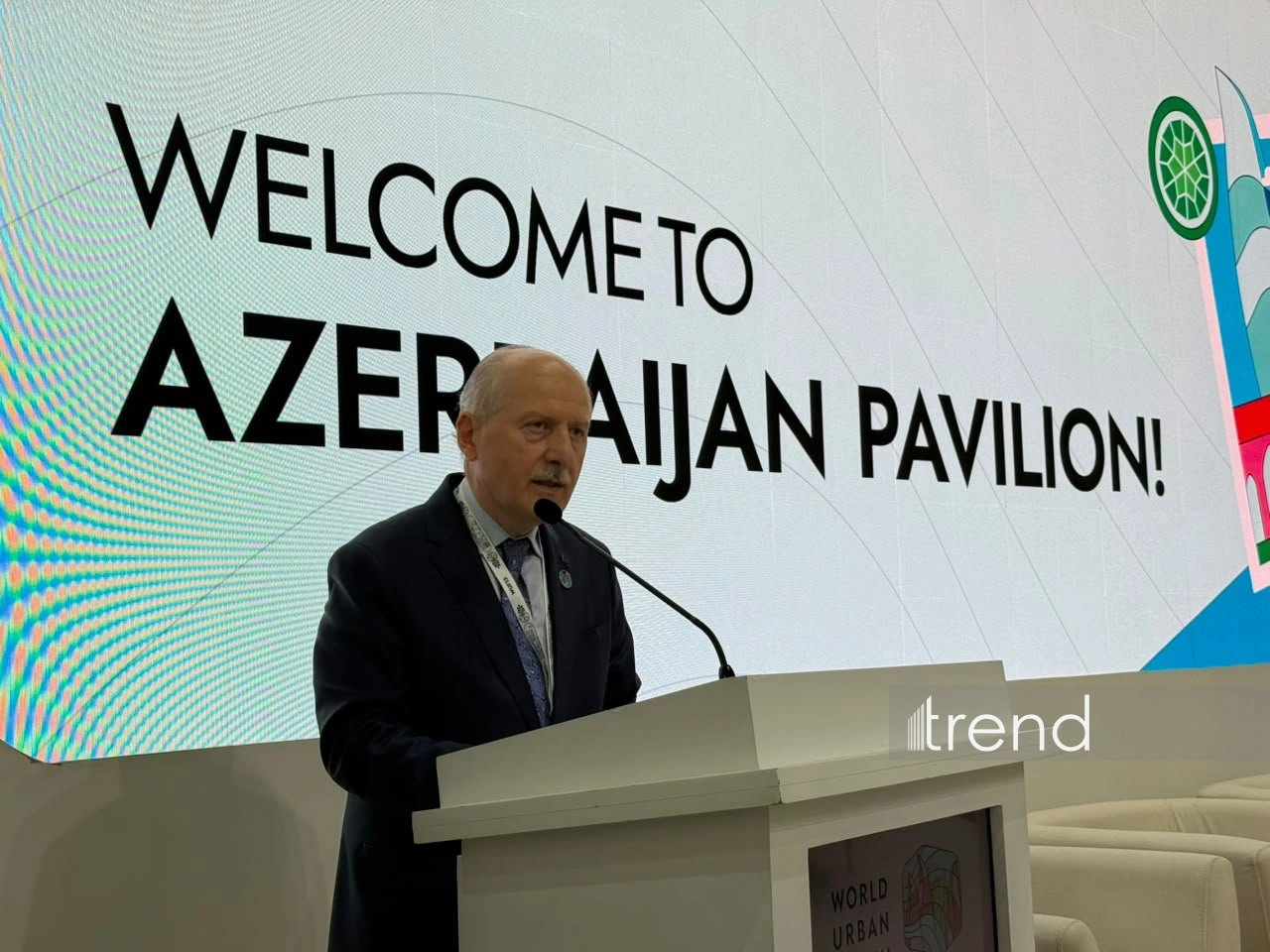
that complement each other, said Hasan Suver, Deputy Minister of
Environment, Urbanization and Climate Change of Türkiye, Trend reports.
The deputy minister made the remarks during the "High-Level
Energy and Urban Dialogue of D-8 Countries" held within the
framework of the 13th session of the World Urban Forum (WUF13) in
Baku.
According to him, the discussions at WUF13 extend beyond the
current problems and immediate needs of cities.
"We gather here to discuss the living spaces we leave as a
legacy to future generations, our shared resilience against climate
change, and our sustainable development vision as D-8 countries.
Türkiye views the D-8 not merely as an economic cooperation
platform, but as a strategic mechanism to strengthen environmental
solidarity, green development, and a shared vision for the future,"
Suver stated.
The deputy minister emphasized that energy transition and urban
planning policies no longer run on parallel tracks, but act as
mutually reinforcing fields.
"Energy-efficient buildings, clean transport systems, renewable
energy infrastructure, smart city technologies, green
infrastructure, and sustainable housing projects represent the key
factors shaping the cities of the future," Suver concluded.
The third day of the 13th session of the World Urban Forum
(WUF13) is underway in Baku.
On the first day, a ministerial meeting dedicated to the New
Urban Agenda, a roundtable of ministers, assemblies of women and
civil society, business sessions, and discussions on urban
well-being were held. A ceremony for raising the flags of the
United Nations and Azerbaijan also took place within the framework
of the forum.
The second day of the forum drew attention with the first-ever
Leaders Summit. High-level discussions on the global housing
crisis, urbanization policy, and urban resilience were held that
day. At the same time, the Mexico City pavilion was inaugurated
within the framework of WUF13. The pavilion was presented as an
important platform for expanding cooperation with the Latin
American region and preparing for WUF14.
WUF13, which has attracted more than 40,000 registered
participants from 182 countries, will continue until May 22. Held
under the theme “Housing the world: Safe and resilient cities and
communities,” the forum brings together governments, international
organizations, experts, and representatives of civil society to
strengthen global cooperation in the field of sustainable urban
development.