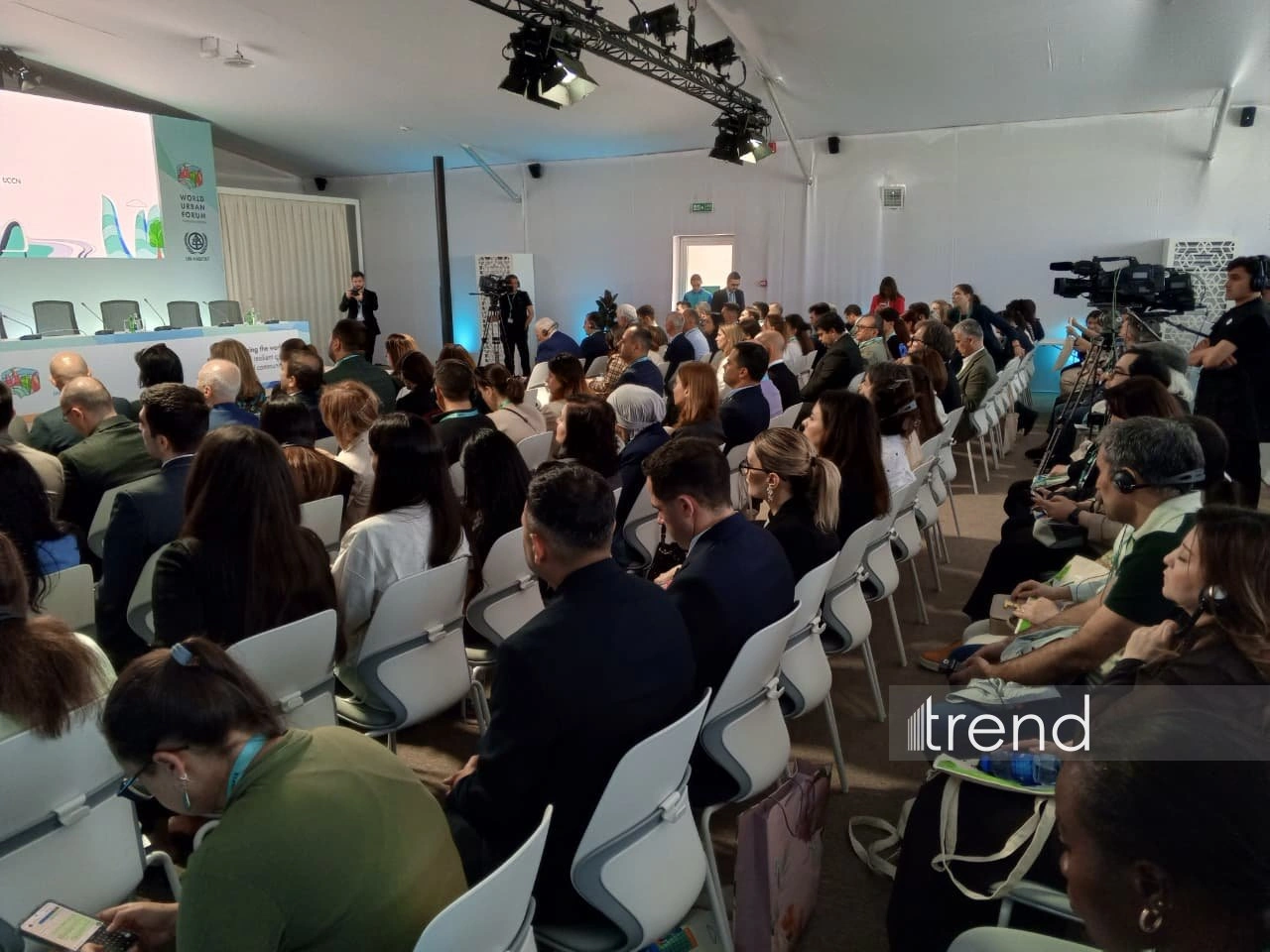
BAKU, Azerbaijan, May 19. For the first time in
the history of the World Urban Forum (WUF), Azerbaijan has
initiated and hosted the “WUF13 NGO Forum: Global Partnerships and
Decision-Making”, Trend
reports.
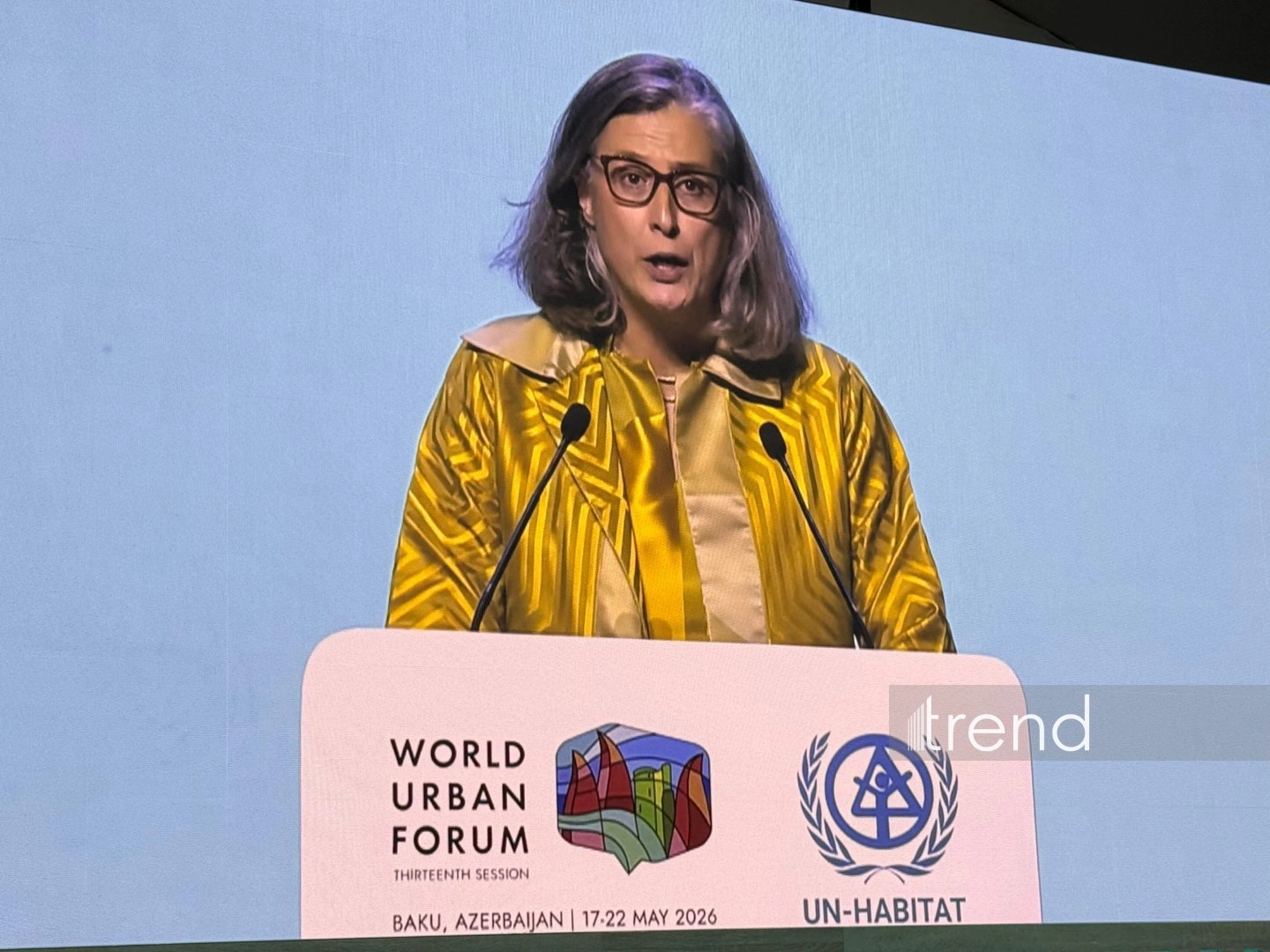
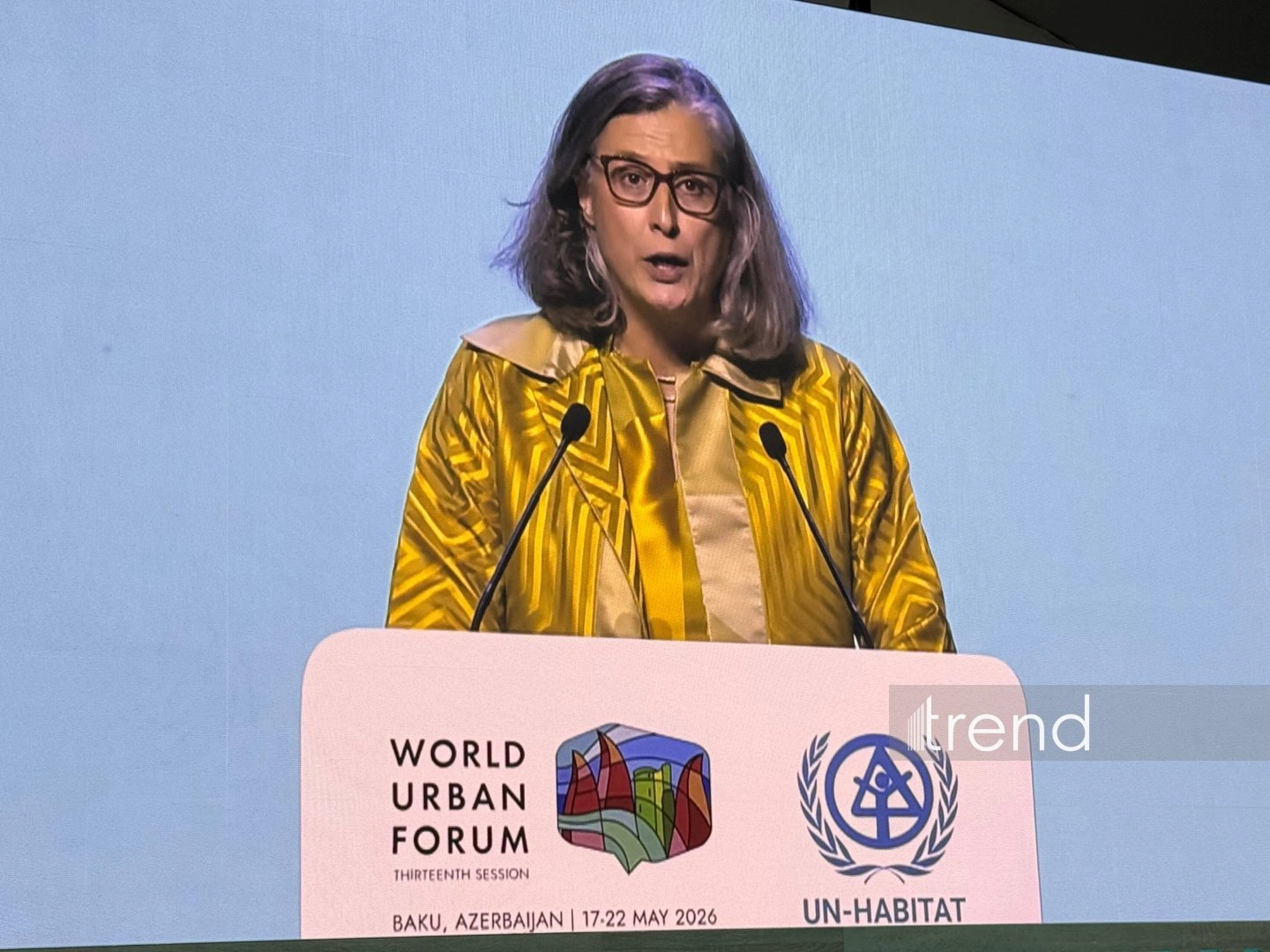
Speaking at the event, UN-Habitat Executive Director Anacláudia
Rossbach said that experiences, perspectives, and diverse
approaches must be brought together. According to her, countries
need to learn how to work collectively at both local and urban
levels.
Rossbach also noted that Azerbaijan has carried out significant
work in the field of urban development.
“We thank Azerbaijan for hosting this event. This is a historic
moment and a significant occasion,” she said.
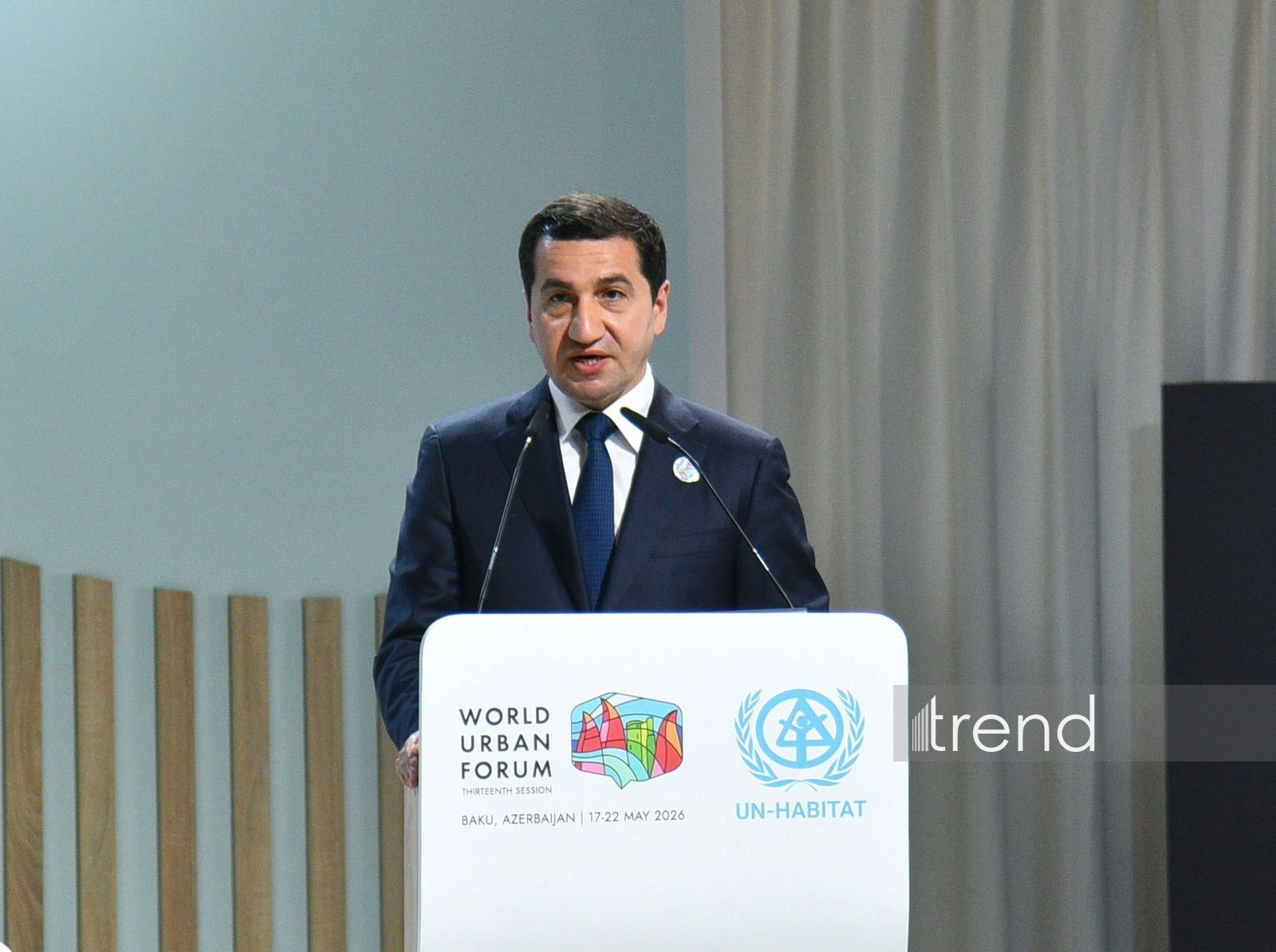
Hikmat Hajiyev, Assistant to the President of Azerbaijan and
Head of the Foreign Policy Affairs Department of the Presidential
Administration, emphasized in his remarks that the construction and
restoration efforts in the territories liberated from occupation
represent a major mission.
He noted that a new chapter of history is being written in areas
contaminated by landmines.
“Unfortunately, in the 20th century, cities were destroyed
before our eyes, and nine of our cities were deliberately razed to
the ground. Aghdam, for example, was referred to as the ‘Hiroshima
of the Caucasus.’ A city that was once home to hundreds of
thousands of people had been completely destroyed. Today, we are
building a new life in these territories for our citizens.
Azerbaijan is truly one of the most appropriate venues for this
Urban Forum. We are ready to share our experience and learn from
the experiences of others,” he said.
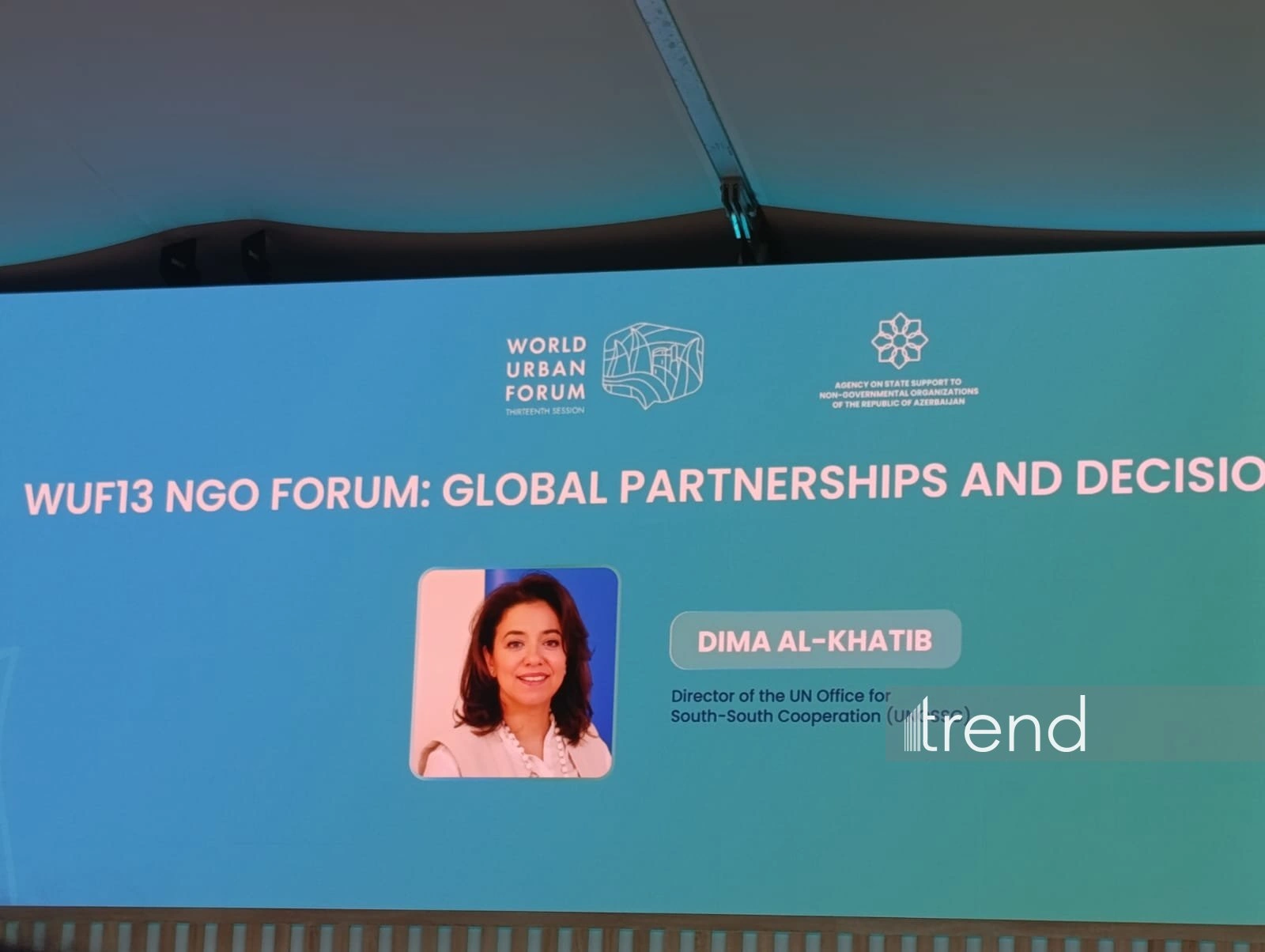
Dima Al-Khatib, Director of the United Nations Office for
South-South Cooperation, stated that NGOs often serve as trusted
intermediaries between communities and institutions.
“They also help identify and bring attention to practical
solutions that are often overlooked,” she said.
Al-Khatib added that, in cooperation with UNESCO and UN-Habitat,
special attention is being paid to heritage preservation, climate
action, urban resilience, and reconstruction efforts. She also
highlighted disaster risk reduction training programs.
“To date, we have conducted training initiatives reaching people
in 168 countries and thousands of communities,” she emphasized.
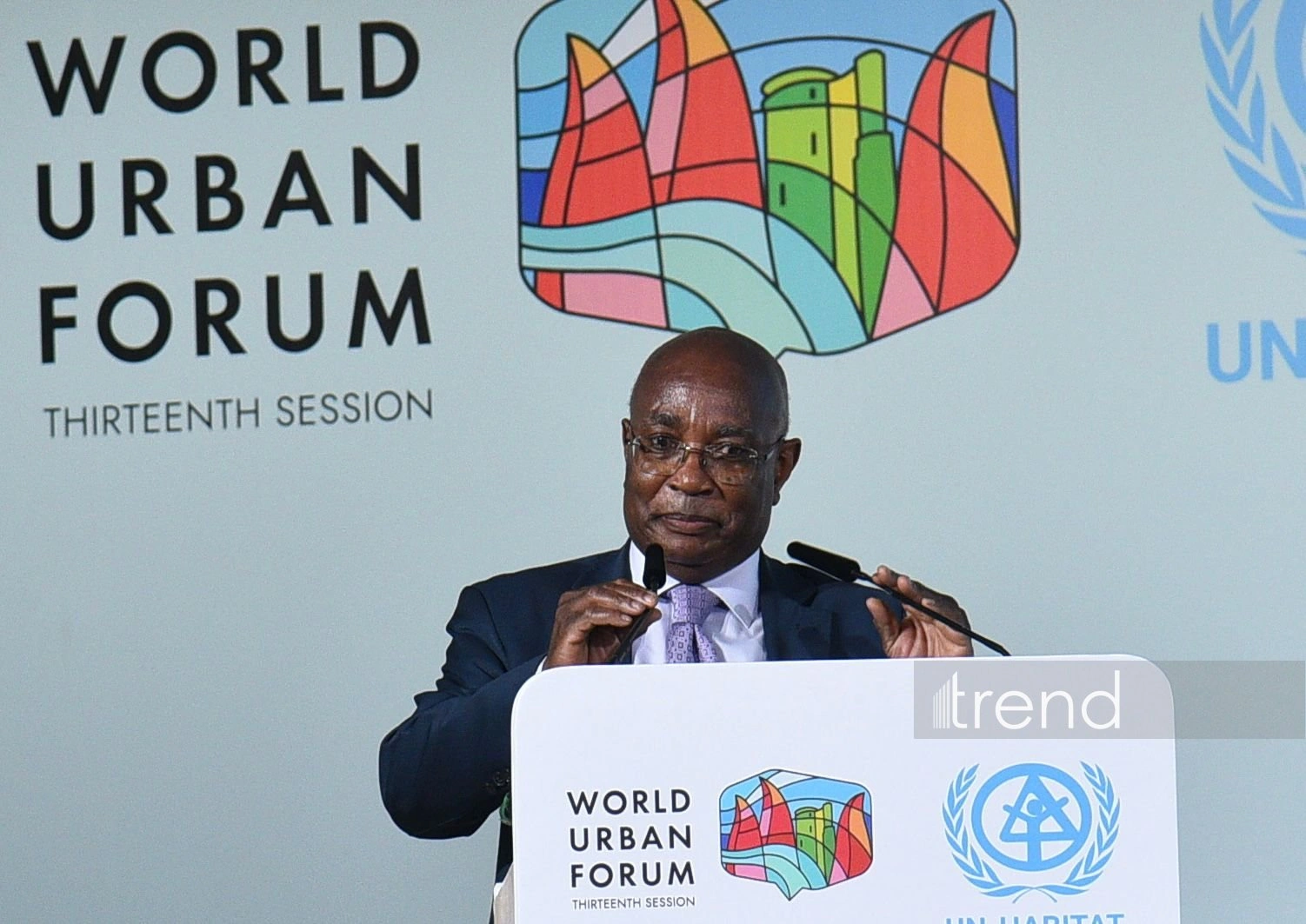
Christian Mensah, former Secretary of the UN-Habitat Executive
Board and Head of the Intergovernmental Relations Department, said
Azerbaijan has become an important platform for international
cooperation. He stressed that NGOs and civil society institutions
should actively participate in ongoing processes and be broadly
represented.
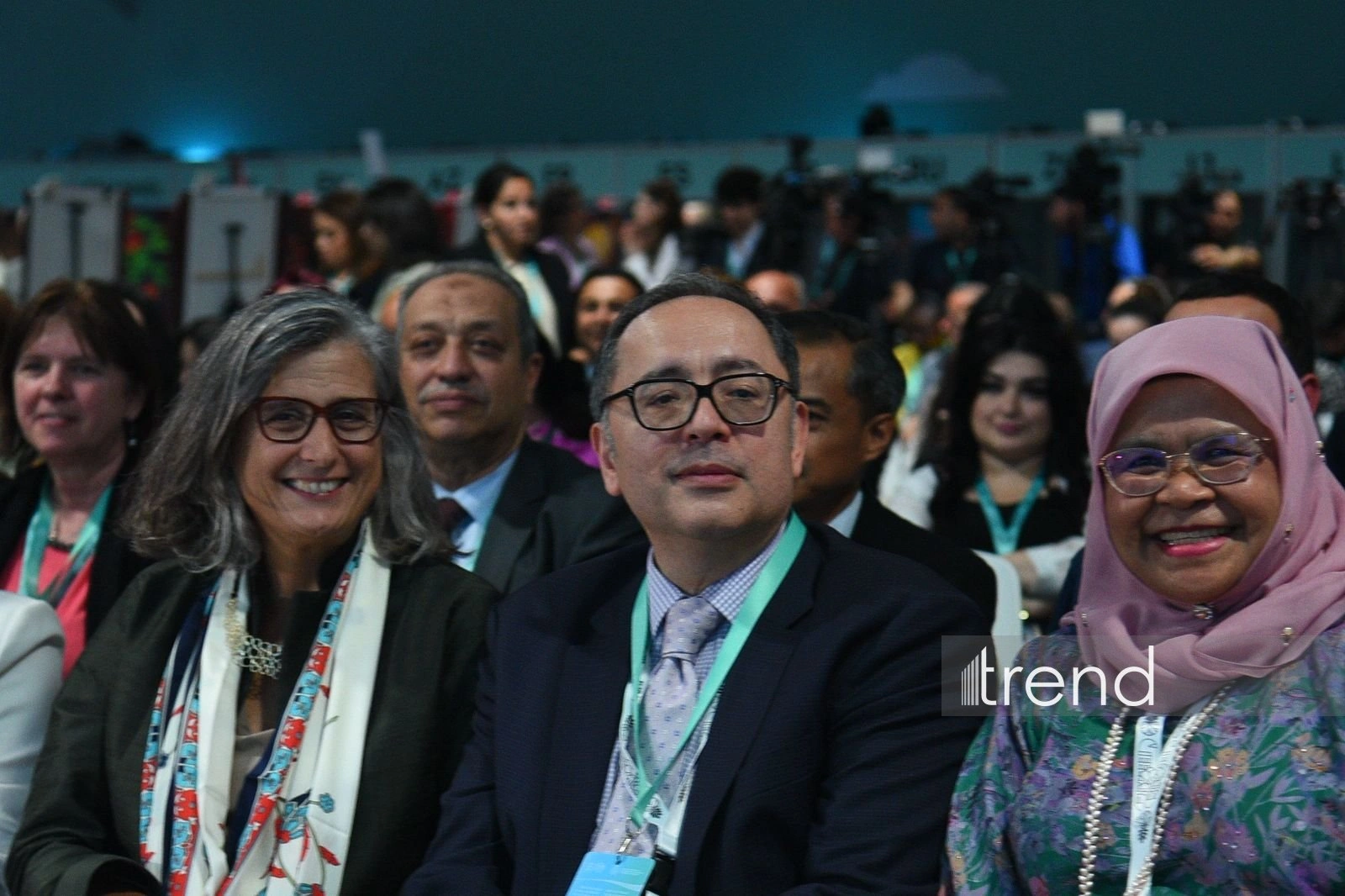
Former Kuala Lumpur mayor and former UN-Habitat Executive
Director Maimunah Mohd Sharif, currently an adviser to the
Malaysian government on sustainable urbanization, as well as Aygun
Aliyeva, Chairperson of the Board of the Azerbaijan State Support
Agency for NGOs, and Luis Gallegos Chiriboga, Deputy
Secretary-General for Latin America of the Global South NGO
Platform (GSNP), also addressed the forum.
In their remarks, speakers discussed the role of NGOs, their
active involvement in decision-making processes, and the
significance of WUF13.
The event continued with panel discussions.