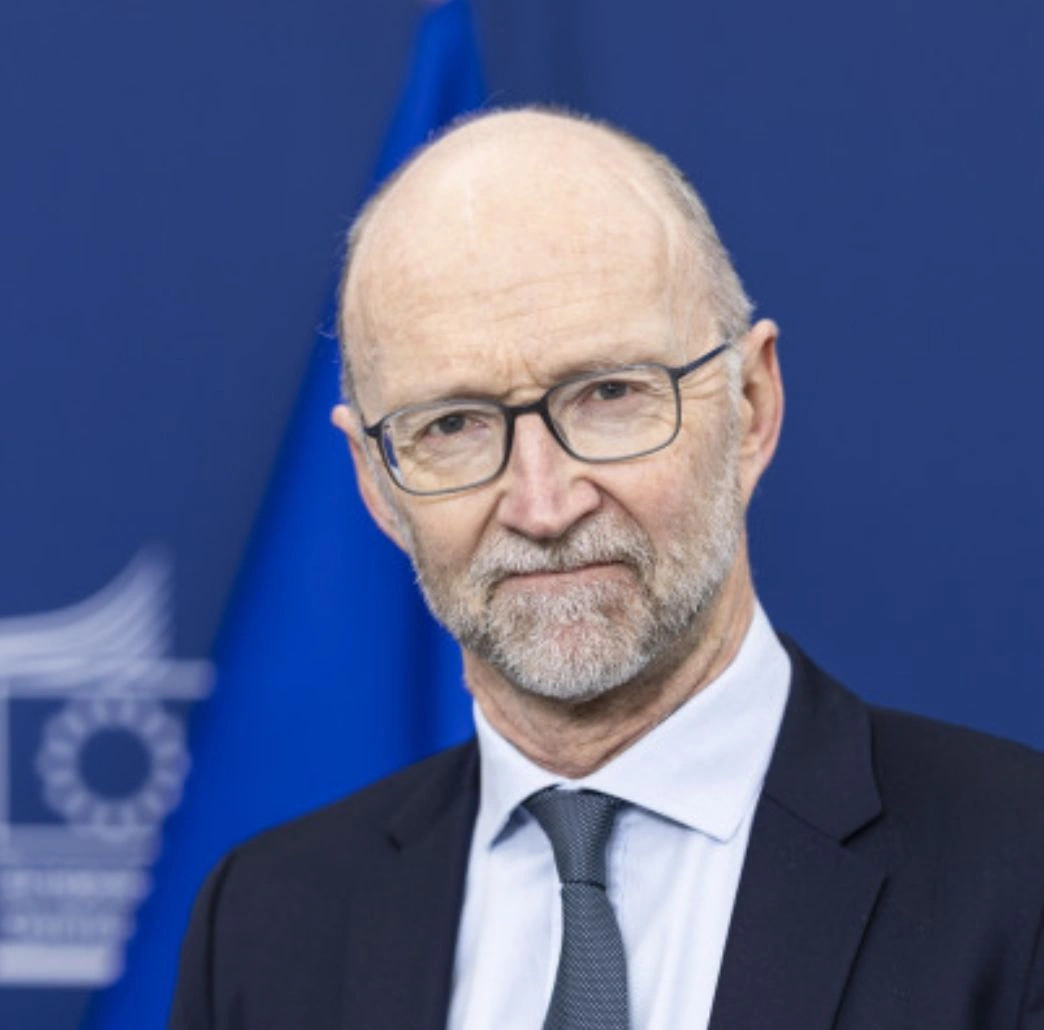
BAKU, Azerbaijan, May 19. The European
Commission is preparing the first European Affordable Housing Plan
and expanding financial instruments for its implementation,
including investment platforms, blended financing of grants and
loans, as well as the issuance of housing bonds to attract private
capital, Matthew Robert Baldwin, Deputy Director-General heading
the European Commission's Housing Policy Task Force, said, Trend reports.
He made the remark during the session "Housing at the Center of
Global Coalitions," held within the framework of the World Urban
Forum (WUF13) in Baku.
"Housing policy must take a key place on the agendas of the G7,
G20, and G77, as the shortage of affordable housing directly
impacts labor markets, economic growth, and demographic processes,"
the European Commission representative said.
He noted that the lack of affordable housing is becoming a
factor that limits hiring opportunities, as people cannot afford to
live where jobs are located. According to Baldwin, this is already
affecting not only the social sphere but also economic
competitiveness.
He also pointed out that the average age at which young people
leave their parental home exceeds 30 years in several countries,
which is linked to the high cost and limited accessibility of
housing, and could influence demographic trends.
Furthermore, he added that the housing problem manifests most
acutely in cities and affects vulnerable segments of the population
and youth: "In this regard, cities are viewed as key actors capable
of addressing affordable housing issues alongside climate and
transport challenges."
The third day of the 13th session of the World Urban Forum
(WUF13) is underway in Baku.
On the first day, a ministerial meeting dedicated to the New
Urban Agenda, a roundtable of ministers, assemblies of women and
civil society, business sessions, and discussions on urban
well-being were held. A ceremony for raising the flags of the
United Nations and Azerbaijan also took place within the framework
of the forum.
The second day of the forum drew attention with the first-ever
Leaders Summit. High-level discussions on the global housing
crisis, urbanization policy, and urban resilience were held that
day. At the same time, the Mexico City pavilion was inaugurated
within the framework of WUF13. The pavilion was presented as an
important platform for expanding cooperation with the Latin
American region and preparing for WUF14.
WUF13, which has attracted more than 40,000 registered
participants from 182 countries, will continue until May 22. Held
under the theme “Housing the world: Safe and resilient cities and
communities,” the forum brings together governments, international
organizations, experts, and representatives of civil society to
strengthen global cooperation in the field of sustainable urban
development.