BAKU, Azerbaijan, May 19. Existing housing
systems are failing to meet the needs of millions of people
worldwide, while emerging housing models still require stronger
support and long-term stability, said Anaclaudia Rossbach,
Executive Director of the United Nations Human Settlements
Programme (UN-Habitat), Trend reports.
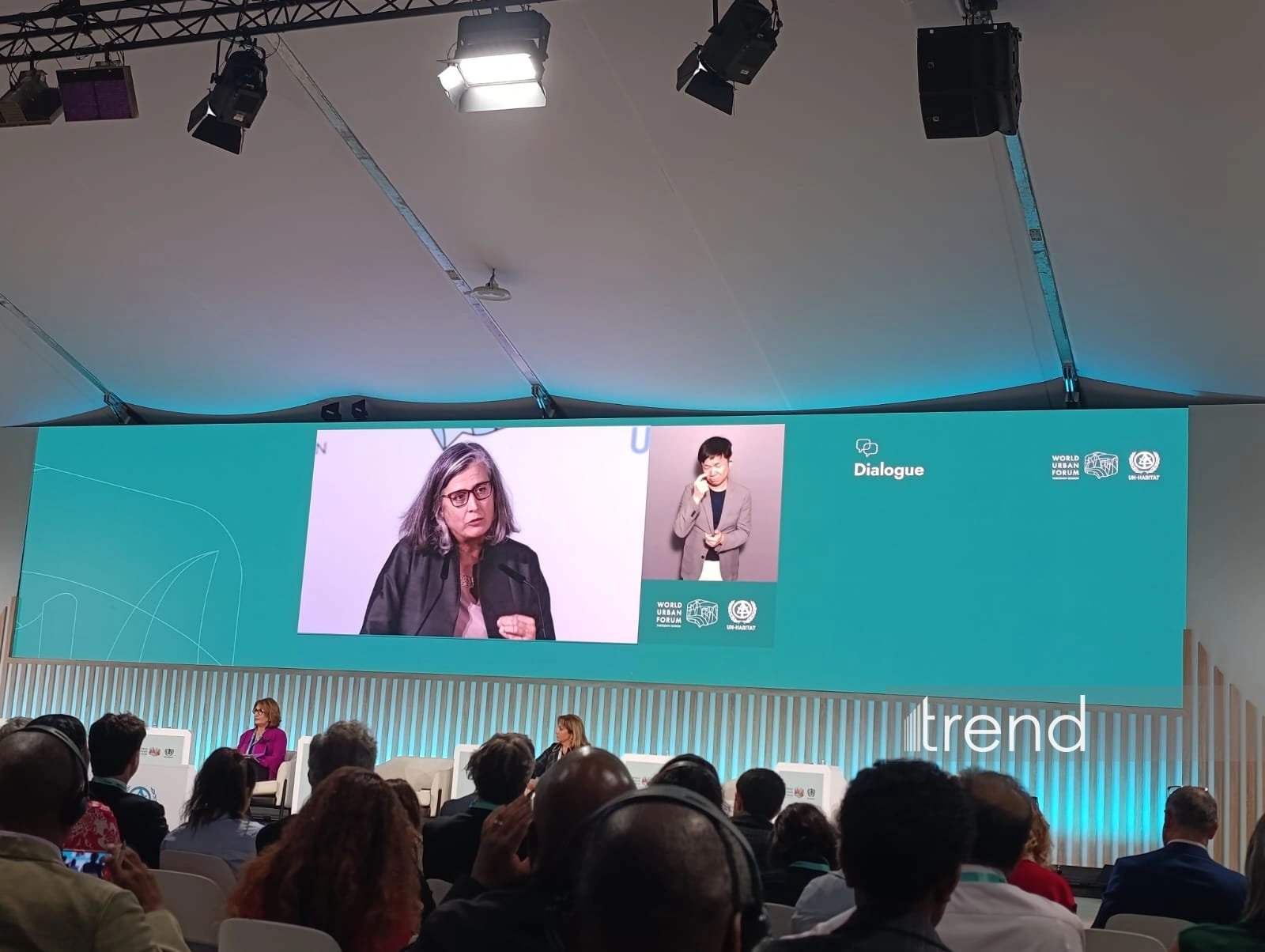
Speaking Tuesday during a dialogue titled “The Global Housing
Crisis: What’s the Agenda for Action?” at the 13th session of the
World Urban Forum 13, Rossbach said access to affordable housing
remains one of the world’s most pressing urban challenges.
“We all understand the importance of housing for achieving the
Sustainable Development Goals, including healthcare, education,
employment and access to water,” she said. “Cities that provide
affordable, quality and well-located housing become more
productive, competitive and inclusive, while also building a more
sustainable economic foundation.”
Rossbach noted that housing has remained central to the mission
of UN-Habitat since its founding 50 years ago and was reaffirmed as
a priority in the New Urban Agenda adopted a decade ago. Despite
those efforts, she said, the global housing crisis continues to
deepen.
“This is not simply a housing shortage — it affects one in three
people worldwide,” Rossbach said. “It is a systemic failure.
Existing housing systems are not working for everyone, and new
systems still need to be strengthened and stabilized.”
She identified housing affordability as the central issue
driving the crisis, adding that challenges once associated mainly
with developing nations are now increasingly affecting cities
across the developed world as well.
World Urban Forum 13 is being held in Baku from May 17-22 in
cooperation with UN-Habitat and the Azerbaijani government. The
forum has brought together government officials, urban planners,
private-sector representatives, civil society groups, academics and
international organizations from around the world.