Senior officials from Zimbabwe, Turkmenistan and Central Asia’s water management community have underscored the growing global stakes of urbanisation at the 13th session of the World Urban Forum in Baku, highlighting housing shortages, climate pressures and water insecurity as defining challenges for cities.
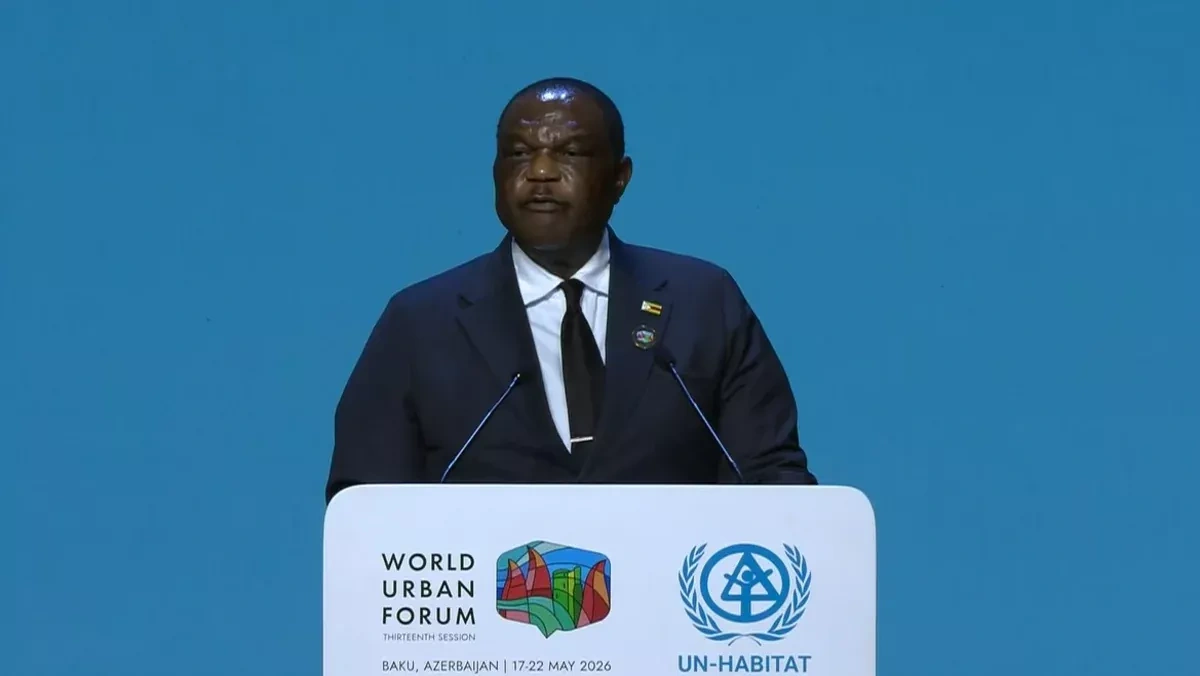
At the Leaders’ Summit — held for the first time in the history of the World Urban Forum 13 — Zimbabwe’s Vice President Constantino Chiwenga thanked Azerbaijani President Ilham Aliyev for the hospitality and for hosting the global gathering, Caliber.Az reports per local media.
Speaking at the summit, Chiwenga said the forum was gaining global significance through Azerbaijan’s role as host. "I thank world leaders and heads of government for their attention to this matter. Strengthening political will and practical strategies to create sustainable housing for all is crucial. We must find solutions together, because today 3 billion people worldwide lack housing," Chiwenga added.
He stressed that Zimbabwe views housing as a fundamental right rather than merely shelter, pointing to domestic efforts to narrow a significant housing deficit. The Vice President also noted that the Government of Zimbabwe views housing not merely as shelter but as a fundamental human right.
He noted that Zimbabwe faced a shortage of 1.5 million housing units, but progress has been made: "In 2020–2025, this shortage was significantly reduced. In the second phase, from 2026 through 2030, construction of another 1 million housing units is planned. At the same time, we fully recognize that housing shortages remain a dynamic challenge."
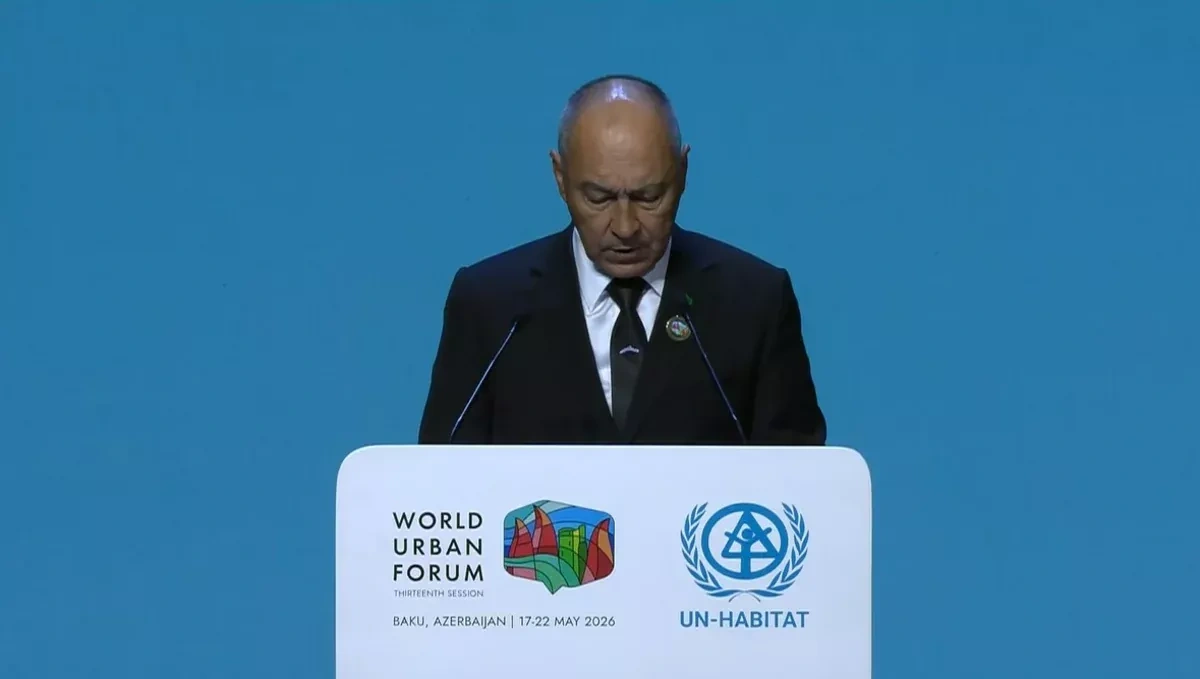
The focus on urban development was echoed by Turkmenistan’s delegation, where Deryageldi Orazov, chairman of the State Committee for Construction of Arkadag City, highlighted both the opportunities and conceptual foundations of modern urbanisation.
"We congratulate you on the opening of the 13th session of the World Urban Forum – the leading global conference on sustainable urbanization, organized by the United Nations Human Settlements Programme (UN-Habitat) with the support of the Government of Azerbaijan. We wish the forum every success. Today, cities are key centers of the rapidly developing global economy. One of the key processes in their development is urbanization. Urbanization (ed.) views cities as complex systems that unite people, space, and technology. Urban studies integrates knowledge from various fields – architecture, urban planning, sociology, economics, ecology, and geography. Overall, this is one of the key processes in the modern world," he noted.
Orazov emphasised that sustainable urban development requires environmental integration, while also highlighting Turkmenistan’s flagship project Arkadag as a model for a “smart” city approach. He also expressed gratitude to Azerbaijani President Ilham Aliyev for his traditional hospitality and warm welcome.
Orazov also emphasized that Arkadag was built relatively recently and has already established itself as a "smart, environmentally friendly, and safe city."
"The idea for a new, modern city belongs to the national leader of the Turkmen people, who conducted extensive analytical work to select its construction site. Under his leadership, a master plan for the city was developed, taking into account the natural features of the area. The design took into account natural and climatic conditions, wind patterns, seismic activity, the availability of utility infrastructure, and green spaces-all factors that contribute to maintaining the region's ecological balance. Particular attention was paid during construction to implementing the concept of a safe, green, and smart city. The concept of a smart city is based on the integration of modern information and communication technologies, creating a unified system for managing city services and improving the quality of life for the population," he added.
Beyond housing and urban planning, attention also turned to infrastructure stress across Central Asia, where rapid population growth is placing increasing pressure on water systems.
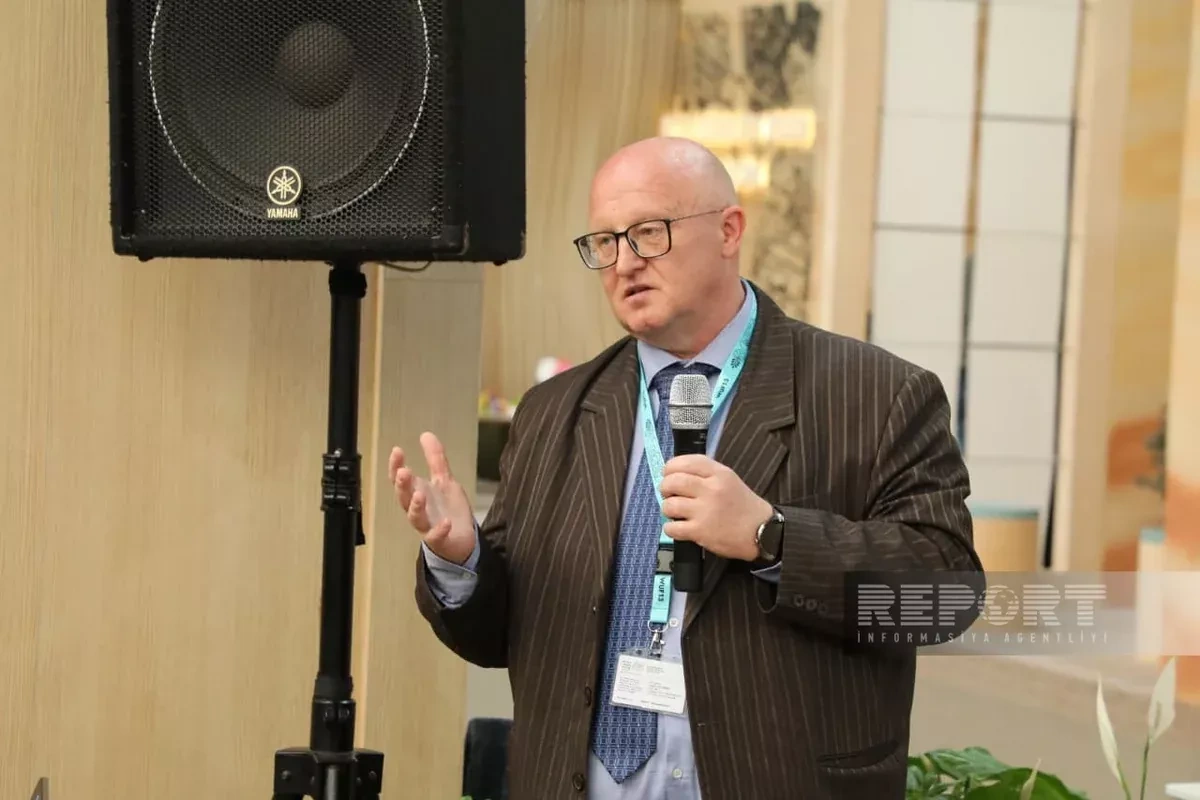
Alexandr Nikolayenko, representative of the International Water Management Institute (IWMI) in Uzbekistan, warned that urban expansion is reshaping regional water security dynamics. According to Report, he made the remarks during an event titled "Regional Perspectives on Sustainable Housing Finance for Accelerating SDG Implementation," held within the 13th session of the World Urban Forum in Baku.
Nikolayenko noted that urbanisation has become a strategic issue for water management systems across the region. "In the last 20 years, our urban population has increased by more than 14 million people, and every year another 650,000 people move to cities," he said.
He added that Central Asia has a population of around 80 million, evenly split between urban and rural areas, with seven major cities exceeding one million residents, including Tashkent and Almaty. He emphasised that the region faces growing pressure on water resources, particularly in major river systems.
"Central Asia is largely an arid region. Around 90% of water is used for agriculture and food security, 4–6% for industry, and only about 4% for domestic use," he said, noting that urban areas are increasingly affected by water shortages and poor-quality supply. He also pointed to declining water availability in key rivers such as the Amu Darya and Syr Darya, stating that over the past 20 years, water resources have decreased by around 15% in the Amu Darya basin and 10% in the Syr Darya basin.
"There is no additional water available anymore, and existing resources are being used inefficiently both in agriculture and urban areas," he concluded.
By Aghakazim Guliyev