BAKU, Azerbaijan, May 10. Heydar Aliyev’s
invaluable contributions to the development of the urban
environment hold special significance, as the transformation of a
country's residential spaces—its villages, settlements, and
cities—is one of the primary foundations that reflects the
execution of a long-term development strategy, Samir Nuriyev, Head
of the Presidential Administration of the Republic of Azerbaijan,
said in his article marking the 103rd anniversary of the birth of
National Leader Heydar Aliyev, Trend reports.
The article notes that the initial manifestations of this
strategic approach were clearly observed during the National
Leader's first period of leadership in the Republic, spanning from
1969 to 1982:
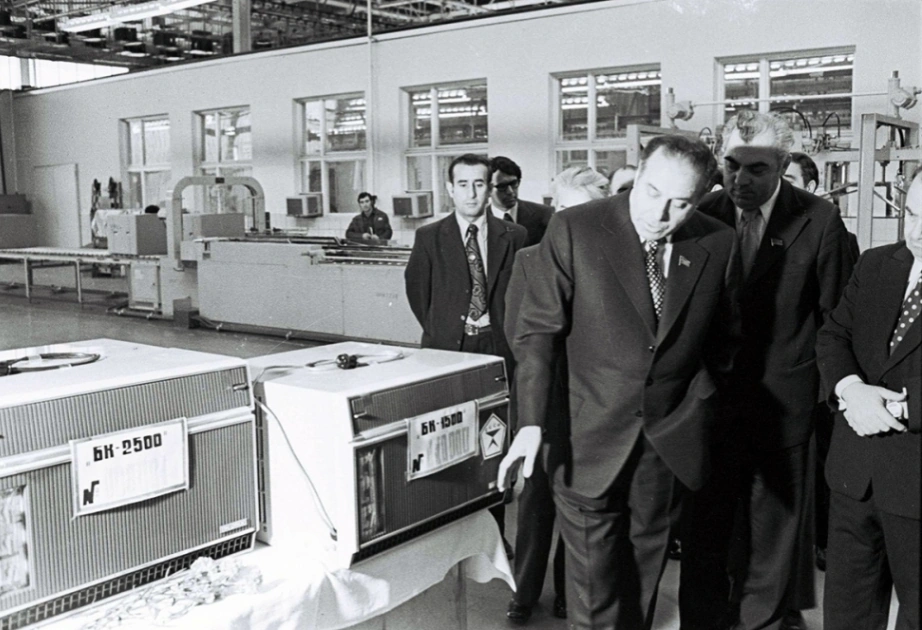
“During those years, crucial steps were taken to accelerate the
industrialization process, establish new production enterprises,
and expand infrastructure, while the construction of facilities of
national importance gained significant momentum. At the core of
this strategic line lay fundamental principles such as the balanced
development of the country's residential areas, the parallel
construction of industrial and social infrastructure, and the
integration of national architectural heritage into the modern
urbanization process. The National Leader’s approach to urban
planning and architecture stemmed directly from the logic of his
philosophy of state-building.”