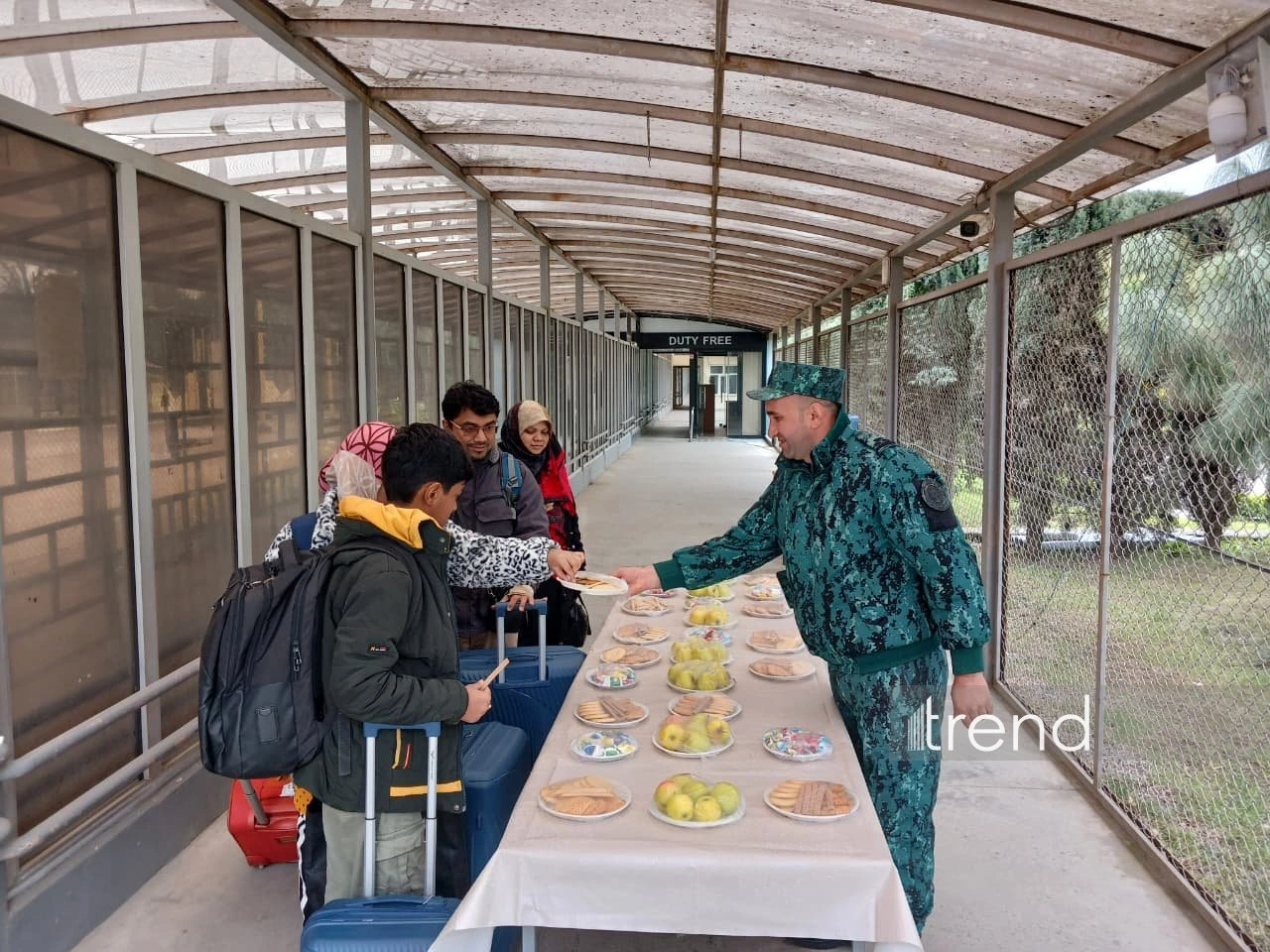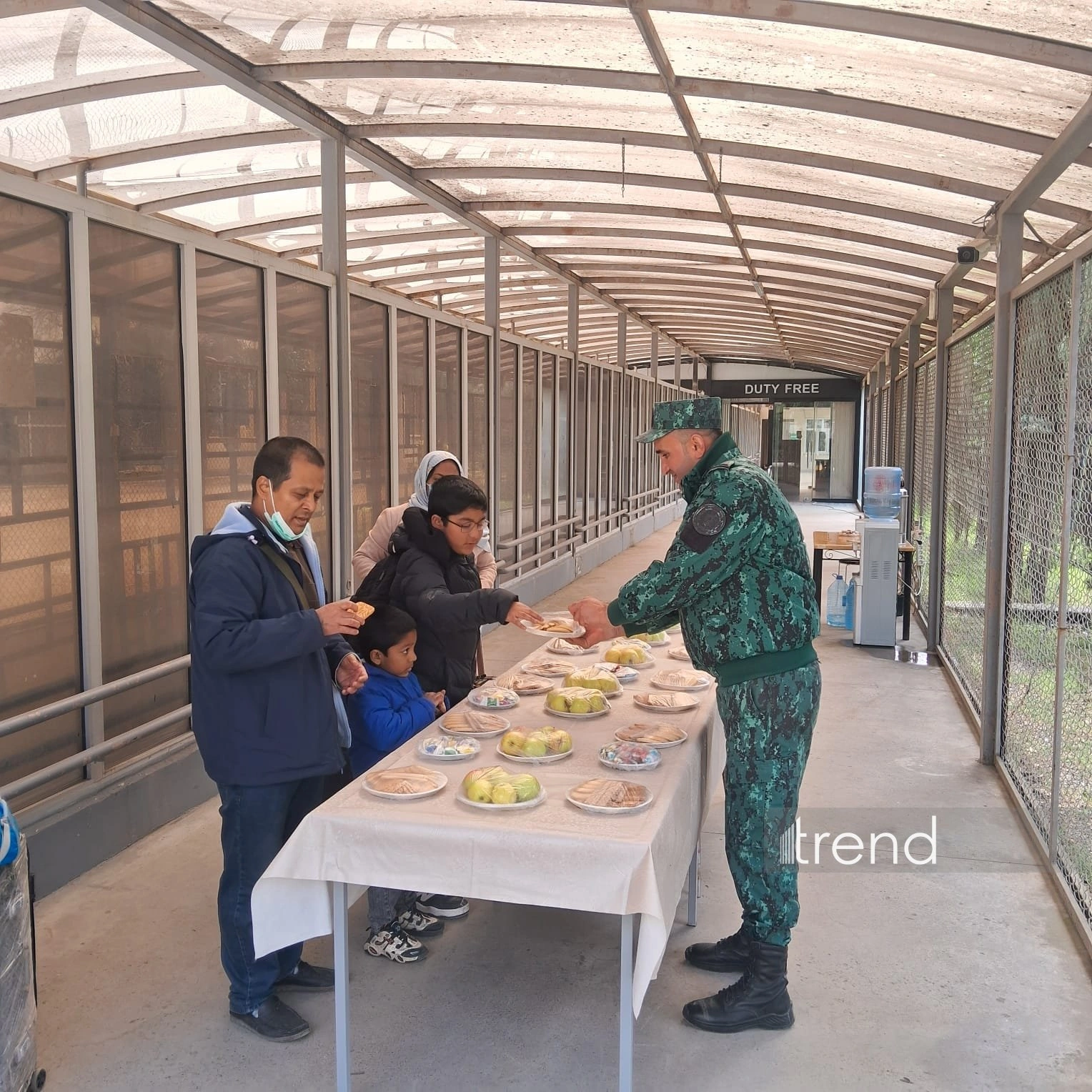
BAKU, Azerbaijan, March 20. The evacuation of
citizens of Azerbaijan and other countries from Iran continues,
Trend
reports.
From February 28 at 8:00 (GMT+4) until March 20 at 10:00
(GMT+4), a total of 2,853 people representing various countries
have been evacuated from Iran.
Among them were 720 citizens of China, 470 of Azerbaijan, 323 of
Russia, 195 of Bangladesh, 184 of Tajikistan, 148 of Pakistan, 122
of India, 72 of Oman, 68 of Indonesia, 49 of Iran, 44 of Italy, 28
of Algeria, 26 of Spain, 23 of Germany, 20 of Canada, 19 of France,
18 of Saudi Arabia, 17 of Japan, 16 of Georgia, 14 of Uzbekistan,
13 each of Poland, Switzerland, and Nigeria, 12 each of Hungary and
Bahrain, 11 each of Kazakhstan and Mexico, 10 each of Great
Britain, Belarus, Bulgaria, and Congo, 9 of the USA, and 8 each of
Brazil and Sudan.
Smaller groups also included 6 citizens each from Slovakia,
Belgium, Romania, and the United Arab Emirates (UAE); 5 each from
Serbia, the Czech Republic, Sweden, Afghanistan, Australia,
Austria, and Greece; 4 each from Jordan, the Philippines, Turkiye,
Ukraine, Sri Lanka, Kuwait, Finland, and the Netherlands; 3 each
from Qatar, Croatia, Denmark, and Norway; and 2 each from Nepal,
Lebanon, Yemen, Kyrgyzstan, Cyprus, and Slovenia.
Additionally, one person each from Tunisia, South Africa, the
Maldives, Myanmar, Cuba, the Vatican, Argentina, Bosnia and
Herzegovina, Latvia, Egypt, Belize, and Dominica was evacuated.
Since no concrete agreement was reached in negotiations between
the United States (US) and Iran over the nuclear program, the US
and Israel began military airstrikes against Iran on February 28.
In response, Iran launched missile and drone attacks on Israel and
US military facilities located in countries across the region,
starting the same day.
On the first day of the air strikes against Iran, Iran’s Supreme
Leader Ayatollah Seyyed Ali Khamenei and several high-ranking
military officials were killed. On March 8, Iran’s Assembly of
Experts elected Seyyed Mojtaba Khamenei as Iran’s third Supreme
Leader by majority vote.
From March 1 through March 5, the confrontation expanded
further, affecting several countries across the Middle East.
According to information, the U.S. side suffered losses of 13
dead and more than 140 wounded.
The ongoing conflict has significantly threatened the region’s
energy infrastructure and maritime transport. Oil prices have
surged on global markets due to heightened security tensions around
the Strait of Hormuz, prompting several countries to advise their
citizens to leave the region.
Stay up-to-date with more news on Trend News
Agency's WhatsApp channel