BAKU, Azerbaijan, November 18. UNDP held a
practical session in Turkmenistan’s Dashoguz region to promote
sustainable land management, improve water use and strengthen rural
livelihoods in the Aral Sea basin, the UNDP office in the country
reported.
The session took place on November 17 under the joint UNDP-GEF
project “Conservation and sustainable management of land resources
and high-value ecosystems in the Aral Sea basin for multiple
benefits.”
Participants included representatives of the Ministry of
Environmental Protection, the Ministry of Agriculture, local
authorities, the Union of Industrialists and Entrepreneurs,
farmers, and project beneficiaries.
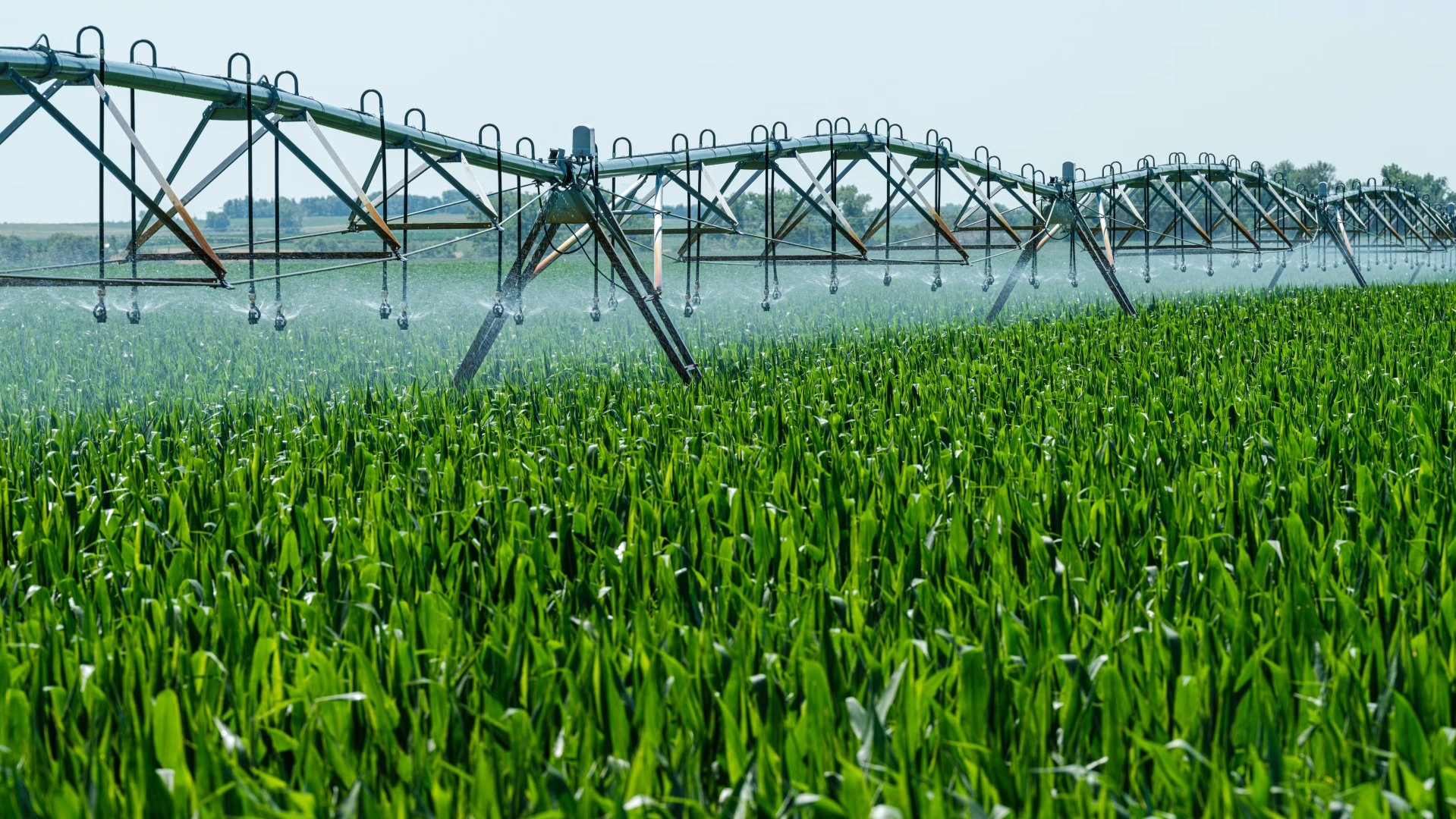
Discussions focused on alternative income opportunities for
rural communities, access to concessional financing, and practical
ways to improve irrigation and water management. Participants also
reviewed soil and groundwater monitoring methods, as well as
measures to raise awareness of biodiversity and wildlife
habitats.
The project aims to restore degraded land and strengthen the
resilience of communities in the Aral Sea basin.
Land degradation and water scarcity remain major challenges for
Turkmenistan’s agricultural sector. According to a 2026 World Bank
study, more than 4.9 million hectares of land in the country are
affected by degradation. This figure could reach nearly 6.3 million
hectares by 2050 if current trends continue.
The economic losses caused by land degradation could average
approximately $667 million annually between 2024 and 2050,
reflecting reduced agricultural and livestock production,
infrastructure damage and declining ecosystem services.
Turkmenistan is also implementing a separate five-year climate
project with the Food and Agriculture Organization of the United
Nations (FAO), the Green Climate Fund and the Regional
Environmental Centre for Central Asia. The initiative focuses on
climate-resilient agricultural practices, soil restoration, and
more efficient water management, with pilot activities in the
Charjev district of the Lebap region.
Planned measures include installing laser water meters,
establishing protective forest belts, restoring saline soils, and
introducing salt-tolerant plants.