BAKU, Azerbaijan, November 12. The area of
glaciers in the Azerbaijani part of the Greater Caucasus has
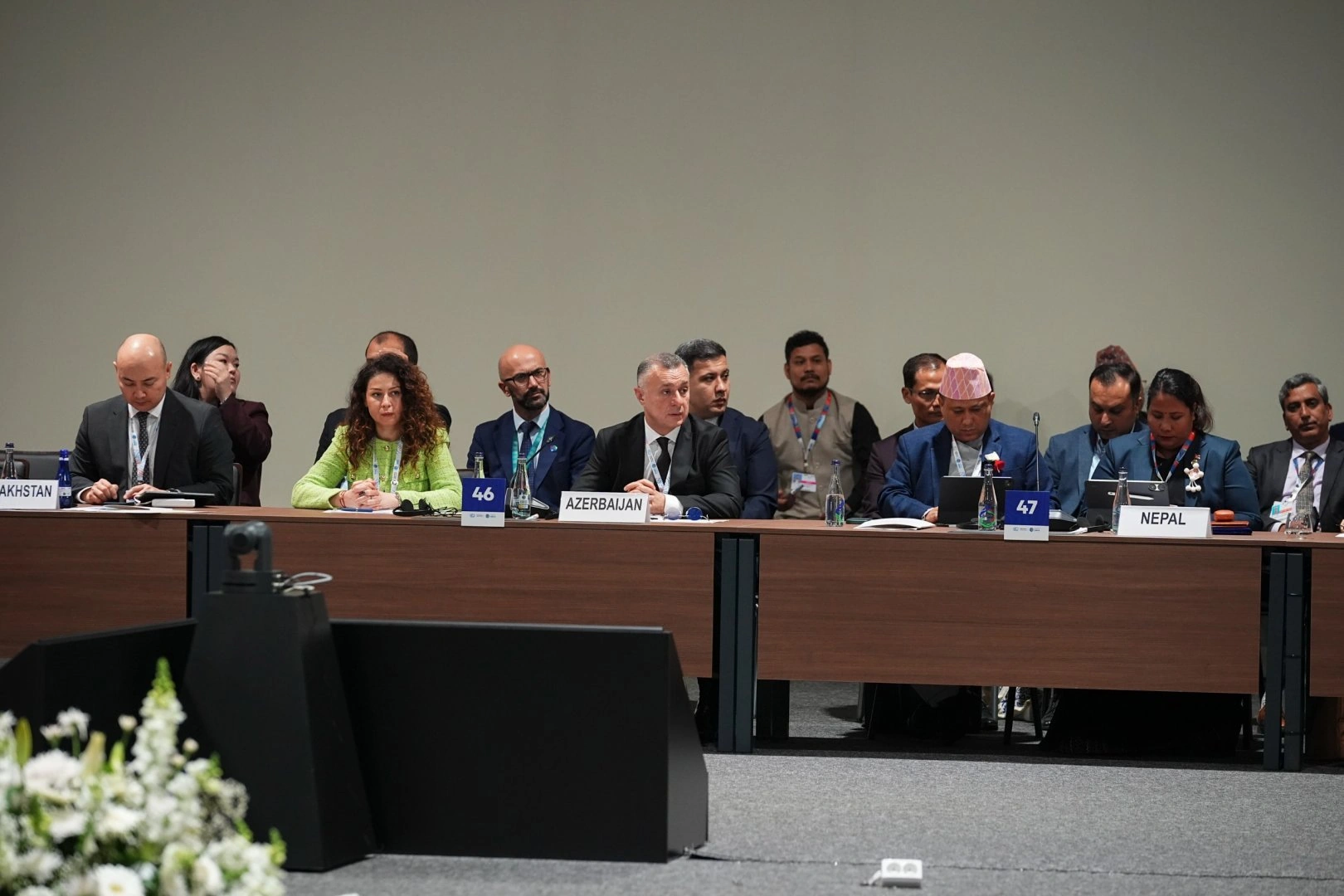
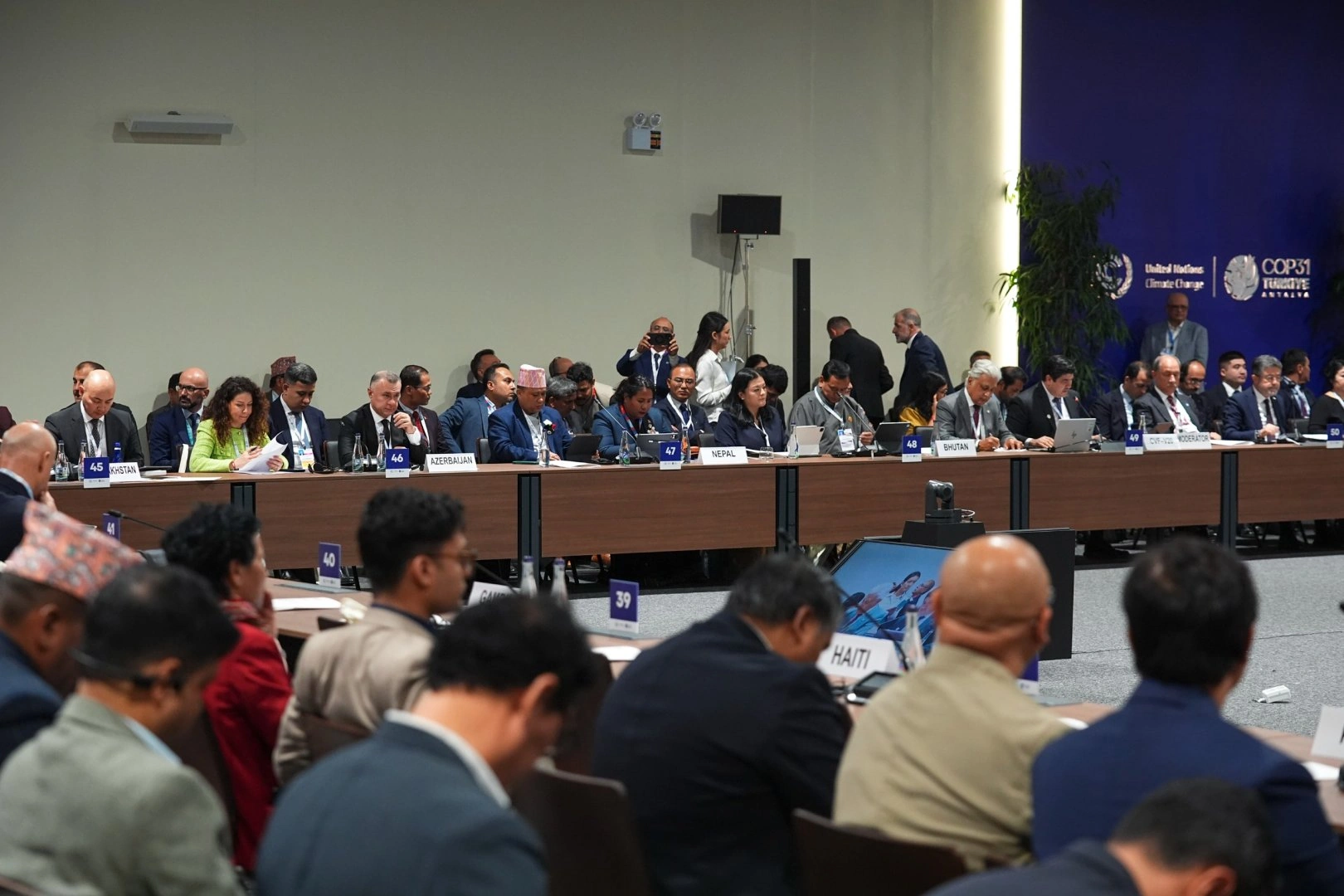
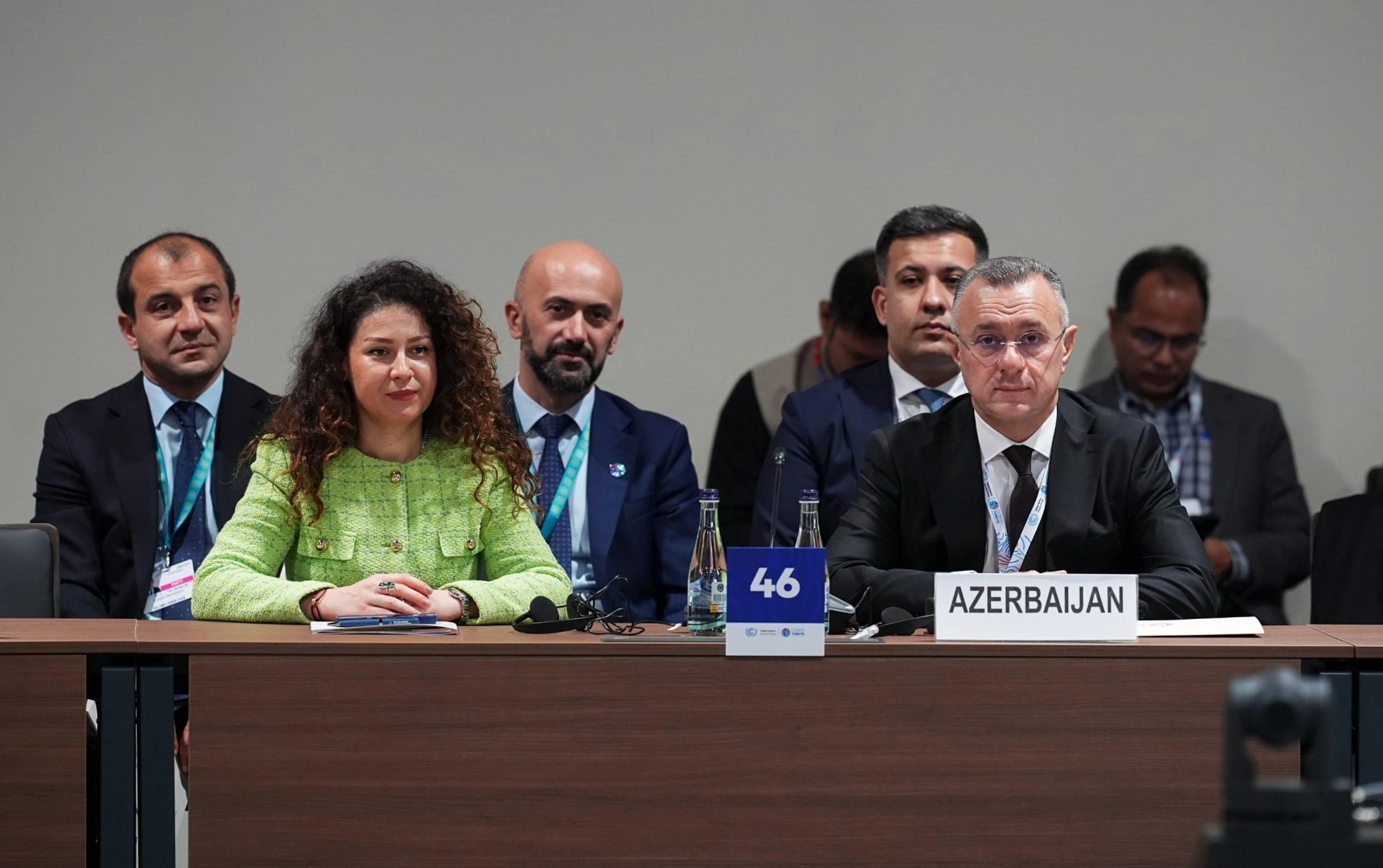
decreased by 9%, Deputy Prime Minister of Azerbaijan Teymur Musayev
said at a high-level event dedicated to the topic of "Adaptation,
Mitigation, Loss and Damage, and Financing for the Monitoring of
Glaciers" held within the framework of COP31 in Antalya today.
He noted that the rapid melting of glaciers poses a direct
threat to the water security of billions of people.
In his address, Musayev also presented extensive scientific
observations and data. He highlighted that the Caucasus Mountains
serve as water towers of vital importance to the country.
"The first official records regarding glaciers in the Gusarchay
basin date back to 1890, and field observations conducted in recent
years indicate that the melting process has accelerated
significantly. According to satellite data from Azercosmos, the
surface area of glaciers in the Azerbaijani section of the Greater
Caucasus decreased by 9% from 2017 through 2025. Furthermore,
consistent research carried out in the Gusarchay basin over the
last 19 years has revealed a downward trend in the contribution of
snow cover to water resources, a clear demonstration of the adverse
impacts caused by climate change," he added.
The deputy prime minister noted that for centuries, mountain
communities have lived in balance with nature, providing water
sources to billions of people living downstream; however, today,
that balance is being disrupted.
"The thawing of permafrost, landslides, and destructive floods
are occurring with increasing frequency. Taking this reality into
account, Azerbaijan made the challenges faced by mountainous
regions a key priority during its COP29 Presidency. At the World
Leaders Climate Action Summit held in Baku, significant steps were
taken, in collaboration with Kyrgyzstan and Mongolia, to advance a
'mountain agenda,' bringing the issue of protecting mountain
ecosystems into the global discourse within the framework of the
UNFCCC," he remarked.
Addressing the initiatives implemented by Azerbaijan within the
context of COP29, the deputy prime minister highlighted the
significance of the "COP29 Declaration on Water for Climate
Action," adopted with the support of over 70 countries and
approximately 100 stakeholders, as well as the "Baku Dialogue on
Water." During the address, it was noted that these platforms
facilitate the implementation of sustained and coordinated measures
aimed at protecting mountain ecosystems and glaciers.
In conclusion, Musayev pointed out that scientific knowledge and
monitoring alone are insufficient; these processes must also be
supported by adequate, long-term climate finance. Emphasizing the
importance of fulfilling the Baku Finance Goal, as well as
implementing early warning systems and satellite technologies, the
deputy prime minister called upon the international community to
engage in close cooperation to protect mountain ecosystems and
ensure environmental sustainability for future generations.