BAKU, Azerbaijan, November 3. In the first nine
months of 2026, Tengizchevroil (TCO) produced 26.6 million metric
tons of crude oil in Kazakhstan, which is equivalent to
approximately 212.3 million barrels, the company said.
During the reporting period, TCO's sales of gas exceeded 4.2
billion cubic meters. Sales of liquefied petroleum gas (LPG)
amounted to more than 979,000 metric tons, while sulfur sales
exceeded 1.79 million metric tons.
Since 2000, TCO has invested more than $3.2 billion in
environmental protection measures. Over this period, the volume of
air pollutant emissions per metric ton of oil produced has
decreased by 78%.
In January-September 2026, the company's associated gas
utilization rate reached 99.4%, while its overall water reuse rate
stood at 48%.
TCO also sends more than 30 types of waste for recycling. In the
first nine months of 2026, the share of waste sent for recycling
and reuse reached 66%.
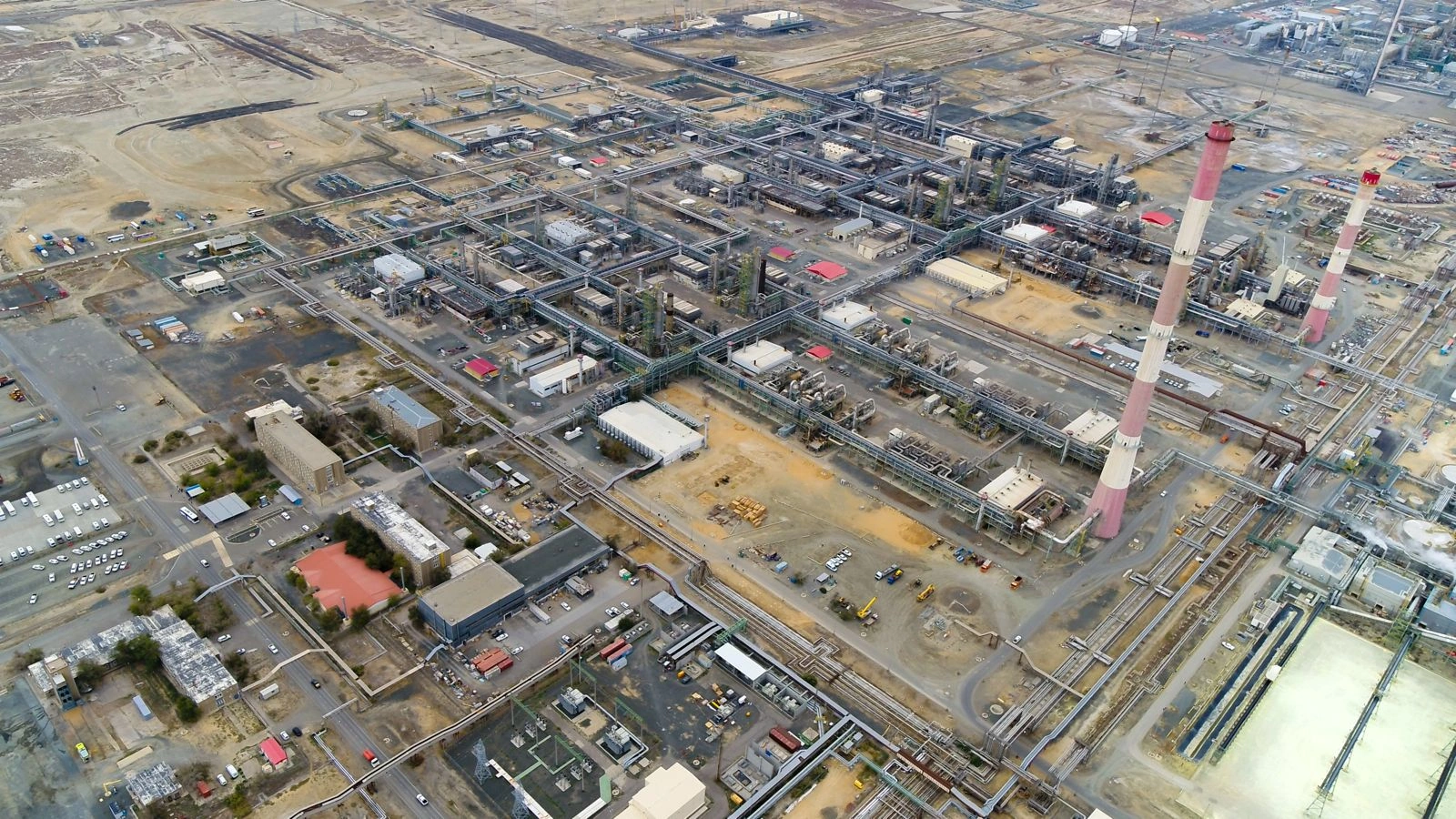
Tengizchevroil operates within a licensed area covering 2,500
square kilometers (approximately 1,600 square miles). The area
includes the supergiant Tengiz field, the smaller but still
substantial Korolev field, and several prospective exploration
blocks.
Tengizchevroil was established on April 6, 1993, as a joint
venture between Kazakhstan and US company Chevron. The current
ownership structure of the partnership is as follows: Chevron -
50%; ExxonMobil - 25%; KazMunayGas - 20%; and LUKOIL - 5%.
Tengiz, one of the world's deepest-producing supergiant oil
fields, was discovered in 1979. Estimated oil in place at the
Tengiz field amounts to 3.1 billion metric tons (approximately 25
billion barrels), while the Korolev field is estimated to contain
200 million metric tons (approximately 1.6 billion barrels) of
oil.
The total recoverable crude oil reserves of the Tengiz and
Korolev fields amount to 1.4 billion metric tons (approximately 11
billion barrels).