BAKU, Azerbaijan, November 2. Turkmenistan is
stepping up efforts to modernize its financial, economic and
banking sectors as part of a broader strategy to diversify the
national economy.
According to a press release issued by the Turkmen government’s
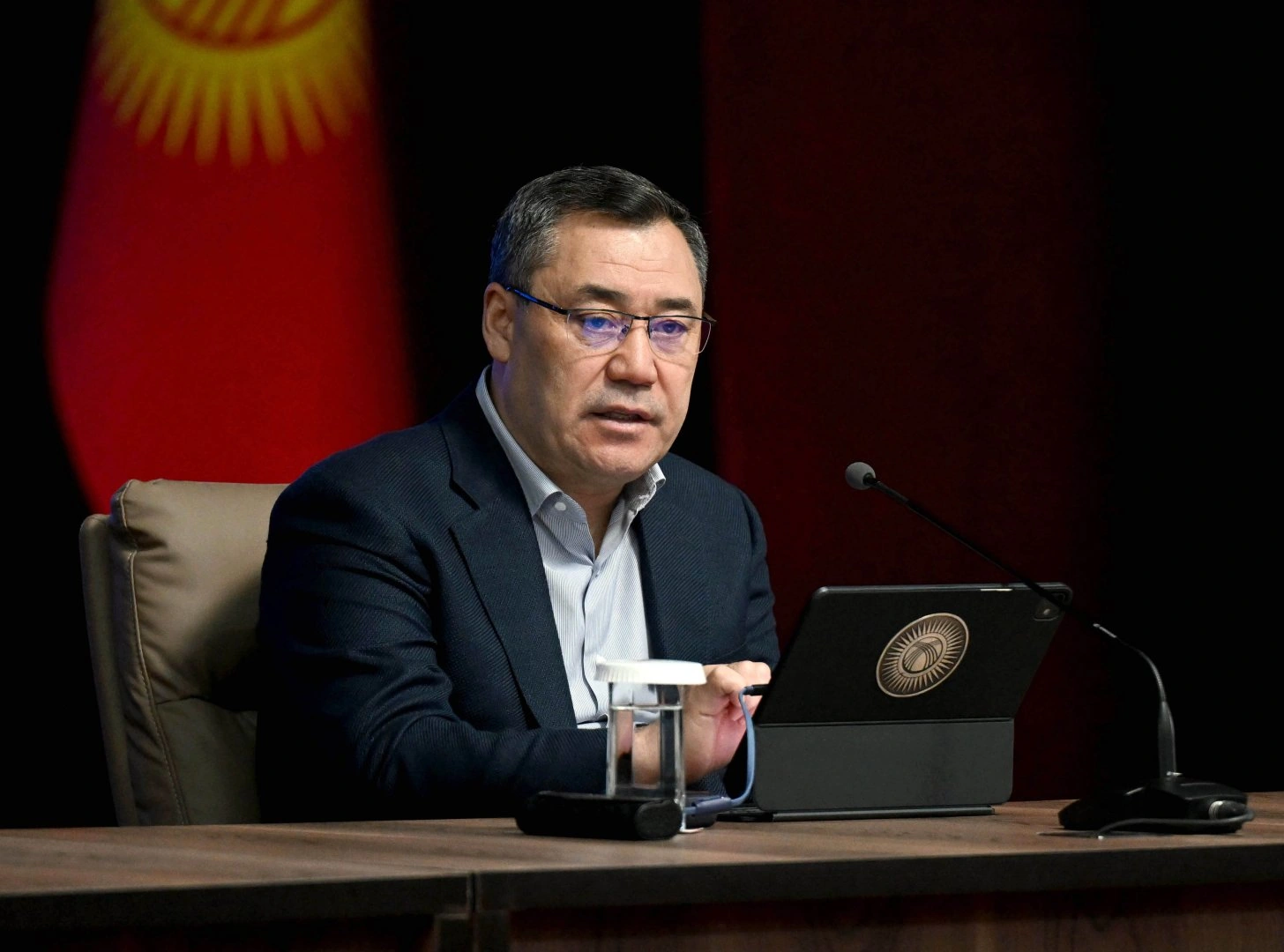
press service, President Serdar Berdimuhamedov has instructed
Deputy Chairman of the Cabinet of Ministers Hojamyrat Geldimyradov
to intensify work in these areas.
Geldimyradov reported on the activities of the country's
financial, economic and banking complex during a government
meeting., the publication notes. The measures cover several areas,
including the development of banking and insurance services, the
introduction of digital services and modern financial technologies,
improvements to economic regulation mechanisms and the relevant
legislative framework, and the modernization of the national
statistics system.
The agenda also includes improvements to labor relations, social
security and social protection, the development of standardization,
and expanded cooperation with international financial institutions.
Investment is being directed towards economic diversification,
industrial development and the establishment of production
facilities based on innovative technologies, the report says.
After hearing the report, President Serdar Berdimuhamedov
highlighted measures aimed at economic growth and improvements to
the budget and tax system.
Notably, Turkmenistan's efforts to modernize its financial and
banking sector are being carried out under the Concept for the
Development of the Digital Economy for 2026-2028. In January 2026,
President Serdar Berdimuhamedov approved proposals to upgrade the
infrastructure of the Central Bank, Turkmenistan State Commercial
Bank and the Turkmenbashy Joint-Stock Commercial Bank. The measures
are aimed at expanding the use of financial technologies and
improving the accessibility and efficiency of banking services for
businesses and the population.
The expansion of digital banking is also reflected in the
growing use of bank cards across the country. Trend previously
reported, based on its calculations using data from the Central
Bank of Turkmenistan, that the number of bank cards registered in
the country's banking system reached 6.7 million in
January-September 2026, up 4.6% year-on-year.
In parallel, data presented by a Central Bank representative at
the Turkmenistan Investment Forum in October showed that cashless
transactions accounted for 47.6% of all transactions in the
country's card payment system as of September 1, compared with
44.3% a year earlier.
Turkmenistan is also seeking to expand cooperation with
international financial institutions. In March 2026, the government
announced preparations for a new cooperation strategy with the
European Bank for Reconstruction and Development for 2026-2030,
intended to support investment in both the public and private
sectors. According to the government, more than 80 projects had
been implemented in the country with EBRD support since 1992. At
the same time, the International Monetary Fund's June 2026
assessment highlighted the need for broader financial-sector
reforms, including stronger monetary policy frameworks, more
market-based credit allocation and improvements to the
exchange-rate system.