BAKU, Azerbaijan, November 2. The Economic
Cooperation Organization (ECO) will begin working with its member
states on short-, medium-, and long-term action plans to implement
its Sustainable and Resilient Transport Strategy for 2026–2035, ECO
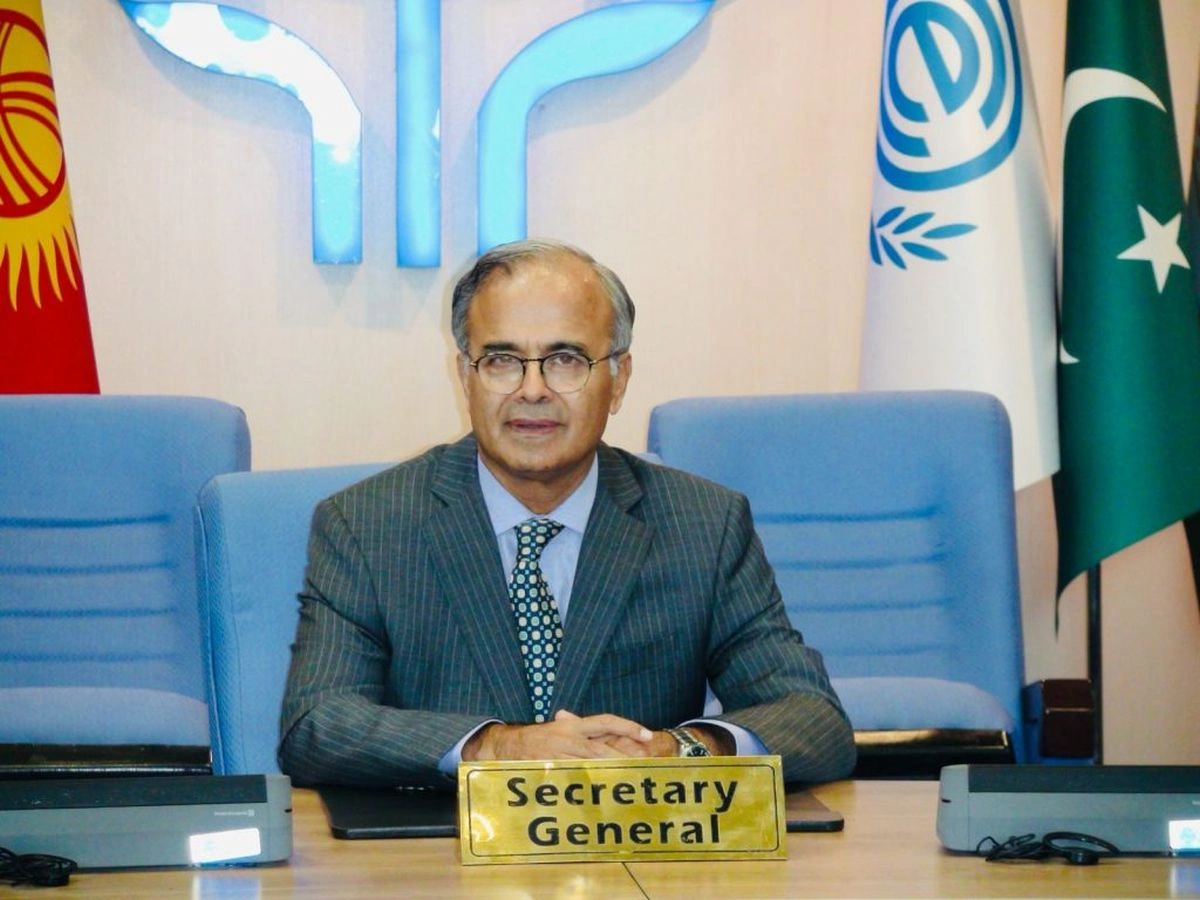
Secretary General Asad Majeed Khan told Trend in an exclusive interview.
"As for the ECO Sustainable and Resilient Transport Strategy
2026–2035, the Strategy envisages a phased implementation process.
The Secretariat will soon engage with Member States in developing
short-term action plans up to 2028, medium-term action plans up to
2031, and long-term action plans up to 2035", he said.
The strategy also includes an indicative list of transport
projects. Member states will determine their priorities,
implementation arrangements and potential financing mechanisms, as
well as consider additional projects for inclusion.
Khan said that the implementation of the strategy and the Astana
Declaration would depend on the availability of feasible projects,
stakeholder engagement and financial resources.
"Line ministries in the Member States should take ownership and
leadership of the activities. The relevant private sector actors in
the ECO Region should also play their key role given the fact that
they are the main beneficiaries of this ecosystem," he said.
The ECO is also preparing to hold its first international
financing conference for transport corridors and projects in 2027.
The event is expected to bring together regional and international
financing institutions, development banks, and relevant United
Nations regional commissions and programmes.
The ECO Secretary General expressed hope that the conference
would help identify reliable financing solutions and mechanisms in
cooperation with member states, potential financiers and
partners.
He also said that the next ECO Ministerial Meeting on Transport
would be held in Ashgabat in November 2027 and would provide an
opportunity to review progress in implementing the Astana
Declaration. Decisions under the declaration are being followed up
through established mechanisms, with some continuing ongoing
initiatives and new decisions and agreements to be pursued through
existing frameworks.
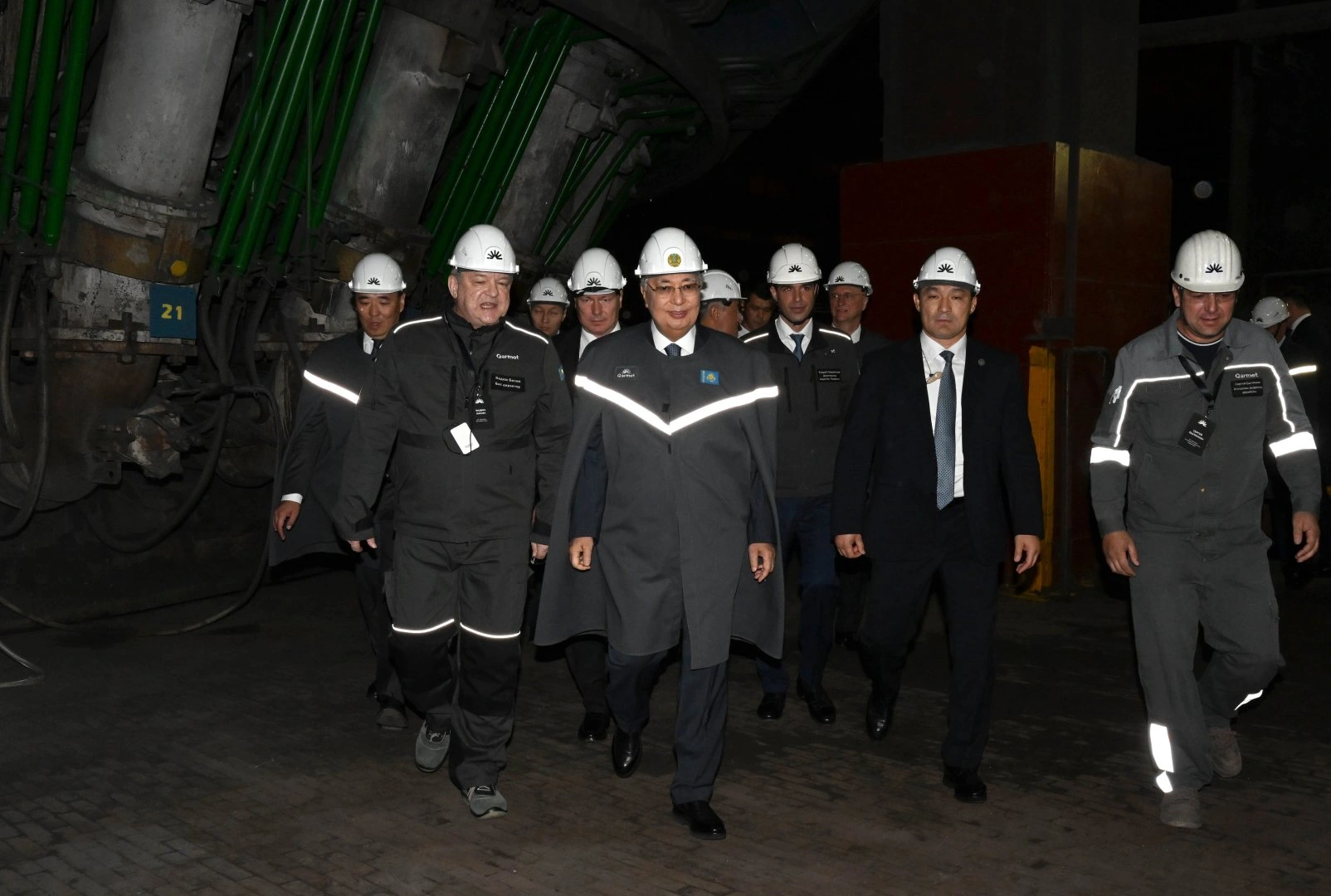
Speaking about regional connectivity, Khan described Kazakhstan
as one of the key ECO countries involved in transport projects and
activities. He said the country had strengthened its position as a
regional transit hub by improving the performance and
interoperability of east-west and north-south corridors.
Particular attention is being given to the Trans-Caspian route
and the eastern route of the International North-South Transport
Corridor (INSTC) through the Kazakhstan-Turkmenistan-Iran corridor,
which is sponsored by the ECO. Kazakhstan is also involved in
developing multimodal links, improving freight movement and
reducing border-crossing delays.
Kazakhstan is also a key transit country along the new ECO
corridor known as KTAP, which connects Kazakhstan with Pakistan
through Turkmenistan and Afghanistan.
"Kazakhstan seems seriously committed to early
operationalization of this corridor and has reportedly shown
readiness to financially contribute to the construction of some
missing links between Turkmenistan and Afghanistan. When
operationalized, the KTAP will add extra capacity to the existing
ECO transit network," Khan said.
He added that Kazakhstan had assisted the ECO in two studies:
one on the KTI Economic Corridor and another on digital
construction and maintenance modelling in railways. The studies are
intended to help assess corridor development and improve
infrastructure planning. Kazakhstan also played a key role in
organizing the first dialogue with the private sector, held
alongside the Ministerial Meeting in Astana and focused on
digitalization and financing solutions.
Khan described Azerbaijan as a strategic transport and transit
hub linking Central Asia, the South Caucasus, Türkiye and European
markets.
"Its geographical position on the western shore of the Caspian
Sea makes the country particularly important for strengthening
east-west as well as north-south connectivity and diversifying
regional trade corridors," Khan said.
He said Azerbaijan's ports, railway infrastructure, roads and
connections with Georgia and Türkiye facilitated the movement of
goods across the Caspian Sea and beyond. Investments in the
Baku-Tbilisi-Kars railway and the Port of Baku at Alat further
strengthened the country's position as a regional logistics center,
connecting Trans-Caspian shipping with rail networks extending
towards Türkiye and Europe.
Azerbaijan also serves as a key transit country along the
western route of the INSTC, which connects Russia with Iran and
facilitates trade and transport between Northern Europe, the South
Caucasus and South Asia, Khan said.
He added that Azerbaijan's contribution to regional connectivity
also included improving transport infrastructure, simplifying
customs procedures, harmonizing transit regulations and promoting
multimodal transport. These measures could reduce transit times and
costs, strengthen supply-chain resilience, and encourage trade and
investment among ECO member states.
On cooperation with Azerbaijan, Khan said the ECO framework
covered the development of transport links, trade facilitation and
transit connectivity.
"Key priorities include developing transport corridors,
improving road and railway networks, simplifying customs
procedures, and coordinating cross-border transport policies.
Azerbaijan's strategic location between Central Asia, the South
Caucasus, and Europe makes it an important country for regional and
international freight," he said.
He said cooperation also focused on harmonizing transit
regulations, improving border-crossing efficiency and promoting
multimodal transport. These efforts are pursued through the
ECO-UNECE Coordination Committee on the Trans-Caspian and
Almaty-Tehran-Istanbul Corridors.
The committee has adopted its 2027–2028 Work Plan and the
Istanbul Strategic Framework, which establish priorities for
further cooperation on the development of the corridors. Khan said
these priorities were in line with Azerbaijan's objectives to
strengthen its role in regional and global connectivity.
Digitalization is another area of regional cooperation,
according to the ECO secretary general. He said all member states
had their own digital agendas, including in the transport sector,
and agreed on the need to digitalize transport and transit
procedures in their regional interactions.
Among the ongoing initiatives, Khan cited the ECO-IRU two-year
action plan for 2026–2027, which sets out joint measures to advance
digitalization in the transport sector, particularly at
border-crossing points. He also mentioned the proposed
establishment of the ECO Digital Transport and Customs Center, an
initiative put forward by Uzbekistan.
Khan said that improving the interoperability of transport
systems across the region was also among the ECO's priorities. The
14th Ministerial Meeting had reinforced this agenda, with the
relevant mandate reflected in the ECO Strategy for 2035 and the
Astana Declaration.
"Strengthening cross-border interoperability to facilitate
seamless movement of goods and passengers is among the strategic
objectives enumerated in the ECO Strategy 2035," he said.
Under the strategy, member states are expected to promote the
expansion of interoperable single-window and corridor-management
solutions across routes and move towards paperless transit
operations based on mutually recognized electronic documents.
Regarding the planned financing conference, Khan said the
decision to organize the event had been made at the 13th ECO
Transport Ministerial Meeting in Tehran in June 2025, which tasked
the ECO Secretariat and the ECO Trade and Development Bank with its
preparation. The two institutions have since been working together
on the arrangements, while the Astana Declaration reiterated the
conference's importance for the region.
The venue has not yet been determined, and the event is
tentatively planned for 2027. Consultations with member states and
partners are ongoing to finalize the date and location. The ECO
expects active participation from multilateral development banks,
international financial institutions and development partners.
ECO was founded in 1985 by Iran, Pakistan and Türkiye
to promote economic, technical and cultural cooperation among its
member states. It is the successor organization to Regional
Cooperation for Development (RCD), which operated from 1964 to
1979. The Treaty of Izmir, originally signed in 1977, serves as the
organization's founding document.
On November 28, 1992, seven countries - Afghanistan,
Azerbaijan, Kazakhstan, Kyrgyzstan, Tajikistan, Turkmenistan, and
Uzbekistan - joined the organization. ECO currently has 10 member
states.
The 14th Meeting of Transport Ministers of ECO Member States,
held in Astana on October 15, 2026, resulted in the adoption of the
ECO Sustainable and Resilient Transport Strategy 2026-2035 and the
Astana Declaration.