BAKU, Azerbaijan, October 28. Norwegian energy
company Equinor has opened a new marine robotics test center
designed to support the development, testing and qualification of
technologies for offshore operations, the company said on October
28.
The Kårstø Marine Robotics Center (KNARR), inaugurated on
October 28, is located at the Kårstø processing plant in Tysvær,
Norway. It is among the first facilities of its kind globally to be
connected to an operating industrial site, enabling marine robotic
technologies to be tested under real operational conditions.
The center is intended to serve a broad range of maritime
industries, supporting the development of technologies for
infrastructure inspection, autonomous operations, environmental
monitoring, security and offshore maintenance.
“KNARR will enable the development and testing of new
technologies in an operational environment,” the company said.
The facility complements existing test centers focused on the
early stages of technology development. It includes three
designated testing areas at water depths of 25 metres, 140 metres
and 250 metres, allowing technologies to be assessed under
different subsea conditions.
Equinor expects the wider adoption of underwater robots and
autonomous vessels to generate annual cost savings of several
hundred million Norwegian kroner in the coming years.
Marine robotics is expected to play an increasingly important
role in inspecting, monitoring and maintaining offshore
infrastructure. These technologies can reduce personnel exposure to
hazardous conditions, improve operational performance and provide
better data for decision-making.
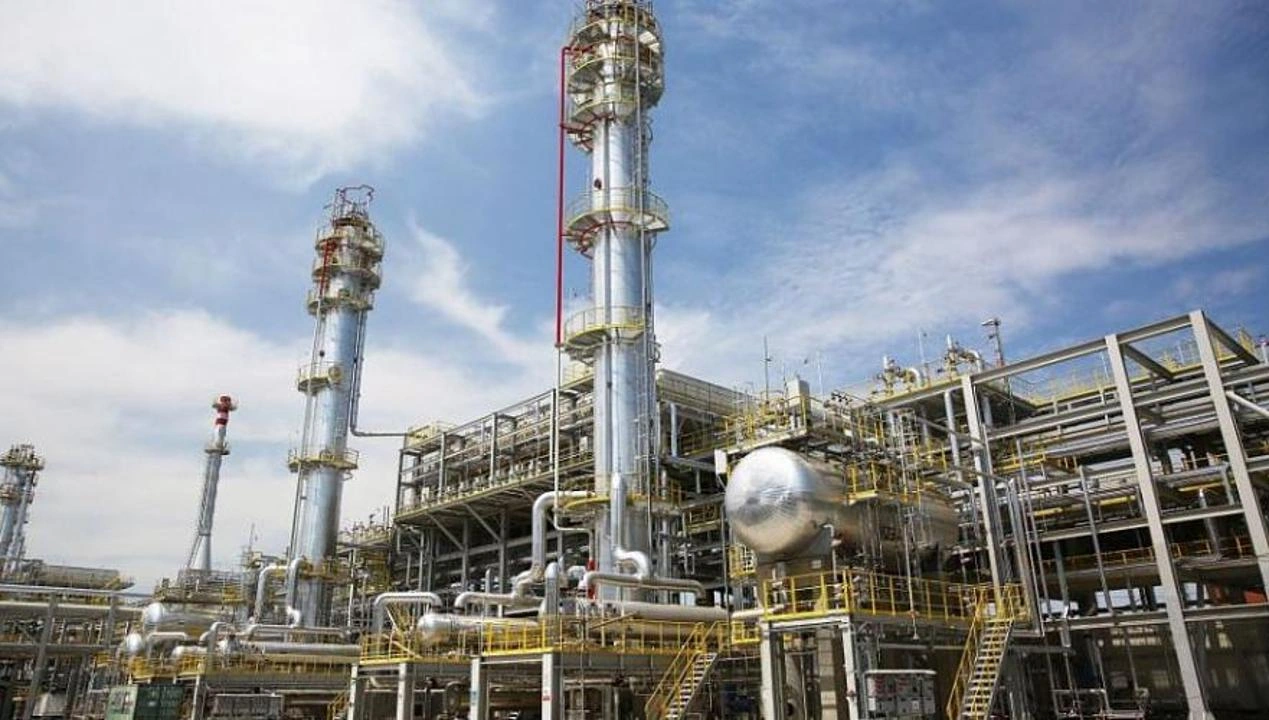
The Kårstø processing plant in Nord-Rogaland is the largest of
its kind in Europe. The plant plays a key role in the transport and
processing of gas, condensates and light oil from major sites on
the Norwegian continental shelf. The latest developments at Kårstø
have brought a large increase in its capacity to receive and
process around 98 million standard cubic metres of rich gas, and
addition, the plant also receives condensate/light oil via a
separate pipeline.