BAKU, Azerbaijan, October 27. Azerbaijan’s
education system must be aligned with the changing needs of the
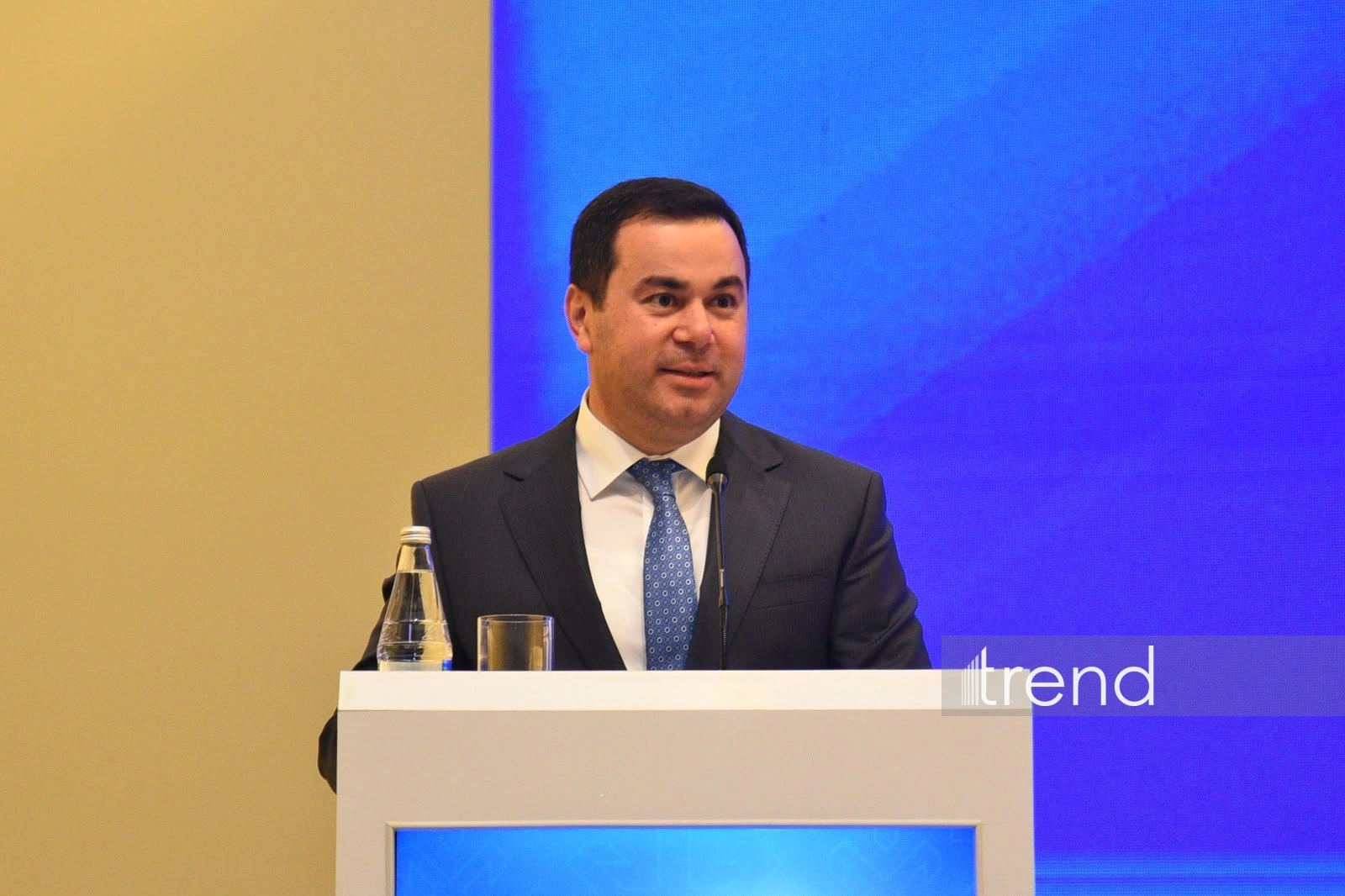
labor market and economy, Deputy Minister of Science and Education
Hasan Hasanli said at the opening ceremony of the IE Leadership and
Innovation Center in Baku on Tuesday, Trend's correspondent reports from the
event.
According to him, efforts to train specialists with modern
skills and expand cooperation with the private sector remain key
priorities.
He said the rapid growth in the volume of information in the age
of artificial intelligence (AI) is creating new challenges for the
education system. Under these conditions, education needs both
traditional approaches that support long-term development and
flexible models that respond quickly to the changing needs of the
economy and industry.
“There is a difference between an approach that involves waiting
10–15 years to produce better graduates and the fast, flexible
approach required by industry, companies and the economy. Under
current conditions, it is important to reconcile these two
approaches,” the deputy minister said.
Hasanli noted that Azerbaijan has been implementing a series of
measures since 2013 under the education development strategy
approved by President Ilham Aliyev. According to him, the program
has helped improve the quality and accessibility of education.
The deputy minister also referred to the results of
international assessments, noting that Azerbaijan has made progress
in education in recent years, particularly in subjects such as
mathematics, which are important for various industries. He said
the country’s performance in this area had approached the average
levels of the Organisation for Economic Co-operation and
Development (OECD).
He stressed that sustained government efforts are helping
develop a pool of talented young people whose potential can be
further nurtured. To realize this potential, it is important to
systematically develop their knowledge and skills and prepare them
to become future leaders, managers and professionals.
Hasanli also highlighted changes in the higher education system.
He said initiatives such as the Baku Higher Oil School, the
French-Azerbaijani University (UFAZ), the Azerbaijan-Türkiye
University and dual-degree programs play an important role in
training highly qualified professionals.
According to the deputy minister, aligning education with labor
market needs is impossible without close cooperation with the
private sector. In this regard, partnerships with PASHA Holding,
SOCAR, and other companies are particularly important.
“One of the main challenges is addressing the mismatch between
labor market needs and the education system. Cooperation with the
private sector makes it possible to identify these needs more
accurately and acquire the relevant knowledge. The AI Hub platform
was also established to ensure the continuity of this cooperation,”
he said.
Hasanli added that a meeting of the steering committee had
discussed initial projects being implemented jointly with IE
University and the Ministry of Economy, the work of the observatory
and other initiatives.
He said the main goal of the cooperation was to connect the
potential developed through education with the real needs of the
economy, accelerate the training of specialists equipped with
modern technologies and expand the country’s innovation
capacity.