BAKU, Azerbaijan, October 27. Turkmenistan has
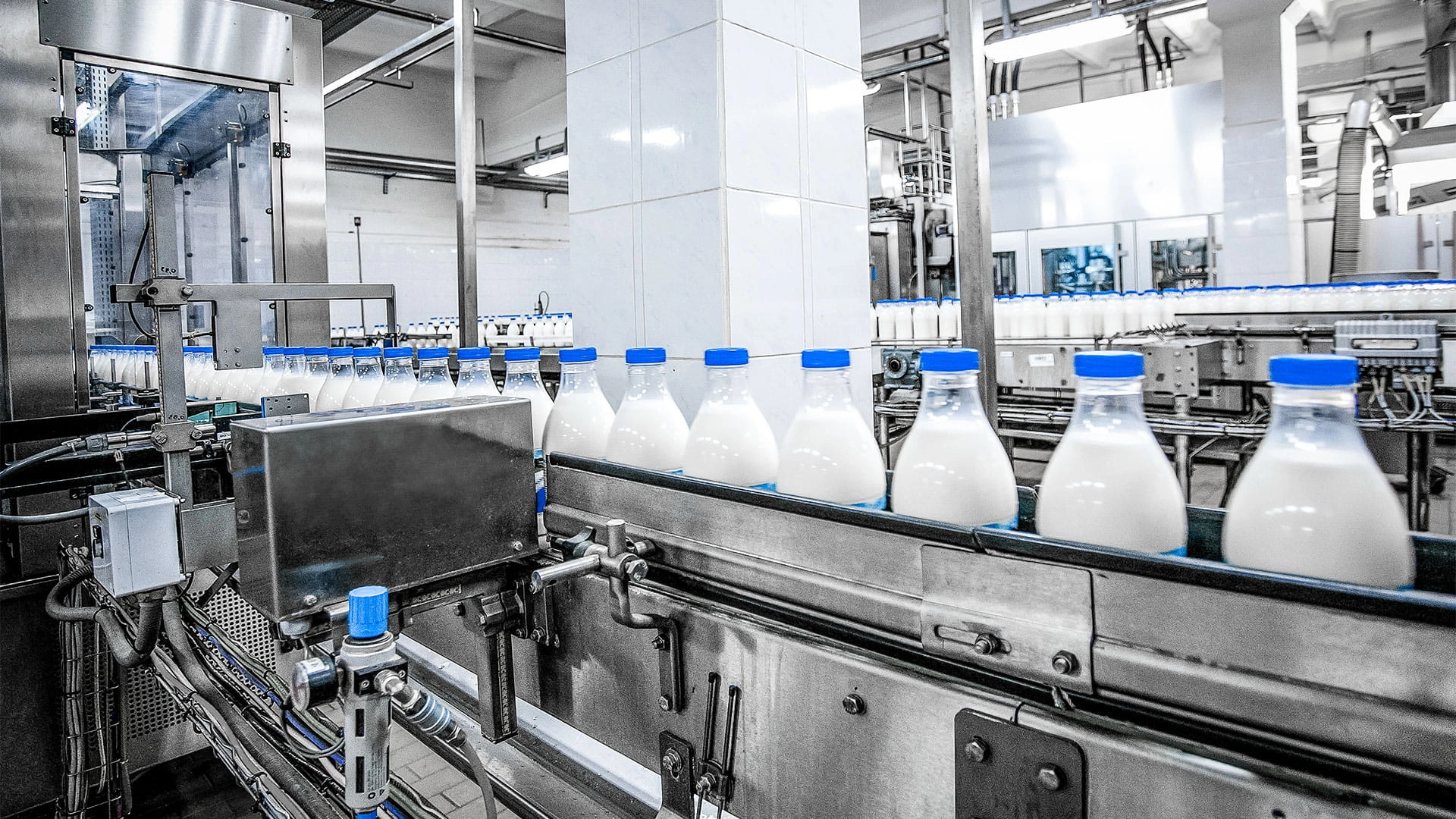
opened a new milk processing plant in its Mary region, designed to
process 50,000 tons of milk annually.
This was reflected in a press release published yesterday by the
press service of the Turkmen government.
According to the publication, the plant was built on the
territory of the Täze Oba farming association. An individual
entrepreneur, Guwançmyrat Orazow, was allocated 3.5 hectares of
land for the project.
“The domestic business entity “Täze Aý Önümleri” served as the
general contractor for the construction and installation work,
while a Turkish company supplied high-quality specialized steel
structures and materials,” the report added.
The facility is equipped with production lines designed to
expand the range of dairy products, including fermented milk
products, improve processing efficiency and extend product shelf
life while preserving nutritional properties.
The plant also includes specialized production workshops and
laboratory facilities to monitor product quality at each stage of
processing. Its launch is expected to increase domestic supplies of
locally produced dairy products and create jobs in the region, the
publication noted.
Meanwhile, private businesses play an increasing role in
Turkmenistan’s agricultural sector, particularly in horticulture,
livestock farming and food processing. According to the World
Bank’s December 2024 economic report, private farmers produce most
of the country’s fruits and vegetables, while cotton and grain
production remain under state control. The country is seeking to
expand private-sector participation in agriculture through
preferential lending, access to land and investment in production
infrastructure.
Under rules approved in 2026, agricultural producers can obtain
loans at an annual interest rate of 1%, with repayment periods of
up to 10 years. Eligible borrowers include private entrepreneurs,
farms, agricultural joint-stock companies and land users. The
financing covers agricultural machinery, water-saving and
irrigation equipment, livestock and poultry farming, and projects
involving the production and processing of agricultural goods.
Borrowers are generally required to contribute at least 15% of a
project's cost from their own funds.
Private farms and agricultural companies also receive land for
cultivation through the Special Land Fund, a mechanism intended to
broaden the involvement of non-state producers and improve the use
of land and water resources. The government has identified food
security and the modernisation of agriculture and food processing
as policy priorities, while private businesses are active in areas
including greenhouse farming, livestock, poultry and food
production.
However, the sector continues to face structural challenges: the
World Bank identifies water scarcity and deteriorating soil quality
among the constraints on its development.