BAKU, Azerbaijan, October 26. Artificial
intelligence can be an effective tool for strengthening
intercultural understanding. However, ethical principles, universal
values, and the human factor must be taken into account in its
development, the Director of the United Nations Alliance of
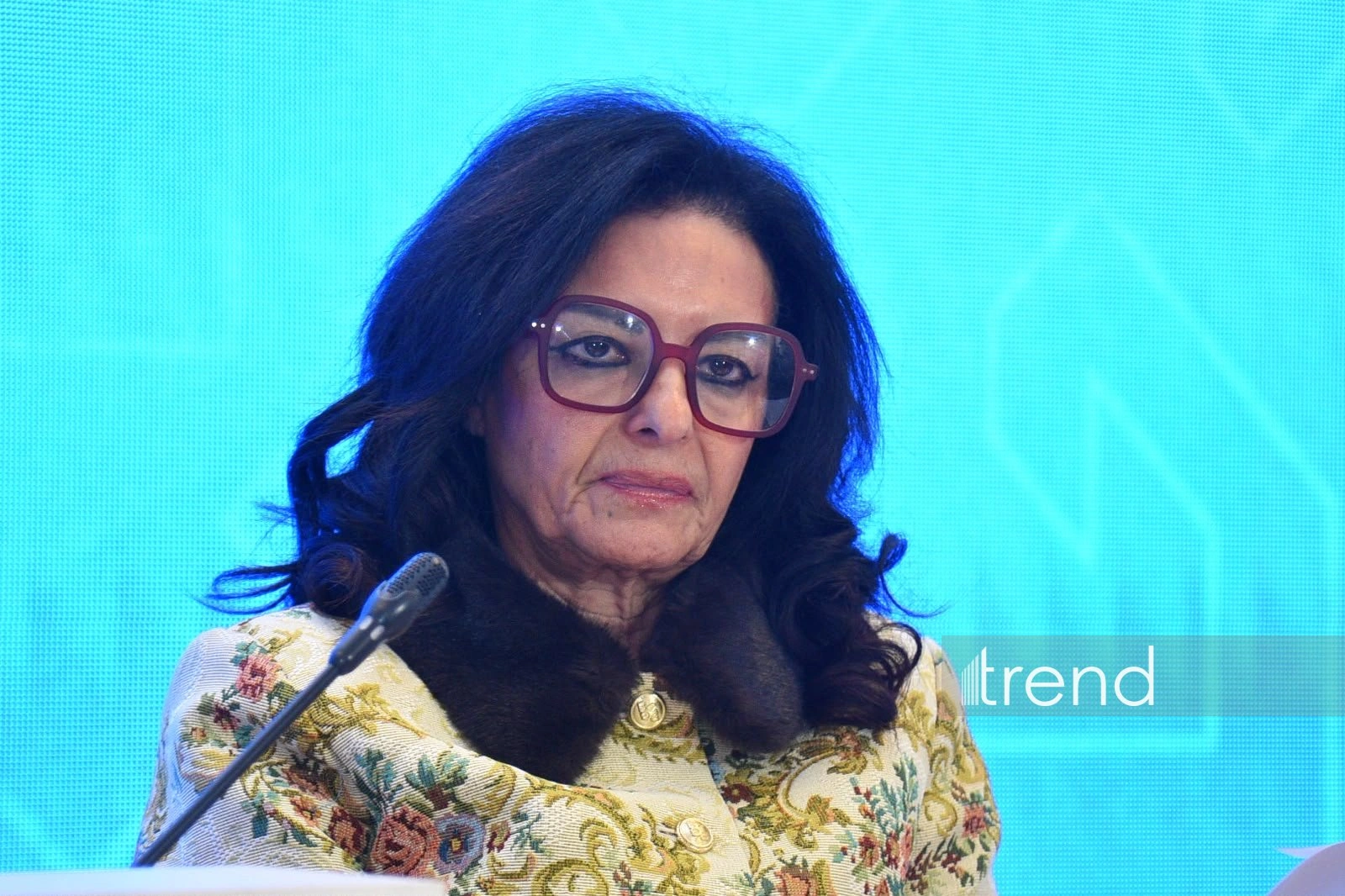
Civilizations (UNAOC), Nihal Saad said, Trend's correspondent reports.
Saad Made the remark at a press conference dedicated to the 7th
World Forum on Intercultural Dialogue, which will take place
October 27–29.
She noted that most governments and countries are not fully
prepared for the challenges posed by artificial intelligence. The
rapid development of technology and its potential consequences are
among the issues of concern to governments and societies.
According to Nihal Saad, artificial intelligence can help
strengthen mutual respect and cultural diversity by raising
awareness of different cultures and experiences. At the same time,
this technology becomes a threat when used to spread
misinformation.
“Spreading false information about others can instill fear. In
such cases, AI can have a negative impact on diversity and mutual
respect. Therefore, when developing new programs and products in
this field, ethical principles and universal human values must
serve as the foundation, and the human factor must remain the
focus,” she emphasized.
Answering questions from journalists, the director of the United
Nations Alliance of Civilizations (UNAOC) also spoke about the
importance of dialogue for peaceful coexistence. She noted that
dialogue is not an end in itself, but rather an ongoing process and
a way of life.
“We see numerous challenges, ongoing conflicts, and wars around
the world. It is impossible to address them through dialogue alone.
This also requires diplomacy, peace agreements, and international
treaties,” Nihal Saad stated.
She added that dialogue helps societies communicate with one
another and live side by side in peace. From this perspective,
dialogue is crucial both after conflicts have ended and for
preventing them.
Saad noted that the World Forum on Intercultural Dialogue is one
of the most important global platforms for achieving these
goals.
“We are proud to continue our close partnership with Azerbaijan
in this area. As part of the 7th Forum, we are implementing
initiatives in three main areas. The first of these is the
organization of a plenary session on the topic ‘Interfaith
Dialogue: A Roadmap to a Shared Future.’ The session will be
attended by representatives of various religions, as well as
experts on interfaith and intercultural dialogue,” she
emphasized.
According to her, the discussions will focus primarily on the
contribution that religious communities can make to peacemaking,
reconciliation, and social cohesion, as well as on efforts to
combat religious intolerance.
In addition, Saad added that one of the key innovations of this
year’s forum will be a special focus on youth participation.
“We have invited more than 60 young people to Baku who have
participated in the UN Alliance of Civilizations’ mentoring and
training programs over the years. Here, they will share their
experiences and talk about how these programs have influenced their
personal and professional development,” she said.
Saad emphasized that, although the official opening of the forum
will take place on October 27, some events are already getting
underway. According to him, these initiatives are aimed at
expanding youth participation in intercultural dialogue and
strengthening international cooperation.