BAKU, Azerbaijan, October 26. The visit to Iran
by the head of Türkiye’s National Intelligence Organization, the
Saudi Arabian Minister of Defense, and the Commander of the
Pakistan Army could mark the beginning of efforts to establish
intra-regional security.
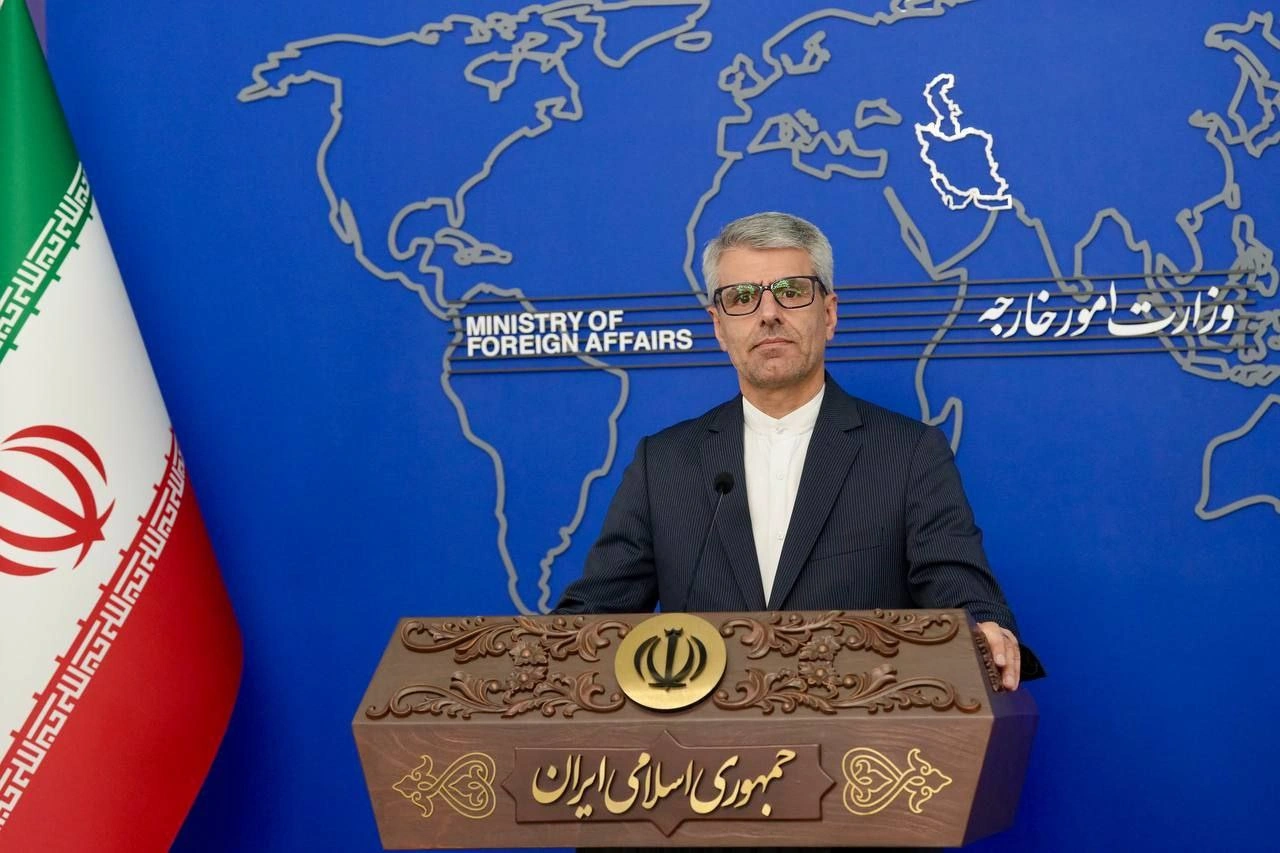
According to the Iranian Ministry of Foreign Affairs, this was
stated by the spokesperson for the Iranian Ministry of Foreign
Affairs (MFA) Esmaeil Baghaei at a press conference held on Monday
(October 26) in Tehran.
“The initiative for a visit by officials from the three
countries to Tehran was first proposed during a visit to Tehran by
Pakistan’s Army Chief of Staff, Field Marshal Asim Munir. Iran
supported this initiative, and the first meeting will take place
today,” he noted.
Baghaei stated that Iran considers it important for countries in
the region to consider mechanisms for regional security based on
their own interests.
According to Baghaei, holding this meeting could mark the
beginning of establishing security in the region. Iran has been
insisting on this issue for several decades and wants regional
security to be implemented in a manner determined by the countries
of the region.
“The events of the past two years, particularly over the last
eight months, can help ensure security by strengthening cooperation
and trust among the countries of the region. Officials from the
three countries will meet with the President of Iran and a
representative of Iran’s Guardian Council. Discussions on a number
of issues will take place during the meetings. In particular, there
will be an exchange of views on the most important topics — the
situations in Palestine and Lebanon,” he said.
The latest round of tensions in relations between the U.S. and
Iran began on July 8. On that day, the U.S. military launched a
series of strikes against Iranian territory for the first time
since the signing of the memorandum between Washington and Tehran,
stating that this was a response to an attack on a merchant ship in
the Strait of Hormuz. On the same day, U.S. President Donald Trump
announced the end of the ceasefire with Iran. In response, Tehran
began striking U.S. facilities located in Bahrain, Jordan, Qatar,
Kuwait, the UAE, and Oman. As a result of the conflict, maritime
trade in the Strait of Hormuz came to a standstill.