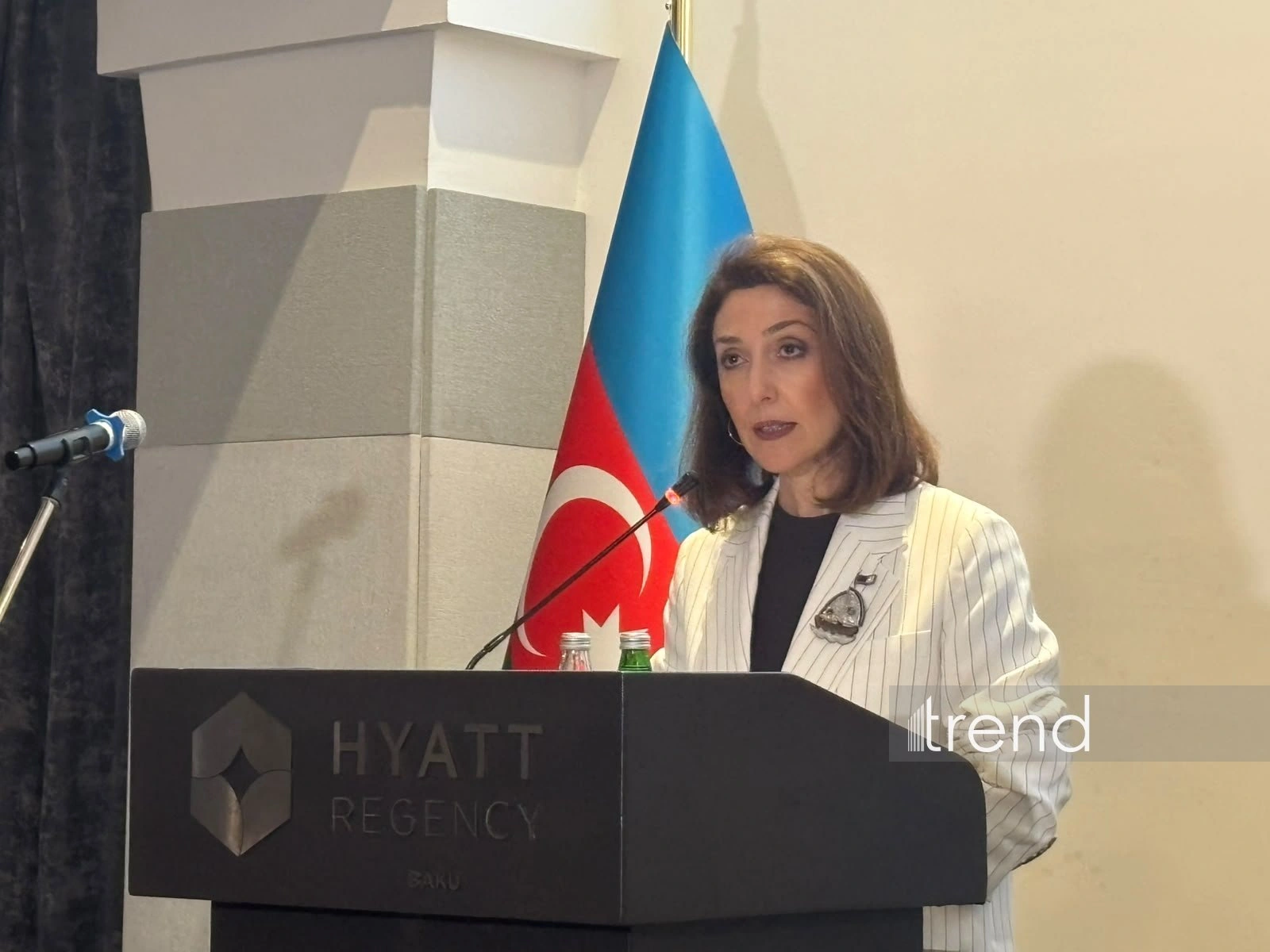
BAKU, Azerbaijan, October 21. Azerbaijan will
continue its efforts to determine the fate of missing persons,
disclose information about mass graves and strengthen international
cooperation in this regard.
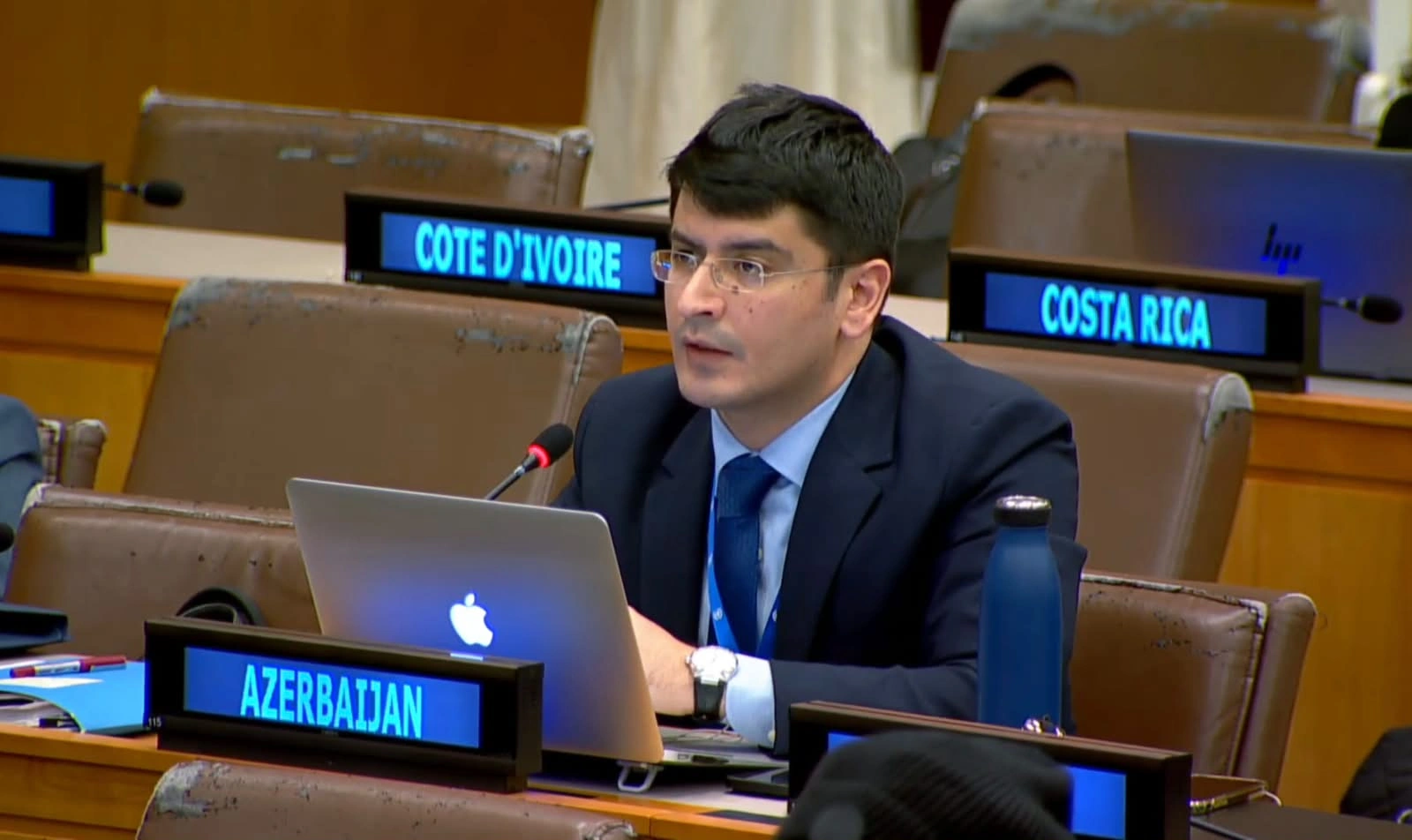
This was stated by Shahriyar Hajiyev, First Secretary of the
Permanent Mission of Azerbaijan to the United Nations, during an
interactive dialogue with the Chair of the Committee on Enforced
Disappearances at the Third Committee of the 81st session of the UN
General Assembly.
“Enforced disappearance undermines the deepest values of any
society committed to human rights and fundamental freedoms. This
phenomenon, including the identification of the fate and
whereabouts of missing persons, necessitates strict adherence to
the obligations set out in international humanitarian and human
rights law.
Upholding respective obligations and effective international
cooperation is of utmost importance to properly address and
alleviate the suffering of victims, their families and societies at
large.
The issue of missing persons is one of the grave concerns of
armed conflicts and should be viewed as a global challenge
affecting human lives in various regions across the globe. In this
regard, the fate of missing persons remains one of the most
critical priorities for Azerbaijan in the post- conflict period.
Over 4000 persons are registered as missing in relation to the
former conflict, including 288 women, 71 children and 319 older
persons.
Search efforts have intensified following the liberation of the
occupied territories. To date, the remains of 913 individuals have
been found, and 328 of them have been identified through DNA
testing and forensic methods. Of those identified, 273 have been
handed over to their families, enabling them to perform the burial
rites.
In the meantime, since the end of the conflict, 32 mass graves
containing the remains of 253 individuals have been discovered.
These graves provide further evidence of the wilful killing of
civilians and other persons protected under international
humanitarian law.
Providing all necessary information on burial sites, in
particular mass graves, opening of archives and collection of
witness statements are among the measures to be implemented for
realisation of the right to know for missing persons' families.
Transmitting all relevant information concerning missing persons,
beyond being a legal obligation and a humanitarian responsibility,
would serve as a practical demonstration of a commitment to peace
and contribute to strengthening mutual trust.
As part of its international efforts, Azerbaijan regularly
initiates resolutions on missing persons in the General Assembly.
In addition, the annually organized international conference -
“Baku Dialogue on Missing Persons", aims to address this
humanitarian concern through strengthened international
cooperation. The 4th conference was held from 7 to 10 October 2026
under the theme "Strengthening Trust and Developing Effective
Mechanisms for Addressing the Issue of Missing Persons."
The United Nations and other relevant international
organisations should, within the scope of their respective
mandates, play a more active role in conducting searches,
facilitating the exchange of information, developing forensic
expertise and increasing support for affected families.
To conclude, Azerbaijan will continue to mobilise all its
resources to shed light on the fate of persons whose whereabouts
remain unknown,” Shahriyar Hajiyev stated.