BAKU, Azerbaijan, October 16. Kazakhstan is
focusing on adapting the implementation of the Sustainable
Development Goals (SDGs) to regional priorities.
This was reported by the press service of the Kazakh government
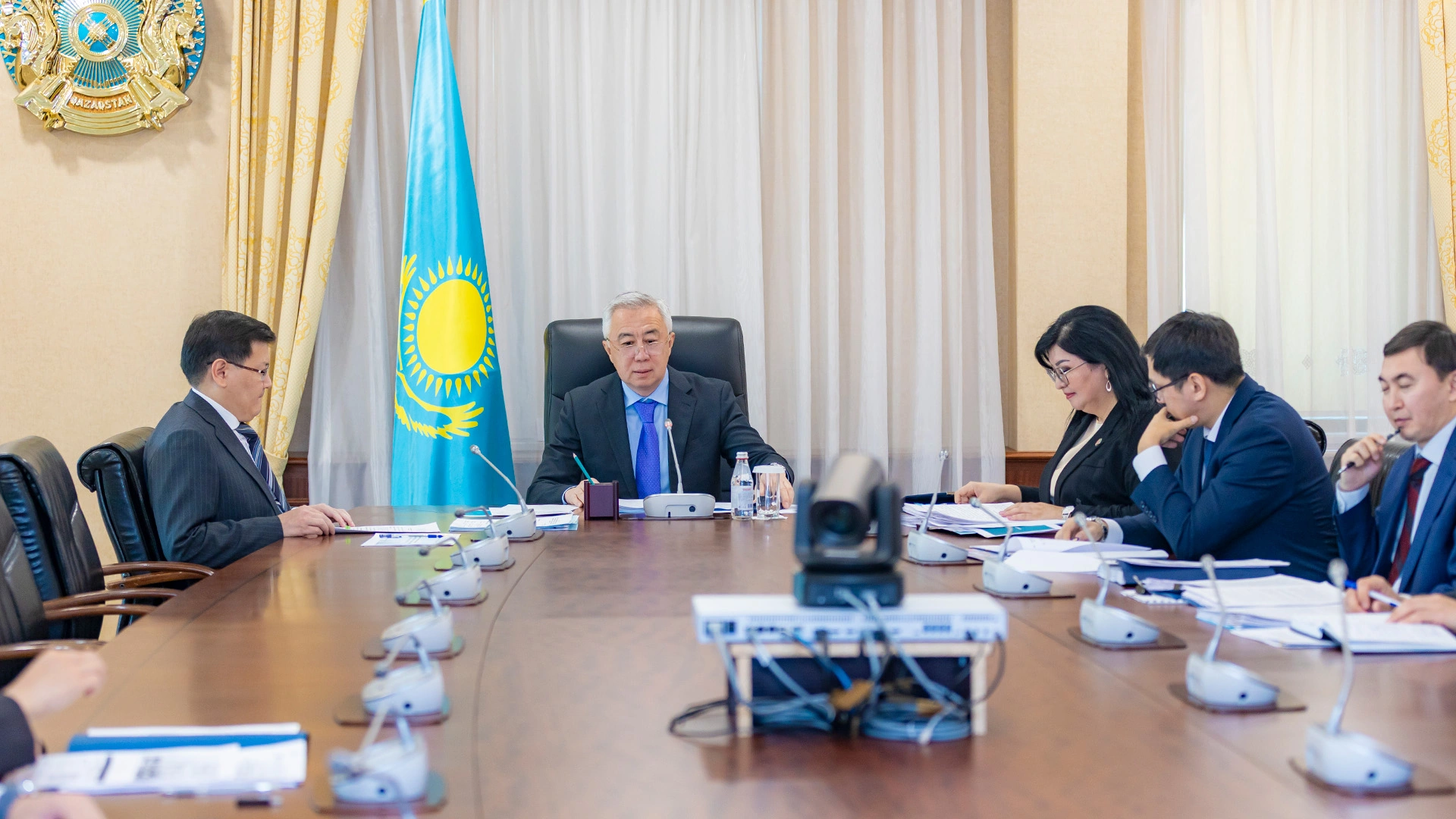
following the 11th meeting of the SDG Coordination Council. The
meeting was held under the chairmanship of Deputy Prime Minister
and Minister of National Economy Serik Zhumangarin. It was attended
by representatives of the United Nations (UN), heads of central
government bodies and regional akims (governors).
Zhumangarin noted that Kazakhstan demonstrates a strong
commitment to the global sustainable development agenda, having
established itself as a leader in Central Asia and strengthened its
position in the international community.
"As President Kassym-Jomart Tokayev has repeatedly emphasized,
the implementation of the SDGs is directly linked to our national
priorities. Speaking at the 80th session of the UN General
Assembly, the President stressed that Kazakhstan has integrated
sustainable development objectives into state planning and budget
formulation. In achieving these goals, we attach particular
importance to strengthening cooperation with international
organizations," Zhumangarin said.
UN Resident Coordinator in Kazakhstan Sarangoo Radnaaragchaa
highlighted the importance of preparing an annual national report
on the SDGs, aligning budget planning with sustainable development
objectives and strengthening regional cooperation. She also
emphasized cooperation between Kazakhstan and the UN on climate
change and water resource management.
United Nations Development Programme (UNDP) Resident
Representative in Kazakhstan Katarzyna Wawiernia highlighted
Kazakhstan's progress in integrating the SDGs into its state
planning system. She identified the next step as adapting national
priorities to the specific needs of each region, developing local
self-government and strengthening regional economic potential.
A three-year initiative to support local self-government reform
has been launched with the support of the European Union. The
project will be implemented jointly with the Ministry of National
Economy and local executive authorities in five regions: Abai,
Zhetysu, Turkistan, Mangystau and Kostanay.
The initiative aims to stimulate local economies, strengthen
regional capacity, expand employment opportunities and increase
household incomes.
During the meeting, participants reviewed interim progress
indicators for the SDGs and discussed further implementation
priorities.
Participants also reviewed the indicator measuring the
proportion of the population covered by social protection systems.
According to the government, the number of families receiving
social assistance stood at 54,400 at the end of 2025, compared with
41,300 currently.
In Kyzylorda region, 99.3% of schools have established
conditions for inclusive education. The government also reported
that issues related to schools operating in three shifts and
emergency school buildings have been fully resolved in the
region.
In Zhetysu region, 110 settlements are now connected to the gas
supply network, compared with five in 2022. The gasification
programme covers settlements extending from Kerbulak district to
the suburban area of Taldykorgan.
The region's gasification rate has reached 67.2%, providing
access to gas for 467,000 people. A further 16 settlements are
scheduled to be connected to the gas supply network this year,
which is expected to raise the regional gasification rate to
72%.
One of the priorities going forward is to establish a
comprehensive national system for regular monitoring and evaluation
of SDG implementation. Work to adapt SDG indicators to regional and
local conditions will continue.